
Last updated November 23, 2026
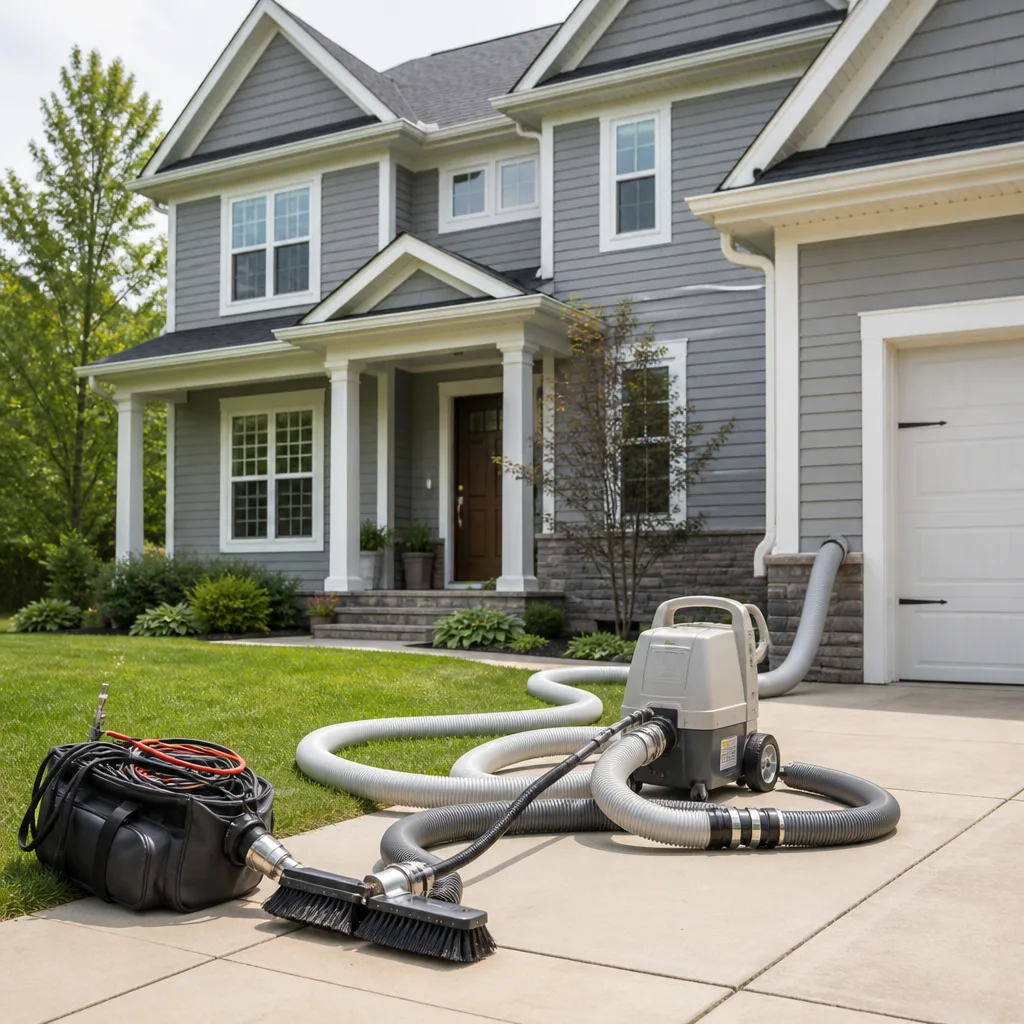 Whole-home duct cleaning
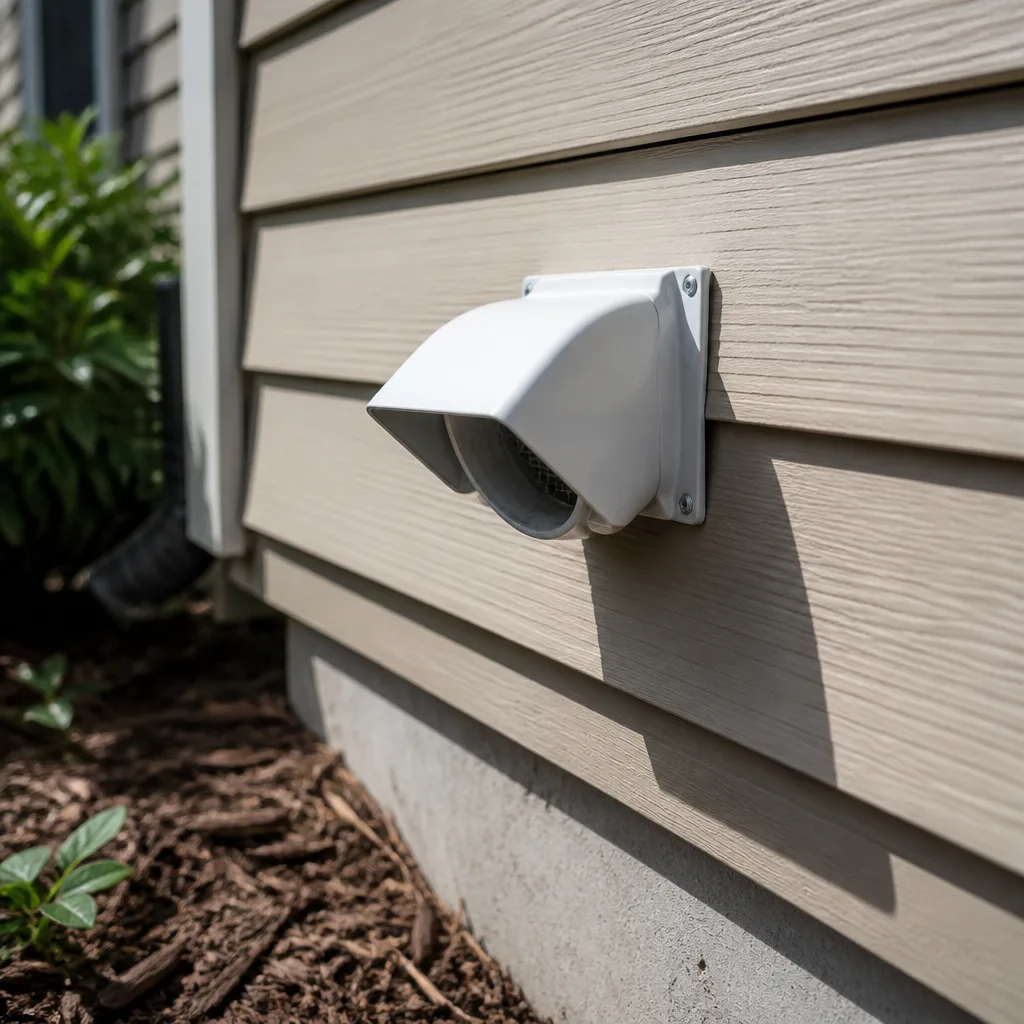 Dryer vent cleaning
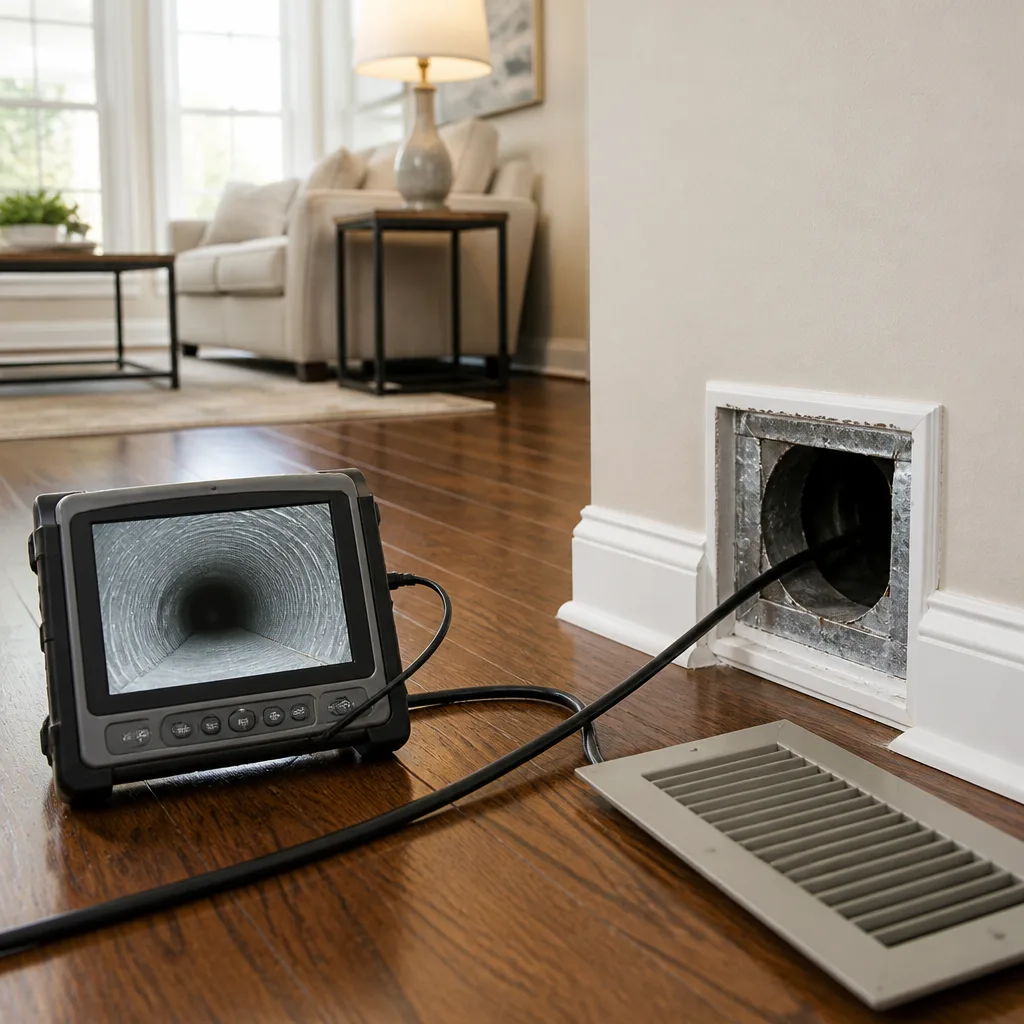 Camera inspection
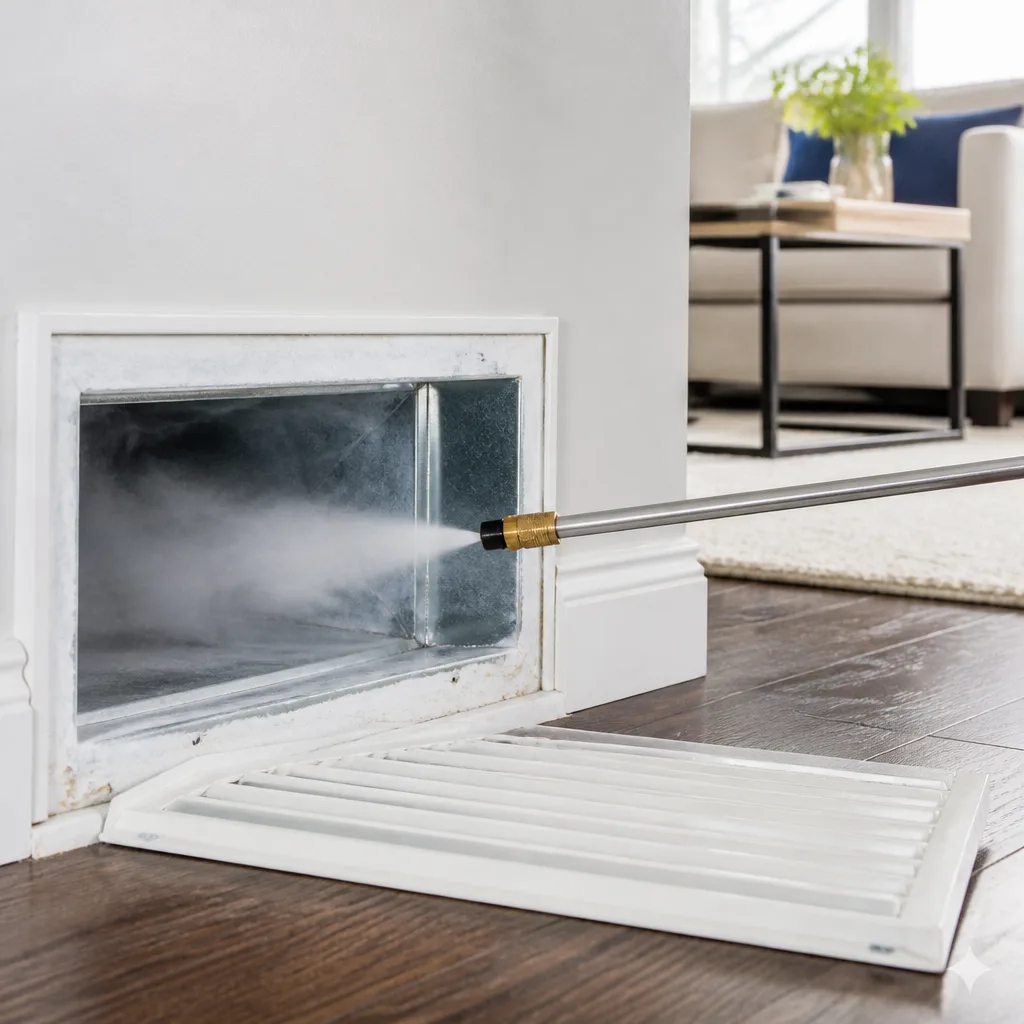 Sanitizing & deodorizing
Whole-system duct and dryer vent check with before-and-after photos - you see exactly what came out of your vents
That "$99 whole-house special" is a bait ad - the real number appears once they are in your hallway, or the "clean" is a shop-vac at the register. We photograph the inside of your ducts before and after instead.
Air Duct Cleaning Maintenance Schedule: What to Do and When
The “clean your ducts every three to five years” rule that floats around the internet isn’t really a rule at all. The EPA’s guidance on duct cleaning doesn’t set a mandatory interval. It says there’s no evidence that routine cleaning of a functioning system improves health on its own, and that the decision should rest on your specific conditions. The 3-to-5-year number is a marketing convention that got repeated until everyone believed it. Which matters, because a blanket interval pushes some Highland Creek homeowners to overpay for cleanings they don’t need while leaving others under-maintained until the air in their home is visibly working against them. This guide builds a real schedule around the variables that drive contamination: household size, pets, renovation history, home age, and Highland Creek’s humid summers.
Quick Answer
There is no single correct interval for air duct cleaning. A typical home needs a professional cleaning every four to seven years, households with pets, allergies, or recent renovation work need one every two to three years, and every home should have its filters checked monthly, changed on their condition, and a visual duct inspection done once a year. Your own history, documented over time, is the only schedule that predicts what your ductwork actually needs.
Styles & brands we work with
- Whole-home duct cleaning
- Dryer vent cleaning
- Camera inspection
- Sanitizing & deodorizing
Table of Contents
- Why the 3-to-5-Year Rule Doesn’t Hold Up
- The Tiered Maintenance Calendar
- What You Can Check Yourself and What You Can’t
- Using Filter Condition as a Contamination Proxy
- Post-Event Triggers That Override Any Calendar
- Highland Creek Humidity and What It Does to Ductwork
- How to Document Cleaning Dates and Findings
- Common Mistakes to Avoid
Why the 3-to-5-Year Rule Doesn’t Hold Up
It’s worth being blunt about where that number comes from. No research institution, public health body, or building science group produced it as a standard. It’s repeated so often it feels authoritative, but it doesn’t account for the fact that two homes on the same street can have completely different contamination loads.
Consider what actually happens in a duct system. Dust, pet dander, pollen, and construction debris enter through return grilles and settle on duct walls, the blower wheel, and the evaporator coil. How fast that accumulation reaches a level that matters depends on several things: how many people live in the home, how leaky the ductwork is, how well the return-side filtration is working, and how much outdoor air is getting pulled in through gaps. A 1,200-square-foot house with a single occupant and a good filter may stay clean for years. A 3,000-square-foot Highland Creek home with two dogs, a recent kitchen renovation, and loose duct joints might be packed with debris in eighteen months.
A fixed interval also fails to distinguish between types of dirt. Ordinary household dust is easy to live with. Fiberglass insulation fragments from degrading duct liner are not, and neither is drywall dust pulled in during a renovation. Those conditions don’t follow a calendar. They follow events.
What a good schedule does instead is this: it sets a baseline interval for your home type, then adjusts it upward based on your specific risk factors, and then lets documented triggers push the next cleaning sooner when conditions demand it. The Air Duct Cleaning Highland Creek approach starts with a visual inspection of the return plenum, supply registers, and accessible duct runs so we can see what’s actually there before quoting anything.
The Tiered Maintenance Calendar
Group your home into one of the three risk tiers below. Most homeowners will land in Tier 1 or 2. Tier 3 is for households with compounding factors.
Tier 1 – Low-Risk Homes: Every 6 to 7 Years
Low-risk homes meet all of these conditions:
- No pets
- No one in the household with allergies, asthma, or respiratory conditions
- No major renovation in the past five years
- Home is under 20 years old with original, well-sealed ductwork
- Filters changed on schedule (every 60 to 90 days)
Even in this tier, filter changes and an annual visual check of a few registers are non-negotiable. Professional cleaning at roughly six-year intervals is conservative. Skip it if a professional inspection finds nothing worth removing.
Tier 2 – Moderate-Risk Homes: Every 3 to 4 Years
You’re in Tier 2 if any of these apply:
- One pet, or two small pets
- One household member with mild seasonal allergies
- Home is between 20 and 40 years old
- A minor renovation (paint, flooring, trim) happened in the past three years
- Ductwork was previously cleaned but never sealed
This tier is the most common in Highland Creek. Homes built in the 1990s and 2000s were typically fitted with flexible duct runs and mastic-sealed joints that have since dried and cracked. Small leaks pull attic and crawlspace air into the system every time the blower runs. That’s where the extra load comes from.
Tier 3 – Elevated-Risk Homes: Every 2 to 3 Years
Move up to Tier 3 if you can check two or more of these:
- Two or more pets, especially shedding dogs or cats
- Multiple household members with allergies or asthma
- Major renovation in the past two years, including drywall, demolition, or refinishing
- Home over 40 years old, or ductwork with visible interior liner damage
- Evidence of past water intrusion, rodent activity, or mold in the system
- Previous cleanings that were quick vacuum passes rather than source-removal work
Tier 3 homes benefit from a documented baseline cleaning and then a follow-up inspection before committing to a recurring interval. Once you’ve had one proper source-removal cleaning and one air duct cleaning session with photos of the interior surfaces, your actual accumulation rate becomes visible.
What You Can Check Yourself and What You Can’t
There’s a real line between maintenance a homeowner can handle and work that requires professional-grade equipment and training. Crossing that line in either direction creates problems: skipped maintenance lets contamination build, while well-intentioned DIY attempts at cleaning can push debris deeper into ducts or damage interior liner.
What You Can Do Yourself
- Change or clean filters. This is the single highest-impact maintenance task. Check monthly, change based on what you see, and don’t stretch the interval because a filter “looks fine from the outside.”
- Vacuum and wipe return grilles. Remove the grille every 60 days, vacuum both sides, and wipe the frame. Grime on the grille face is a small sample of what the duct carries.
- Look inside supply registers with a flashlight. Pop out a register and shine a light down the visible duct run. You’re looking for visible dust buildup, dark staining, or debris. If the first foot of duct is clean, that’s a decent, if limited, sign.
- Note odors. A musty or sour smell from supply registers when the system starts up is a warning sign, not just a nuisance. Record it so a professional can investigate.
- Track airflow feel. Hold your hand at a supply register across the seasons. A register that used to blow strong and now blows weak may point to duct restriction or a failing seal.
What Requires Professional Equipment
Anything involving the interior of the ductwork beyond the first visible foot, the blower compartment, or the evaporator coil is professional work. The reason is equipment, not effort. A shop vacuum cannot generate the airflow needed to extract debris from a supply run twenty feet from the register. Consumer tools typically loosened debris in a duct and leave it to redistribute throughout the system the moment the blower restarts. Professional source-removal cleaning uses rotary-brush agitation paired with high-negative-pressure extraction: our technicians use Rotobrush rotary-brush systems to dislodge material from duct walls and Nikro cleaning units to capture it, with Abatement Technologies negative-air machines maintaining containment so loosened debris is pulled out rather than dumped back into the room. That’s the difference between cleaning and stirring.
Using Filter Condition as a Contamination Proxy
Your furnace or air handler filter is the cheapest diagnostic tool you own. What it looks like at 30, 60, and 90 days tells you how much material the system is pulling in, which correlates with how fast the ducts are accumulating debris.
At 30 Days
- Lightly gray, uniform coating: normal for a low-to-moderate load home. Continue checking monthly.
- Visible pet hair or lint matted on the surface: heavy particle load. Move up one risk tier in your calendar.
- Dark patchy staining on one side: possible duct leak pulling in unfiltered air. Get the ductwork inspected for leaks before you assume the filter is the issue.
At 60 Days
- Still light gray with no matting: the home is running clean. You can often stretch intervals.
- Fully loaded, no light passing through: the filter is likely undersized for the load, or ductwork is leaking a lot of unfiltered air. This is a signal to check the whole system, not just replace the filter.
- Drywall dust or construction grit: renovation is the driver. Filter changes shouldn’t be your only defense. Plan a professional cleaning once work is complete.
At 90 Days
- Replaceable filter visibly clogged: if it clogs at 90 days consistently, your duct system is likely carrying more debris than you think. That’s a strong argument for a professional inspection.
- Filter still reasonably open: your system is doing a good job and the duct interior is likely low-load. Keep the current interval.
Log the appearance at each check. Three or four months of notes gives you a real, home-specific dataset, and it’s a legitimate input when a professional assesses the ductwork. A crew that knows your filter behavior will recommend a different interval for your home than they would for a generic Highland Creek address.
Post-Event Triggers That Override Any Calendar
Some events make the calendar irrelevant. If any of the following happens, get an inspection regardless of how long it’s been since your last cleaning. In our experience, these are the triggers that most often mean real contamination rather than ordinary dust.
1. Water Intrusion or Flooding
Any water that reaches ductwork, insulation, or the air handler creates conditions for biological growth. Mold needs water, and duct interiors are dark, warm, and rarely disturbed. A single flooding event or a slow leak from an attic AC drain can seed growth that spreads through the system. If your home has had water damage anywhere near the ducts or the HVAC unit, get an inspection before the next cooling season.
2. Rodent or Pest Activity
Mice and squirrels use duct runs as highways. Droppings, nesting material, and chewed liner all end up inside the system. If a pest control technician has confirmed activity in or around the HVAC system, clean and inspect rather than assuming traps solved it. Rodent contamination is not something a homeowner should attempt to address alone.
3. HVAC Equipment Replacement
When an air handler, furnace, or coil is replaced, the old unit’s debris stays behind in the ducts. A new system with the same dirty ductwork performs worse than it should. Cleaning the ducts as part of the equipment change protects the investment and makes future comparisons meaningful.
4. Fire or Smoke Damage
Smoke residue is fine, oily, and adhesive. It settles on duct walls and stays there, releasing odors every time the system runs. Standard cleaning is often not enough; you may need HVAC cleaning of the entire air pathway, followed by sanitizing. Bear in mind that unless the system was running during a fire, smoke doesn’t travel far into the ducts.
5. Major Renovation
Drywall dust is the single biggest renovation hazard for duct systems. A single drywall sanding session can push more debris into the ducts in one afternoon than a year of ordinary living. If your renovation involved drywall work, plan a professional cleaning once the dust has settled, and consider temporary plastic sealing of return grilles during the work.
6. Visible Mold, Odors, or Pests in the Ducts
If you can see mold growth, smell persistent musty odor, or find insects or droppings, the calendar is out the window. This is a contamination-level situation. Our team treats these with the same negative-air containment equipment used on larger remediation work, with Guardsman-grade sanitizing available once the source is removed.
Highland Creek Humidity and What It Does to Ductwork
This part of the country runs humid. Summer dew points routinely push into the oppressive range, and the air inside an attic duct run can sit above 70% relative humidity for months at a time. That has specific consequences for how you should schedule maintenance.
The first consequence is condensation. Ductwork that runs through a hot attic while carrying cold conditioned air creates a temperature differential that drives condensation if the insulation is compromised or degraded. Wet duct insulation is a biological-growth risk. The second consequence is that humid air entering the system through unsealed joints increases both the moisture load on the air handler and the accumulation rate of debris. Dust sticks to damp surfaces and stays put, which means a duct system in Highland Creek accumulates faster than the same system would in a dry climate.
Two adjustments follow. First, treat Highland Creek homes as one tier higher than their other characteristics suggest if they have attic duct runs with compromised insulation. Second, prioritize duct interior inspections in the spring, before the wet season, so any moisture problems can be addressed before they’ve had a full summer to develop.
Air conditioning systems in this climate also run longer, which means more air passes through the ducts in a given year. Higher duct airflow over more hours means faster accumulation. That’s a legitimate reason a Highland Creek home may need professional cleaning more often than a home of the same size in a milder climate. Duct repair and sealing is another factor: a home with leaky ductwork loses conditioned air into the attic, which increases both utility bills and the rate at which unfiltered air enters the system.
Homes in areas like the older established neighborhoods tend to have ductwork that’s thirty or more years past installation, when mastic seals and joint tape have long since dried out. Those homes benefit from pairing a cleaning with sealing work. Adding a dryer vent cleaning service on the same visit is a common combination, since both address airflow and both accumulate over the same timescale.
How to Document Cleaning Dates and Findings
The hardest part of maintaining ductwork over a decade is remembering what you’ve done. Without records, every decision becomes a guess. A simple maintenance log turns your home’s history into a defensible schedule.
Here’s the record you want to keep, ideally in a single document or folder:
- Filter changes. Date, filter size, filter type (MERV if known), and the appearance at the time of change. Two or three words is enough: “loaded, gray, no matting.”
- Professional cleanings. Date, provider, and any photos the crew captured. Before-and-after photos of your ducts are a reasonable thing to ask for and to keep.
- Inspection findings. Any issue identified, such as leaks, damaged liner, moisture, or rodent evidence, and how it was addressed.
- Repairs and sealing. Date and location. Duct sealing work should be documented with the same care as the cleaning itself.
- HVAC equipment changes. New air handler, coil, or furnace install date. This matters because the next cleaning should coincide with the equipment change window.
- Household changes. New pets, new family members, major renovations, or water events. These aren’t duct events, but they change the schedule.
- Odor or airflow notes. Anything you noticed and when. If a problem recurs, the timeline shows a pattern.
When you call to schedule an inspection or cleaning, share the log. A professional who can see that you had a full cleaning forty months ago and that filter loading has been heavy ever since has better information to work with than a homeowner who isn’t sure when anything last happened. It’s also your best defense against unnecessary services: a crew with no ability to see your history may default to a generic recommendation, while a crew with a log can give you an actual assessment.
The Air Duct Cleaning Highland Creek process includes before-and-after photos of the duct interior as a standard part of the work, precisely so you can add them to this record and reference them in future years.
Common Mistakes to Avoid
- Treating the calendar as a fixed interval. A three-year schedule is meaningless if you forget that a pet arrived two years ago, a renovation happened last fall, and one household member developed asthma. Adjust the schedule to your conditions, or it stops meaning anything.
- Skipping filter checks for months at a time. A single 90-day gap in filter maintenance can load a filter to the point where restricted airflow strains the blower motor. Check every thirty days, change on what you see, and don’t assume the calendar says your filter can wait.
- Assuming a cleaning solves everything. If your ductwork leaks, a cleaning will be undone by filtration problems within months. Sealing and cleaning should be paired, or the cleaning is half a job. This is why we look for leaks during every cleaning, not as a separate upsell.
- Accepting a “clean” that never removed anything. A quick vacuum of the registers is not a duct cleaning. Ask any provider to describe their process: if it involves rotary-brush agitation and high-negative-pressure extraction, that’s a source-removal system. If it involves a shop vac and a hose, it isn’t.
- Ignoring the dryer vent as a separate item. The dryer vent is a distinct fire risk and a separate service, not an add-on to an air duct cleaning. If you can’t remember the last time yours was cleaned, it’s time to schedule it.
- Not documenting anything. Without a log, you can’t tell whether your schedule is working. Every future decision becomes a guess based on nothing.
- Putting off a cleaning because the ducts “don’t look dirty.” Registers and visible duct sections are the least contaminated part of most systems. The dirt that matters lives further inside and doesn’t reveal itself without an inspection.
See the difference
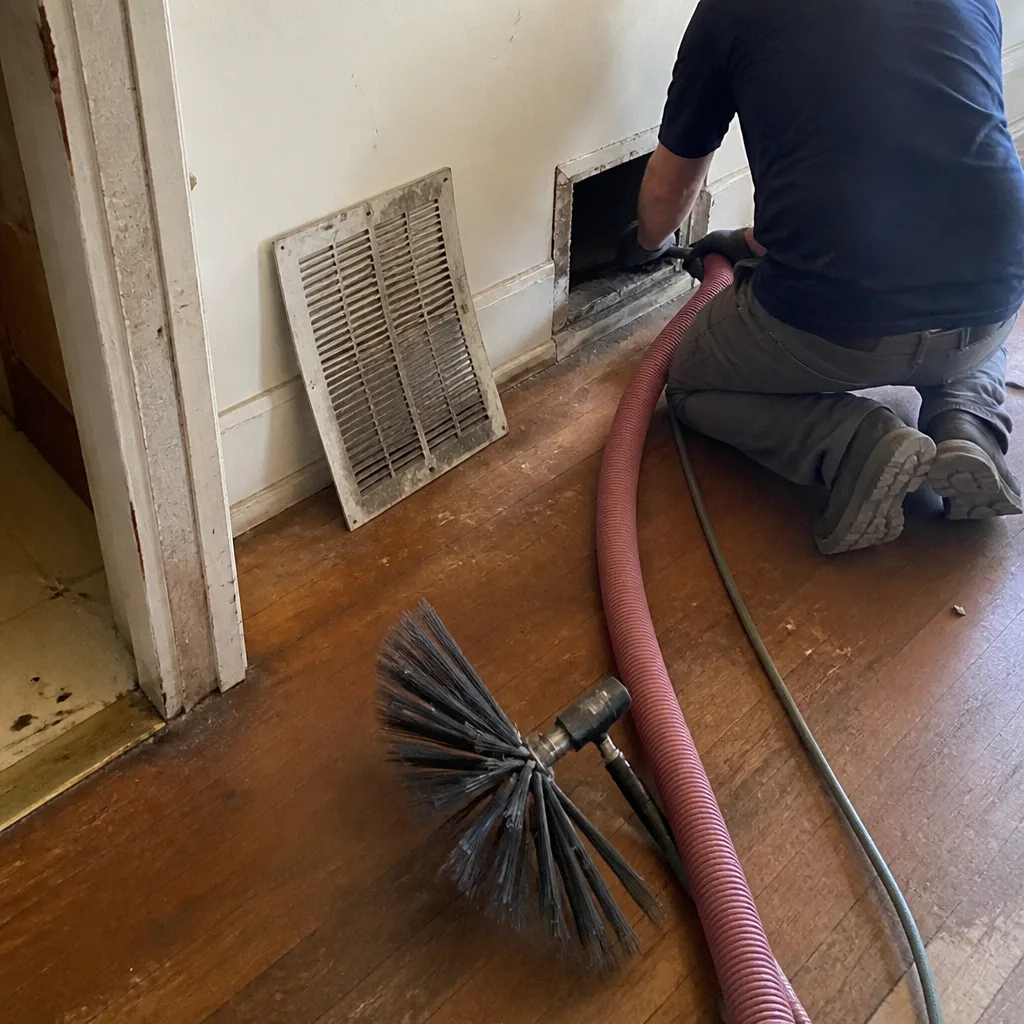 Before
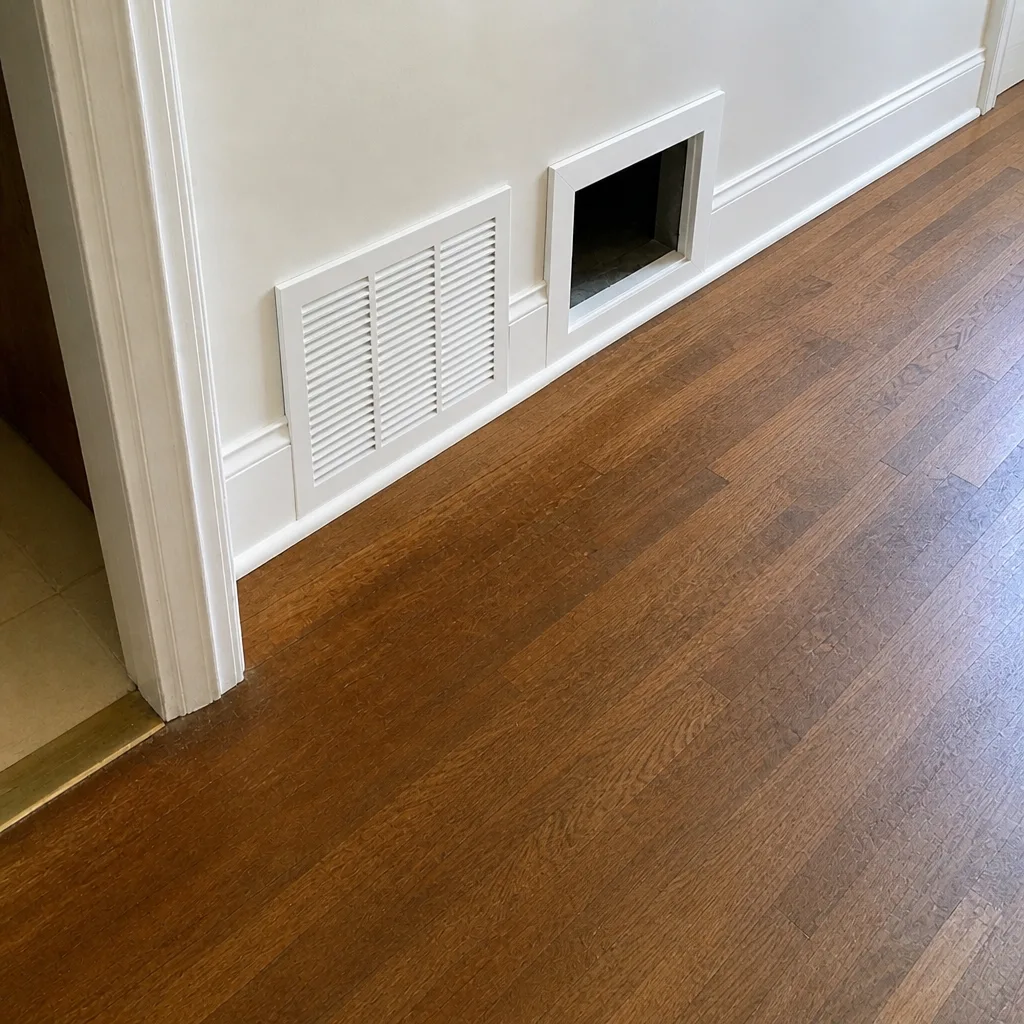 After
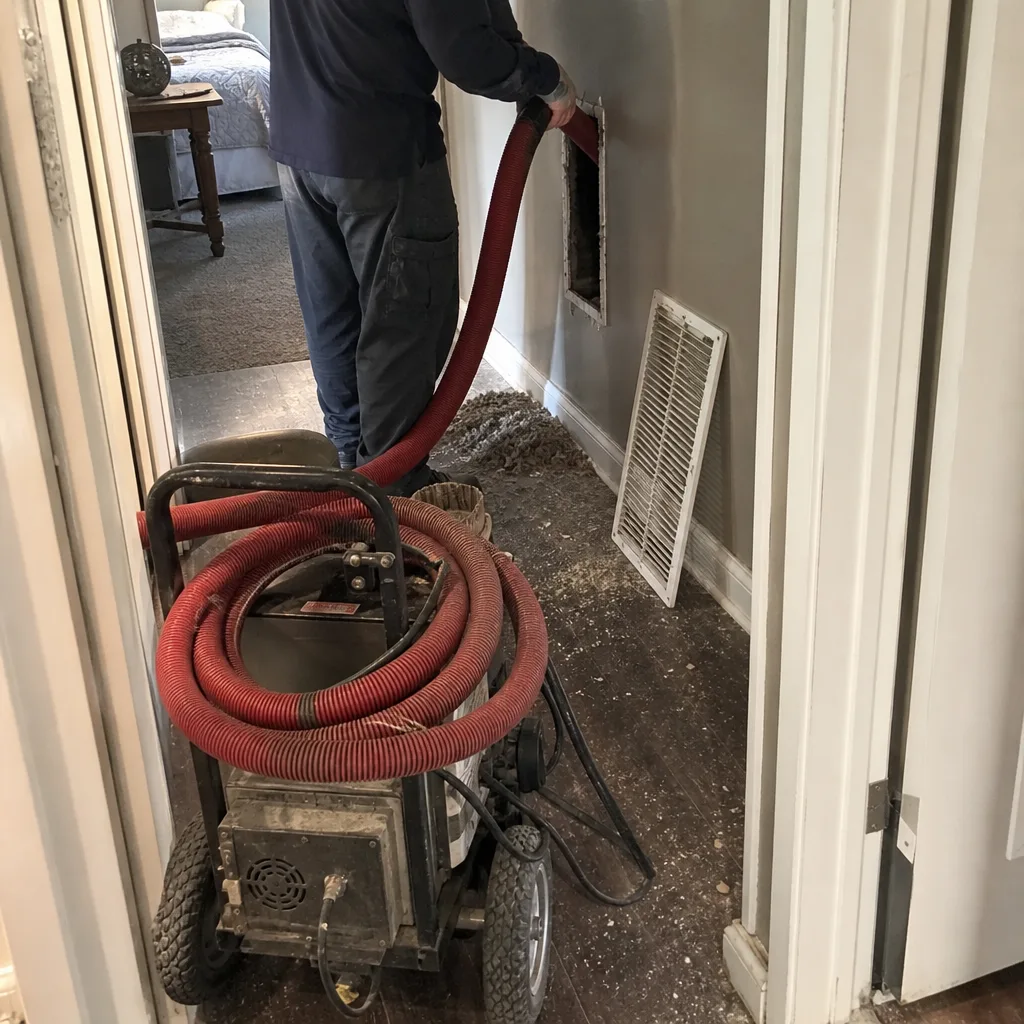 Before
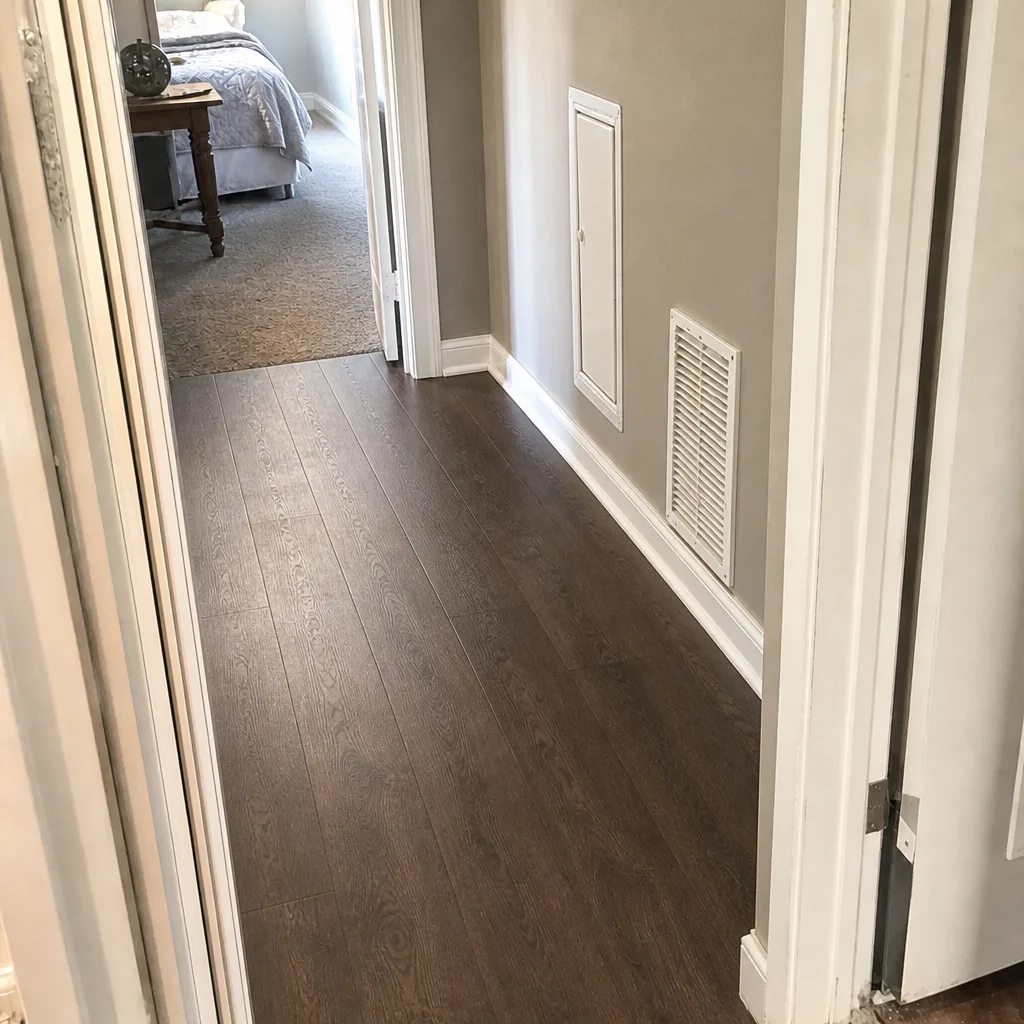 After
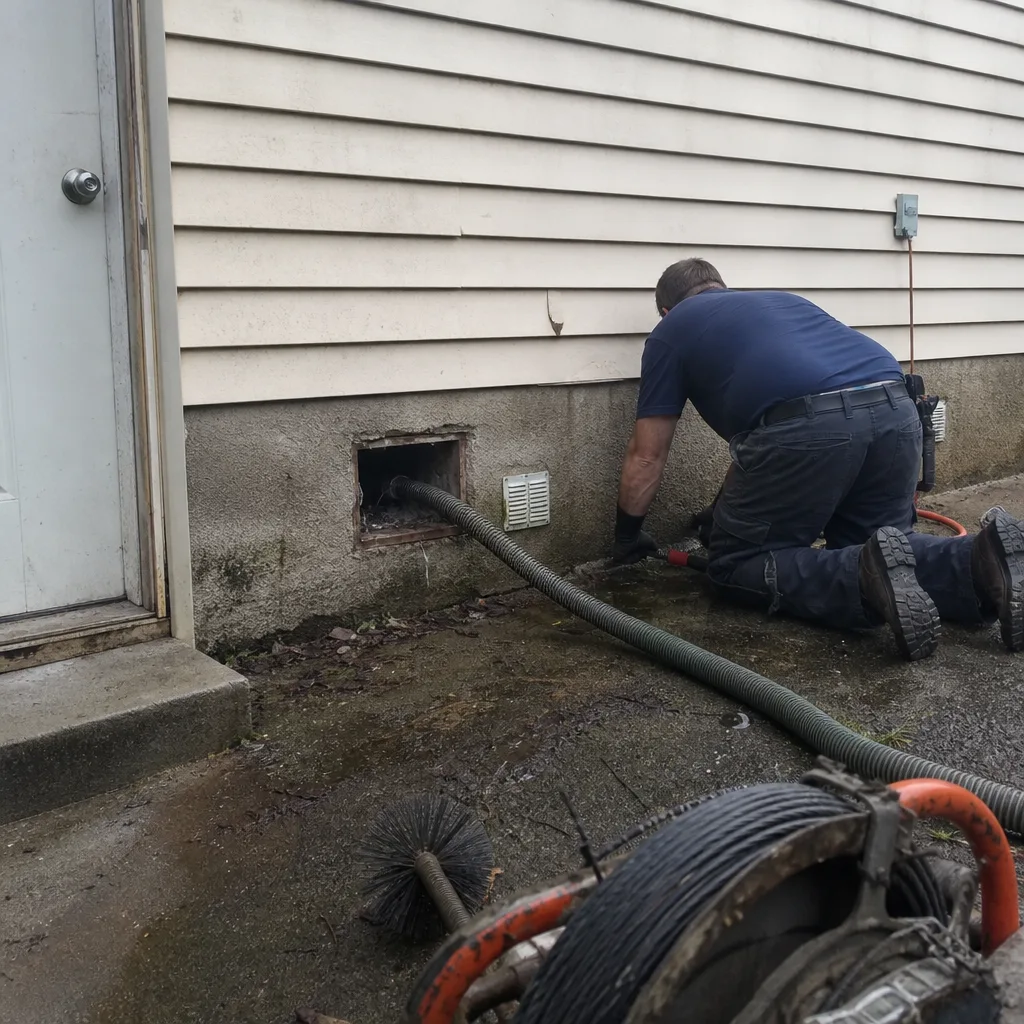 Before
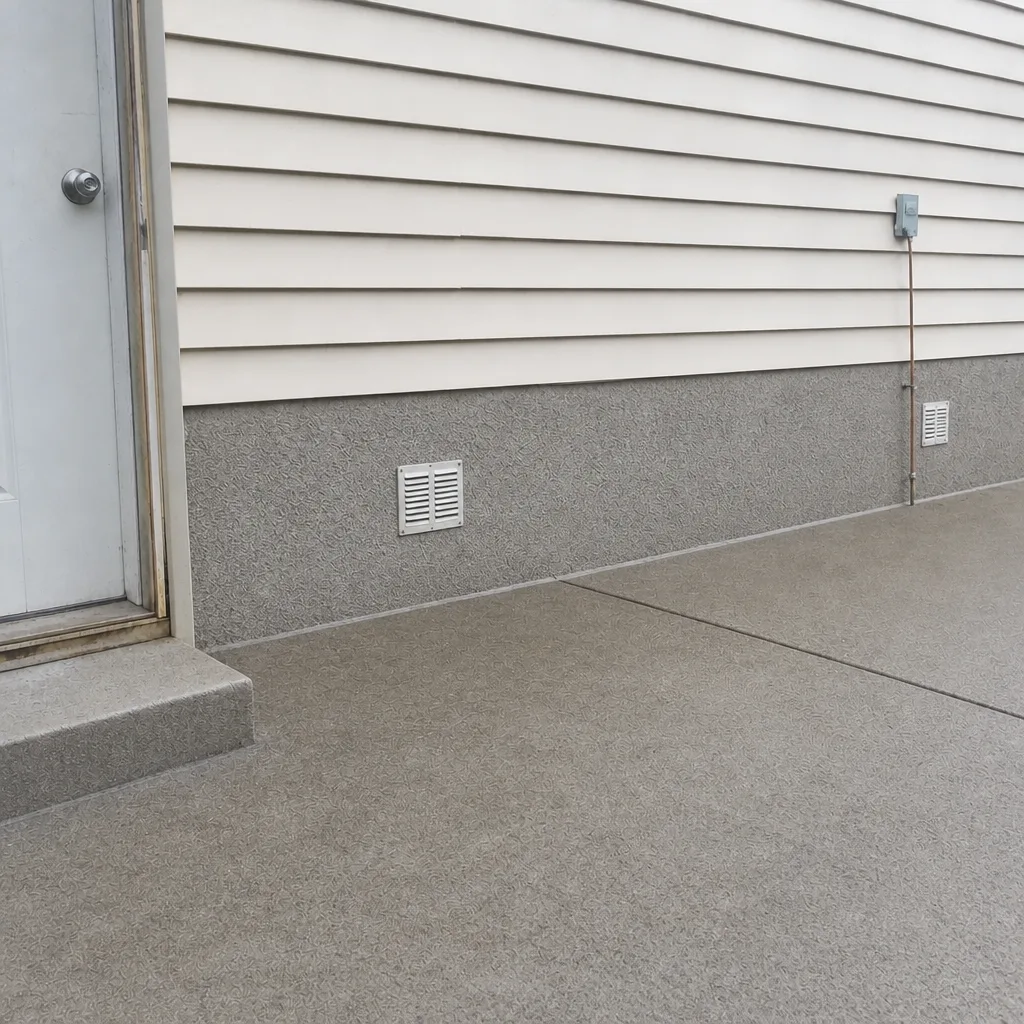 After
When to Call a Professional
Call a professional whenever the visible signs move beyond ordinary dust. That means sustained musty or sour odors from supply registers, visible mold anywhere in the system, rodent droppings or nesting material, filter clogging faster than expected, or a renovation that involved drywall. It also means calling after a flood, fire, or HVAC equipment change. And it means calling if your home hits two or more Tier 3 characteristics above.
If you aren’t sure where your home sits on the schedule, a visual inspection answers the question. Air Duct Cleaning Highland Creek offers free estimates in Highland Creek to inspect the system, document what we find, and quote a cleaning only if the ductwork actually needs one. Call (855) 323-8125. We answer 24/7. Fast dispatch from 7am to 7pm, Sunday through Friday.
Frequently Asked Questions
Most Highland Creek homes need a professional cleaning every three to seven years, depending on household size, pets, allergies, renovation history, and home age. There’s no universal interval. Homes with two or more pets or a recent renovation should aim for the lower end of that range. Call (855) 323-8125 for a free estimate on your specific home.
No. The EPA’s guidance doesn’t set a mandatory interval. It says there’s no evidence that routine cleaning of a functioning system improves health on its own, and that the decision should be based on your home’s specific conditions. The 3-to-5-year figure is a marketing convention that got repeated until most people believed it was an official standard.
You can maintain filters, clean return grilles, and inspect registers with a flashlight. You can’t clean duct interiors yourself, because consumer tools don’t generate the airflow needed to extract debris from deep in the ductwork. Attempting it usually loosens dirt and leaves it to redistribute through the system. Call (855) 323-8125 for a professional inspection.
Visible mold inside the system, persistent musty odors from supply registers, rodent droppings or nesting material, filter clogging faster than usual (under 90 days), or a recent renovation that involved drywall work are the clearest signals. Any one of these overrides your calendar interval and warrants an inspection.
Yes, significantly. Humid air entering the system through unsealed joints and condensation on attic duct runs both accelerate contamination, and Highland Creek’s system runtime means more airflow passes through the ducts each year. Homes in this climate benefit from treating their maintenance schedule as one tier higher than their other characteristics would suggest.
If the renovation involved drywall work, demolition, or refinishing, plan a professional cleaning once the dust settles. Drywall dust is fine, pervasive, and difficult to remove from a duct system without professional extraction equipment. A single renovation can push more debris into the ducts than a year of ordinary living. Call (855) 323-8125 for a free estimate.
Our technicians have up to 11 years of experience with professional-grade duct cleaning equipment, including Rotobrush and Nikro systems. Our team is licensed and insured as our state requires, and every estimate is written before any work begins.
The Bottom Line
There’s no universal cleaning interval. Your schedule should be built from your household’s actual conditions: pets, allergies, renovation history, home age, and Highland Creek’s humid climate. Monitor your filter monthly, change it on condition, do a visual check of a few registers once a year, and document everything. Adjust your professional cleaning interval based on the risk tier your home falls into. When an event happens – flood, pest intrusion, drywall renovation, or equipment replacement – treat it as an inspection trigger that overrides the calendar. For an honest assessment of whether your ducts need cleaning now, call (855) 323-8125. We answer 24/7. Fast dispatch from 7am to 7pm, Sunday through Friday. Free estimates, one flat price per system agreed before work begins, and before-and-after photos of your own ducts so you can verify the work was done.
Written by the team at Air Duct Cleaning Highland Creek.