
Last updated November 23, 2026
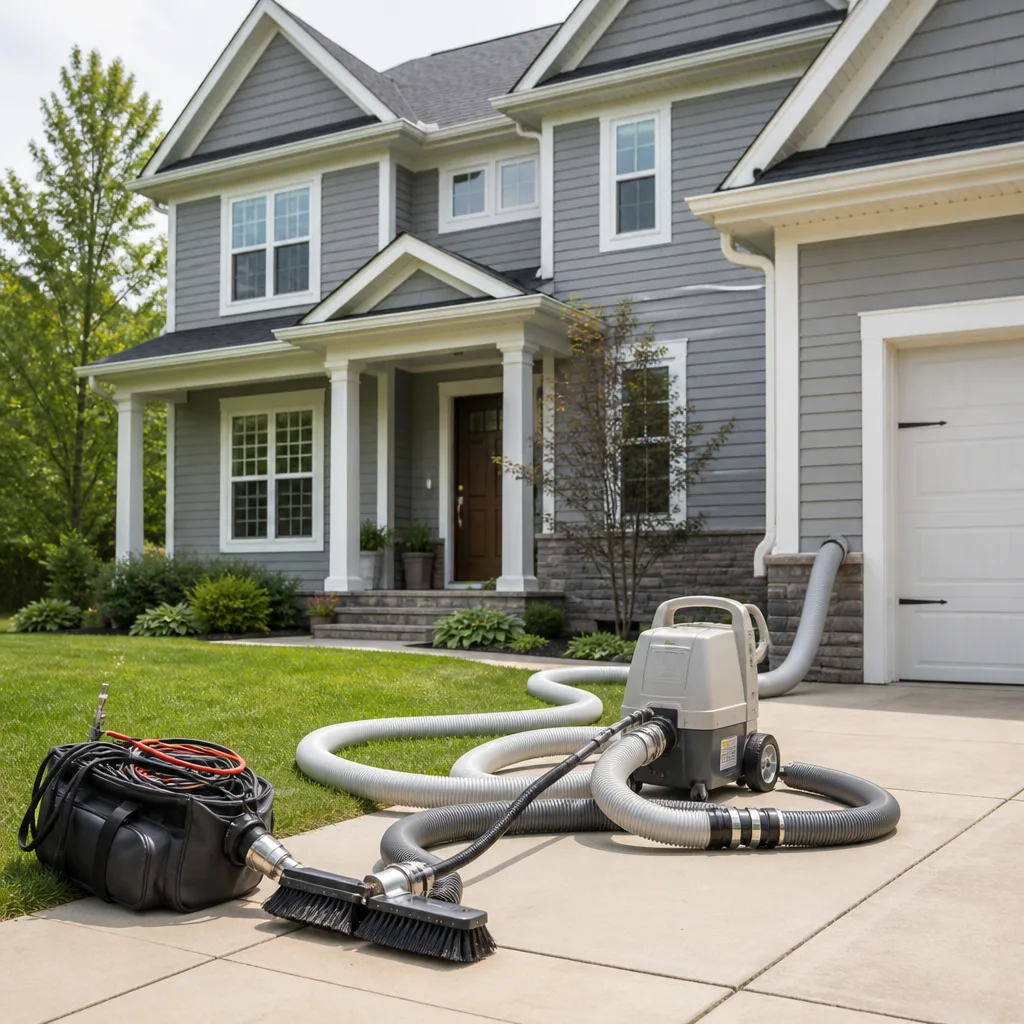 Whole-home duct cleaning
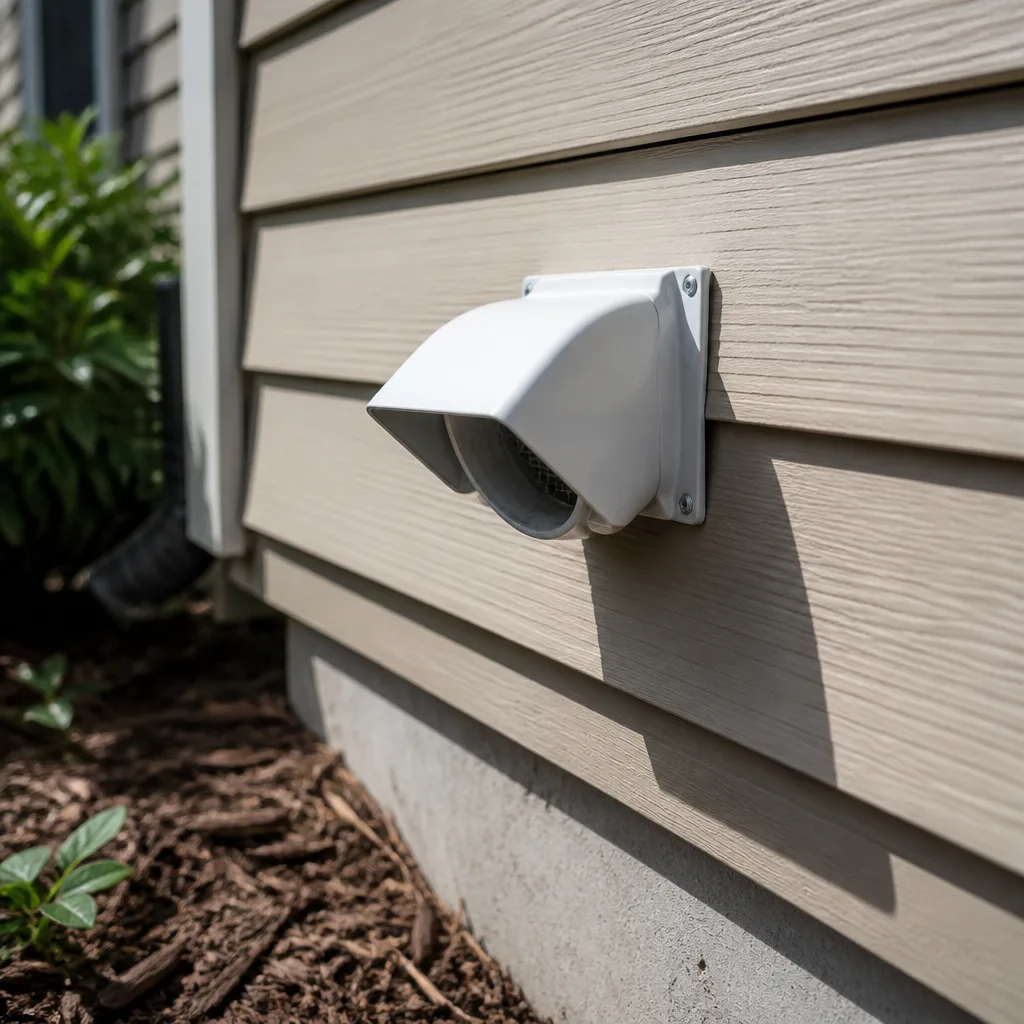 Dryer vent cleaning
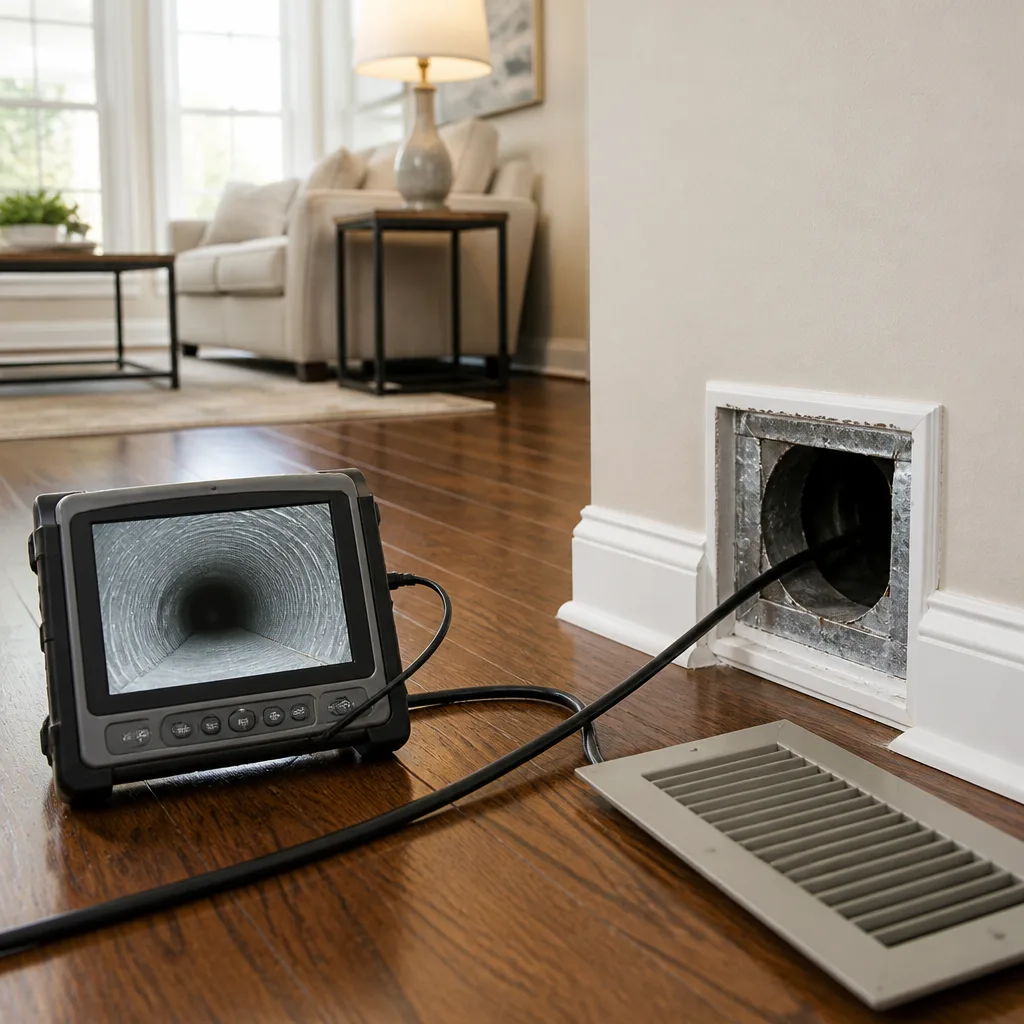 Camera inspection
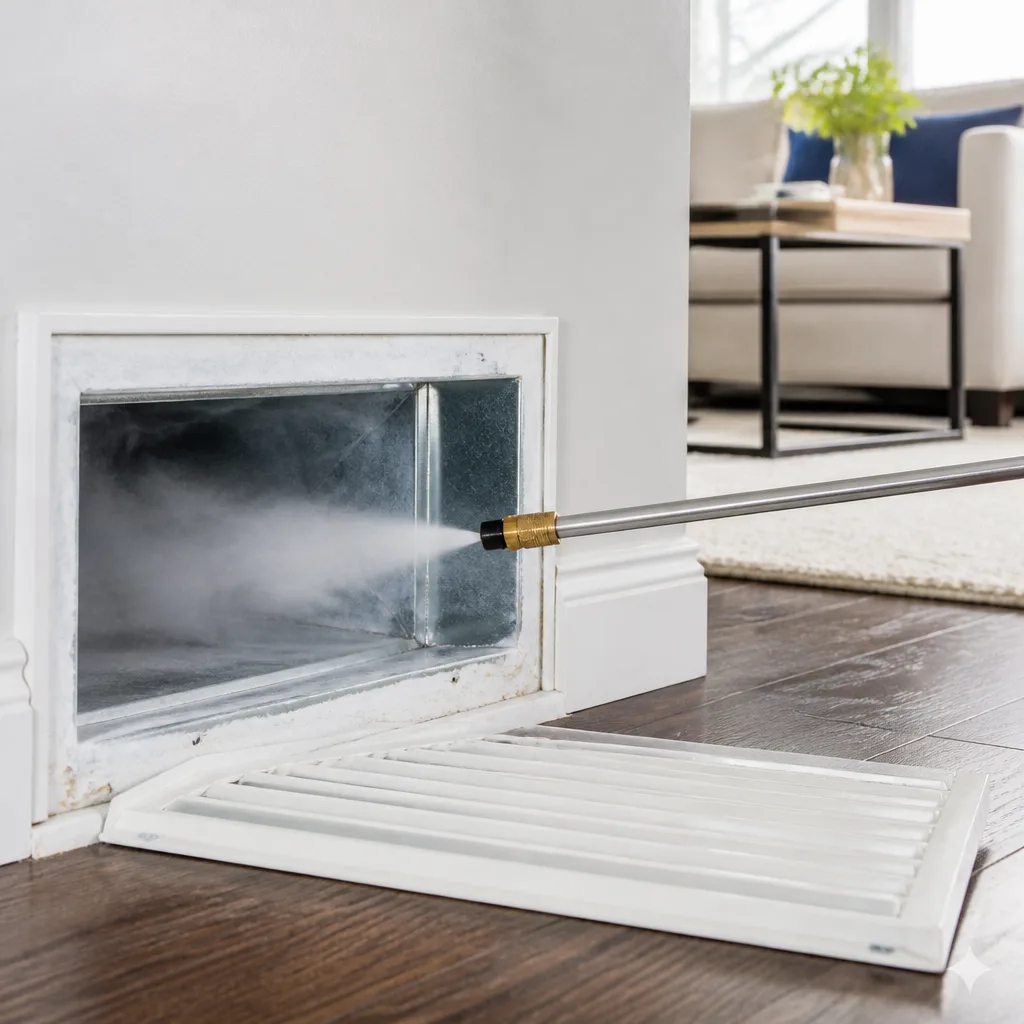 Sanitizing & deodorizing
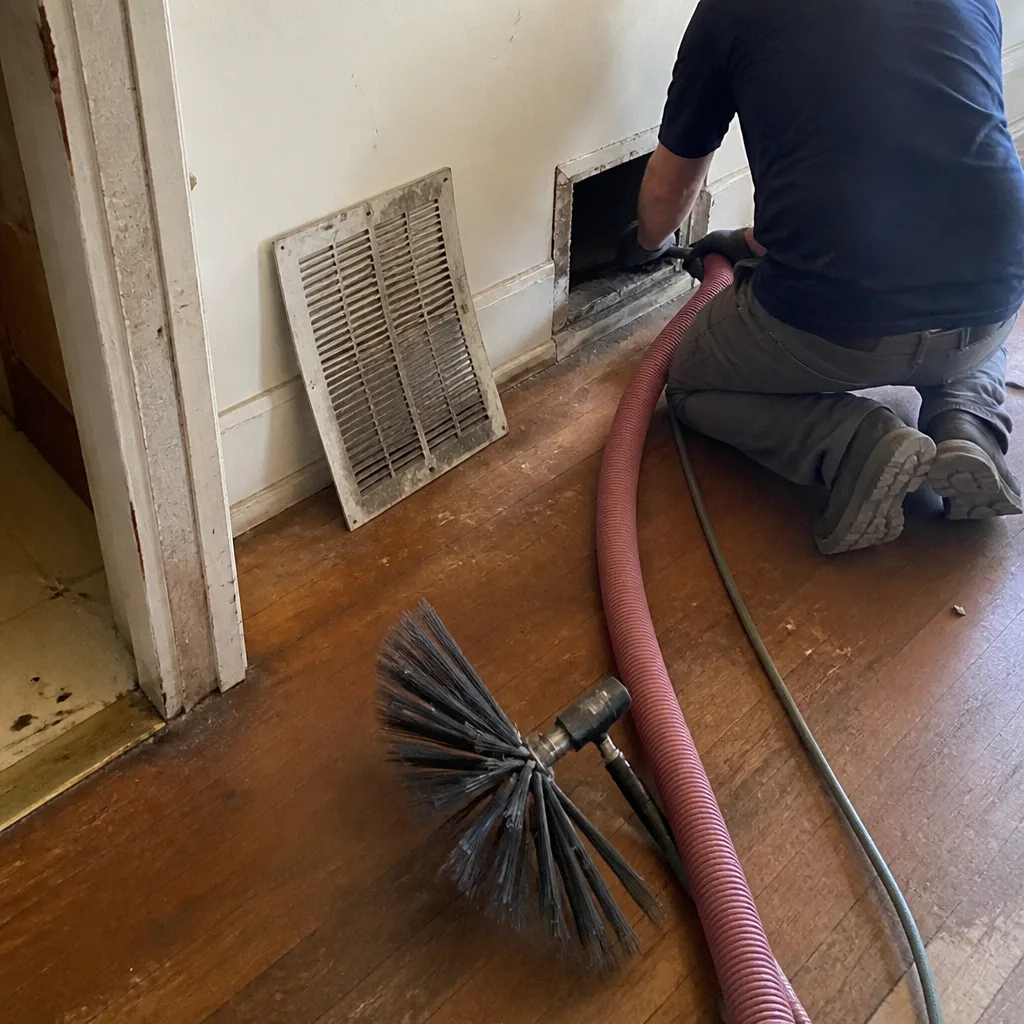
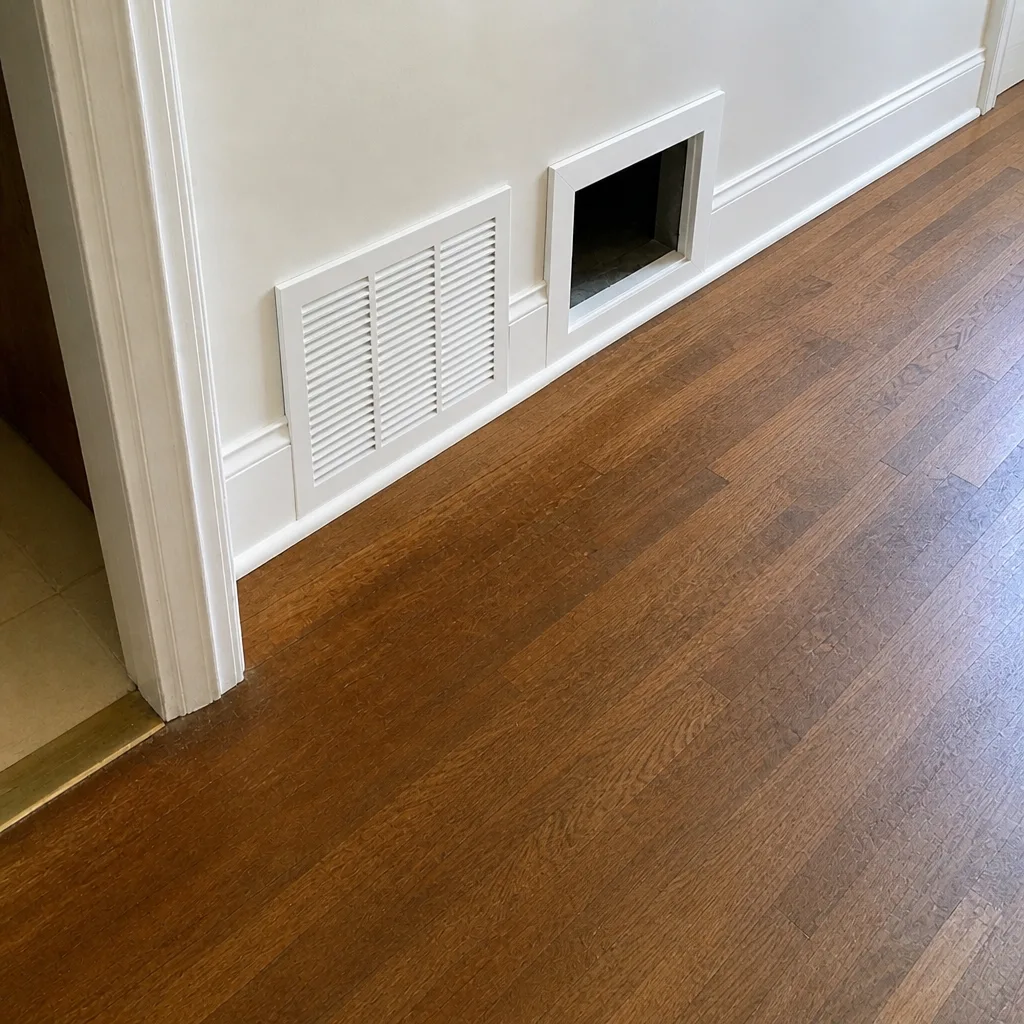
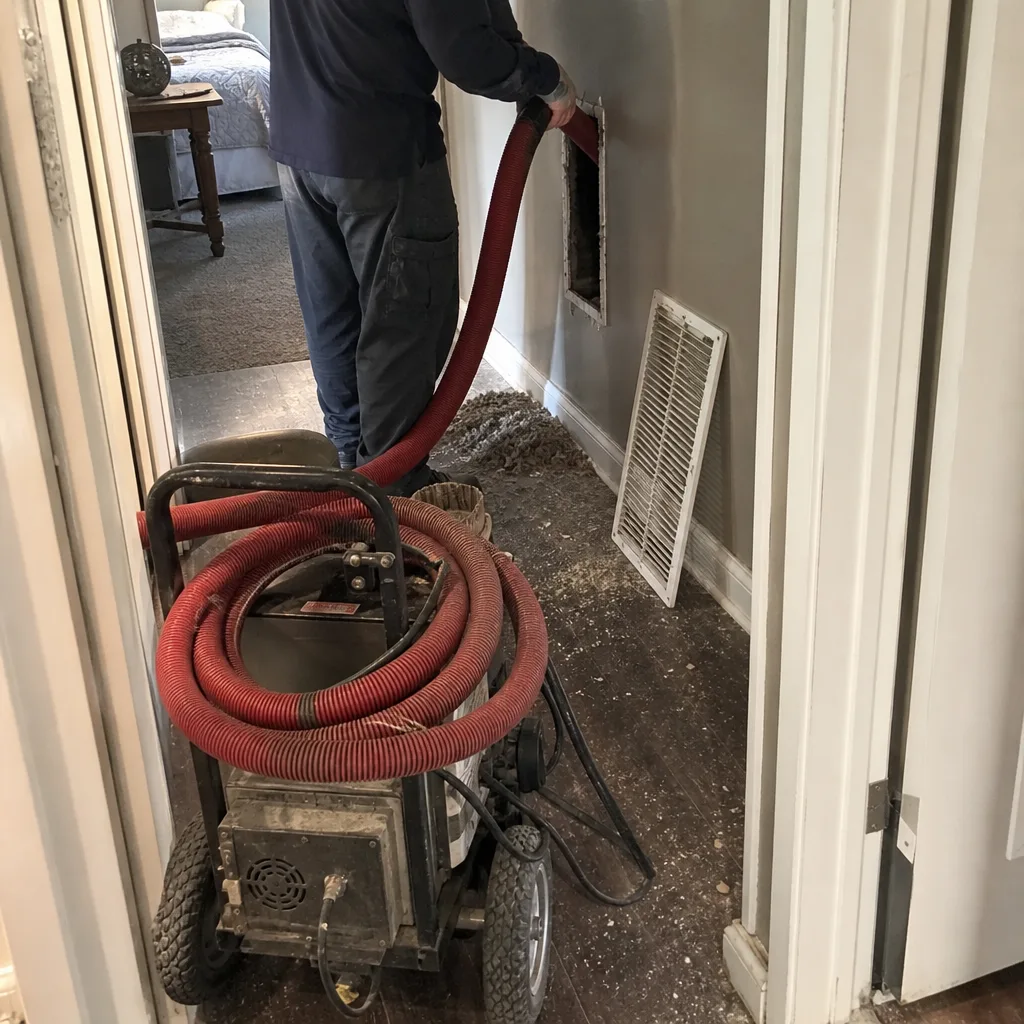
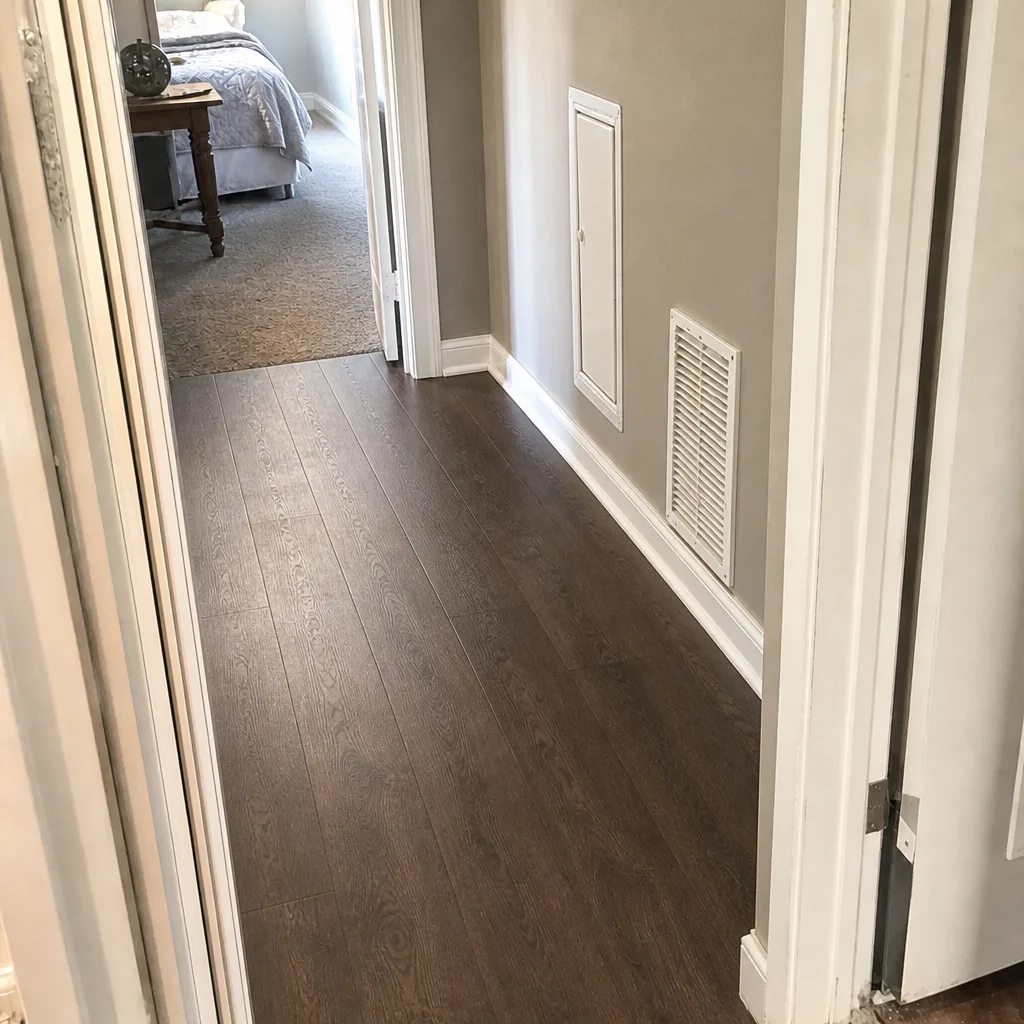
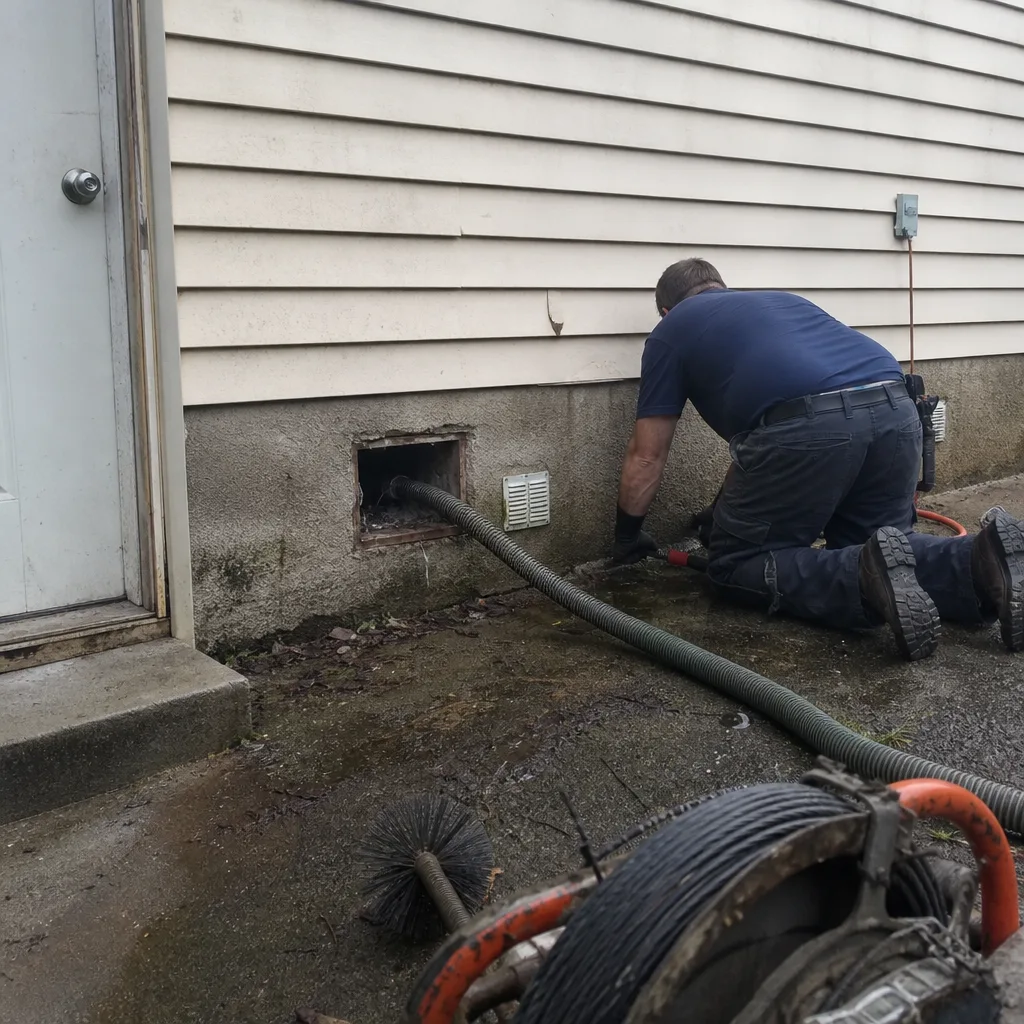
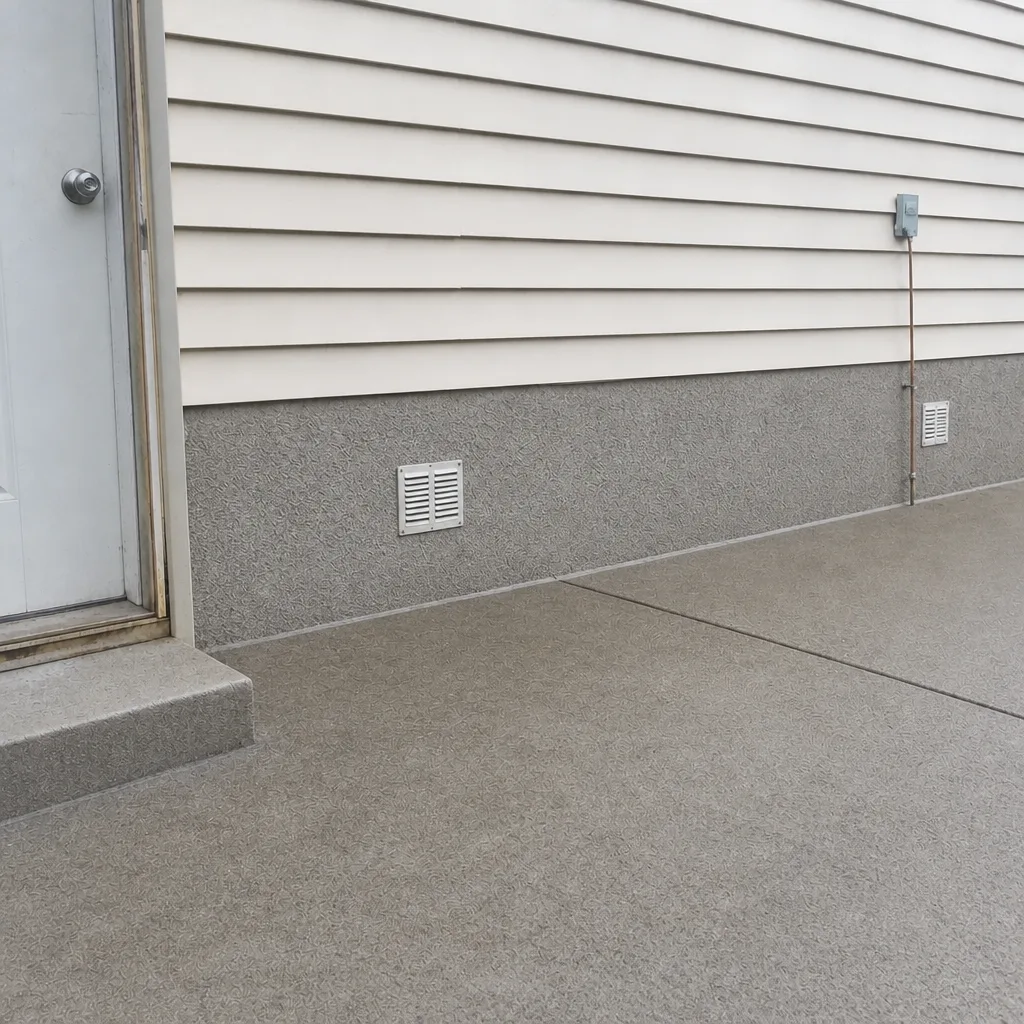
Whole-system duct and dryer vent check with before-and-after photos - you see exactly what came out of your vents
That "$99 whole-house special" is a bait ad - the real number appears once they are in your hallway, or the "clean" is a shop-vac at the register. We photograph the inside of your ducts before and after instead.
Air Duct Cleaning Permits, Codes & Inspections in Highland Creek, NC: What You Need to Know
Most Highland Creek homeowners assume duct cleaning is paperwork-free from start to finish. Usually that’s true – a straight vacuum-and-brush job on a residential system needs no permit. But the assumption breaks down fast once a contractor introduces chemicals, cuts into ductwork, or changes a register. At that point you’ve moved from cleaning into regulated territory, and the rules that apply were written for pesticide applicators and licensed mechanical contractors, not for a crew with a shop vac. In this guide, we’ll walk through exactly where North Carolina draws those lines, what Mecklenburg County inspections actually cover, and the documents you should keep afterward. You’ll learn how to spot the moment a duct job becomes something that carries legal and health consequences for the person living under that ductwork.
Quick Answer
Routine air duct cleaning in Highland Creek and the rest of North Carolina typically requires no permit. But two categories of work do: any application of antimicrobial or biocide chemicals inside ductwork falls under North Carolina pesticide law and requires a licensed applicator, and any physical modification of the duct system – sealing, reconnection, register changes – is mechanical work that requires a licensed HVAC contractor under state licensing board rules. If a contractor can’t explain which category their work falls into, that’s your cue to ask harder questions.
Styles & brands we work with
- Whole-home duct cleaning
- Dryer vent cleaning
- Camera inspection
- Sanitizing & deodorizing
Table of Contents
- Where Does Duct Cleaning Stop Being Cleaning?
- North Carolina Pesticide Law and Chemical Duct Treatments
- When Duct Work Crosses Into Licensed Mechanical Work
- Mecklenburg County and City of Charlotte Inspections
- EPA Registered Uses and Product Label Law
- Questions to Ask Before Any Chemical Touches Your Ducts
- Documentation to Keep After Cleaning or Treatment
- Highland Creek Housing, Climate, and Why It Matters
Where Does Duct Cleaning Stop Being Cleaning?
The clearest way to think about it: cleaning removes matter that’s already there, while repair and treatment change the system or add something new. North Carolina regulators care about the second category. Pure extraction – pulling dust, debris, and built-up particulate out of the supply and return runs – is treated as maintenance. Nobody issues a permit for maintenance.
We’ve seen the confusion happen most often when a service is sold as “cleaning” but includes things that aren’t cleaning at all. Watch for these:
- Disinfectant fogging or antimicrobial spraying applied inside ducts. That’s a chemical application, not a cleaning step.
- Spray-on sealant used to close leaks in sheet metal or flex runs. That’s a repair.
- Cutting access holes into trunk lines or plenum boxes to reach debris. That’s a modification to the system.
- Reconnecting or replacing loose flex duct or damaged sections. That’s installation work.
- Register or grille replacements that change airflow patterns. That’s a mechanical change.
A legitimate cleaning job can be enormous in scope – a whole-house source-removal with professional-grade equipment, contained negative air, and multi-hour rotary-brush extraction – and still require zero permits, because nothing new is added and nothing is modified. If a contractor’s estimate includes items from the list above without mentioning licensure or inspections, that’s the gap you need to close before signing.
The line matters because liability doesn’t stay with the contractor once the work is done. Residue from a chemically treated duct stays in the air supply you and your family breathe. If the application was improper, the homeowner still ends up living with the outcome. For a fuller picture of what an uncomplicated cleaning involves, see our page on air duct cleaning.
North Carolina Pesticide Law and Chemical Duct Treatments
North Carolina regulates pesticides under General Statutes Chapter 143, Article 52. Under that framework, a substance used to kill or suppress microorganisms in ductwork – an antimicrobial, a biocide, a disinfectant labeled for HVAC interiors – can meet the legal definition of a pesticide. That means the person applying it must hold the right licensure, and the application must follow the specific use instructions on the product’s EPA-approved label.
This is the part most Highland Creek homeowners have never been told: a duct cleaning technician is not automatically a licensed pesticide applicator. Cleaning and chemical application are two different licensed activities. But those two are not the same thing, and a contractor licensed for one isn’t licensed for the other by default.
Here’s what the law means in practice:
- The product must be an EPA-registered antimicrobial labeled specifically for HVAC or duct interior use. Products labeled for other surfaces are not legal for duct interiors, regardless of what they contain.
- The person applying it must hold North Carolina pesticide applicator licensure appropriate to the site and method of application.
- The label is the law: the concentration, dwell time, and application method on the label must be followed. Diluting beyond the label, over-spraying, or applying in a way not covered on the label violates federal and state law.
- Records of the application – product name, EPA registration number, application date, and applicator information – should be documented and available to the homeowner.
If a contractor offers to “sanitize” your ducts without asking about the product, the EPA registration number, or the label’s HVAC-specific directions, that’s not a small gap. It’s the difference between a compliant treatment and an unlicensed pesticide application inside the system that circulates air through your home.
Our own approach relies on sanitizing products in the Guardsman line, applied according to label direction, and we’re specific about what’s being sprayed and why. Not every system needs a chemical step – most contamination-level jobs are solved by source-removal extraction alone. As a dedicated Air Duct Cleaning Highland Creek provider, we explain the chemical option honestly so you can decide whether it’s warranted.
When Duct Work Crosses Into Licensed Mechanical Work
North Carolina requires a licensed heating, ventilation, and air conditioning contractor for work that modifies a mechanical system. Duct sealing, duct repair, register relocation, and system reconnection all sit inside that definition. The licensing board (the North Carolina State Board of Examiners of Plumbing, Heating and Fire Sprinkler Contractors) issues those licenses and enforces them.
What that means for a Highland Creek homeowner is straightforward: if your ducts have visible leaks at joints, disconnected flex runs in the attic, or crushed sections behind a knee wall, cleaning them won’t fix the problem – sealing will. And sealing is mechanical work.
We handle duct repair and sealing because our technicians carry the license classification that covers it. That’s not universal in this industry. Many cleaning-only crews will point at a leak, recommend sealing, and then hand off the actual sealing work – or simply re-tape the joint and move on, which fails within a season in the same variable temperature swings your attic sees every year.
What a properly licensed repair and sealing job does, in sequence:
- Pressurize or depressurize the system and measure leakage using a duct blaster or similar diagnostic.
- Locate leaks by reading pressure loss across the system, not just by eye.
- Seal sheet metal joints with mastic or approved tape – never standard cloth duct tape.
- Reconnect or replace failed flex duct with properly sized and supported material.
- Re-run the leakage test to confirm the improvement.
- Document the before-and-after leakage numbers for your records.
If a crew quotes you “duct sealing” without a leakage test before and after, that’s not verification, it’s marketing. For a deeper look at how this fits into whole-system maintenance, see our page on HVAC cleaning.
Mecklenburg County and City of Charlotte Inspections
Highland Creek is in unincorporated Mecklenburg County, but the building inspections authority for most of the residential work here is the City of Charlotte’s Code Enforcement division, which handles permitting and inspection for the surrounding area under an interlocal arrangement. Practically speaking, that means any project that pulls a mechanical permit gets inspected by Charlotte’s mechanical inspectors, even if your mailing address is Charlotte or your subdivision is technically in unincorporated county.
Here’s the key point for Highland Creek: duct cleaning alone never triggers an inspection. But whole-system HVAC projects that include duct work often do. If you’re replacing your air handler, changing out the furnace, installing a new zoning system, or rerouting ductwork as part of a renovation, the mechanical permit is what opens the door to inspection – and the inspection covers the duct connections, seals, and air-distribution components the licensed contractor installed.
What inspectors look for on duct work:
- Secure and properly supported connections at equipment and at all branch takeoffs.
- Sealed joints at accessible locations, following the code edition in force at permit time.
- Proper material for the application – sheet metal or flex rated for the system pressure and location.
- Correct sizing where ducts have been modified or replaced.
- Insulation and vapor barrier integrity where ducts run through unconditioned space.
If you’ve just had duct cleaning done and you’re planning an HVAC replacement, ask the mechanical contractor to look at duct condition before the new equipment goes in. Ducts full of debris will shower contamination downstream into a brand-new system, and that’s the least expensive moment to address it.
One more thing Highland Creek homeowners should know: the county and city don’t inspect the cleaning itself. Nobody shows up to verify your ducts were actually cleaned. That’s why before-and-after photos, source-removal documentation, and a clear written scope matter so much on the cleaning side. On the sealing and repair side, the permit is your assurance. On the cleaning side, photos are.
EPA Registered Uses and Product Label Law
The federal piece of this puzzle is product label law. Under FIFRA (the Federal Insecticide, Fungicide, and Rodenticide Act), a pesticide product may only be used in a manner consistent with its EPA-approved label. That label specifies legal sites of application, concentration, contact time, and required personal protective equipment.
For duct work, that translates to a simple rule: if the label doesn’t mention HVAC duct interiors as an approved use site, the product cannot legally be applied inside ductwork, period. It doesn’t matter what the active ingredient is or how well it works in a lab setting. The label is the legal boundary.
A few things homeowners should be alert to:
- Products whose labels cover “hard non-porous surfaces” but say nothing about ductwork interiors.
- Contractors who describe an application as “just a fog” but cannot produce a label or EPA registration number.
- Products marketed to the trade specifically for HVAC interiors, which have labels written for that use and are the only legal option.
- Over-application – repeated treatments or higher-than-label concentrations that weren’t tested and aren’t covered by the label.
Two separate federal and state regulatory systems run side by side on this: FIFRA sets the allowed uses at the federal level, and North Carolina’s pesticide law sets who may apply the product within state lines. Compliance requires being legal on both sides.
In our work, this is why we don’t throw a chemical step into every job by default. A whole-system source-removal cleaning with professional-grade equipment – our technicians use Abatement Technologies negative-air machines for contained extraction – solves most contamination problems without any chemical treatment at all. When sanitizing is the right call, we use products with HVAC-appropriate labels and we’ll show you the documentation. That’s an indoor-air-quality decision, not a cleaning upsell.
Questions to Ask Before Any Chemical Touches Your Ducts
The best protection you have is a short, direct conversation before any chemical step begins. Most of the regulatory risk homeowners end up exposed to could be avoided with five questions asked up front.
Ask these, in this order:
- “What is the product name and EPA registration number?” Write it down. Any legitimate applicator can produce it. A number that can’t be produced means no legal application.
- “Does the label list HVAC duct interiors as an approved use site?” If the answer is vague, ask to see the label. The site statement is usually on the front of the container.
- “Who is the licensed applicator, and what is their certification number?” North Carolina requires licensure for pesticide application. The number is legitimate to request.
- “What concentration and dwell time does the label call for?” Answers that don’t match the label are a red flag. Concentration and contact time aren’t negotiable.
- “Is sanitizing necessary for my system, or is source-removal cleaning sufficient?” A good contractor will tell you when the chemical step isn’t needed.
If the answers don’t feel solid, that’s not a reason to keep pressing – it’s a reason to find a different contractor. Dishonesty about licensure in a chemical application is a serious signal.
One more question worth asking on any duct repair element: “Are you licensed for duct sealing and repair, and will you document the before-and-after leakage?” Licensed mechanical work and honest diagnostic verification go together. If either piece is missing, the “sealing” is likely to be duct tape that fails within a season.
Documentation to Keep After Cleaning or Treatment
The paperwork you keep after a duct job may seem like it doesn’t matter at the time. It matters a lot when you’re filing a homeowner’s insurance claim, preparing a home sale disclosure, or dealing with a health issue that might trace back to indoor air. Pull the documents together before the truck leaves the driveway.
Here’s what we tell every Highland Creek customer to hold onto:
- The written estimate or invoice with the full scope – what was cleaned, what was treated, what was repaired or sealed. Avoid accepting “duct cleaning” as a line item without detail.
- Before-and-after photos of the ducts, especially the interior of the supply and return plenums and the trunk lines. These are the only verification that the work was done.
- For any chemical treatment: product name, EPA registration number, concentration used, application date, applicator name and license number, and a copy of the product label.
- For any repair or sealing: the contractor’s license number, the scope of work, and the before-and-after leakage test results if a duct blaster was used.
- For any permitted work: the permit number and the inspection result. If a mechanical permit was pulled, the passed inspection is a legal record of the work completed.
- For any installed air-quality products: model and serial numbers from the manufacturer documentation, whether it’s a whole-home filter system, humidifier, or UV component.
Keep this folder together with your HVAC maintenance records. Insurance companies ask for it after water intrusion or smoke events. Buyers ask for it during home inspection. If a health concern comes up, it gives your doctor something concrete to work with. A contractor who can’t produce this documentation when asked is telling you something about their process.
If you’re collecting a full record, our dryer vent cleaning service follows the same documentation standard – you get the before-and-after photo record and a written scope of what was cleaned.
Highland Creek Housing, Climate, and Why It Matters
Highland Creek’s housing stock matters to this conversation more than most homeowners realize. The neighborhood and surrounding subdivisions have a mix of two-story traditional brick and vinyl homes, many built across a wide span of years, and a good number of these have flex duct runs through unconditioned attic space, MERV-rated filters in central returns, and systems that have been serviced by more than one contractor over the years. Attic duct runs see real temperature cycling across a Piedmont North Carolina year, with long humid summers and cold snaps in winter.
Two practical consequences come out of that local picture:
First, the flex runs in attics are where leaks and disconnections happen. That’s mechanical work once it’s found. If a cleaning crew finds a dropped flex connection in a Highland Creek attic and reconnects it with tape and a zip tie, the work wasn’t licensed duct repair – and in another season, it’ll fail again. This is exactly where duct sealing and repair capability matter, because cleaning a system with an open return just pulls attic air into the living space.
Second, humidity in Highland Creek makes a chemical treatment decision meaningfully different from a dry climate. A duct system that stays damp for any part of the year is more hospitable to microbial growth, which is one scenario where an antimicrobial step could be appropriate. But over-application of a chemical in a wet environment is worse than none, because it can leave residue that combines with moisture. Legitimate sanitizing, in this climate, means using the labeled concentration and no more.
If you’ve noticed persistent dust, musty odor from the supply registers, or inconsistent airflow room to room, the answer usually is diagnostic first and treatment second. We use Rotobrush rotary-brush extraction and Nikro units for source-removal cleaning, and Honeywell or Aprilaire filtration components for long-term air-quality work when the diagnostics point that direction. Not every problem is a cleaning problem, and not every cleaning job needs a chemical.
Common Mistakes to Avoid
- Assuming all duct cleaning needs a permit. It usually doesn’t – cleaning is maintenance. The mistake is assuming a job that includes chemical fogging and duct reconnection still doesn’t, because those steps do fall into regulated territory.
- Accepting antimicrobial treatment without seeing the label. Ask for the product, the EPA registration number, and the licensed applicator’s certification. If any of those can’t be produced, the application may be illegal, and the residue stays in your air.
- Letting a cleaning crew seal or repair ducts without confirming mechanical licensure. Taped joints and zip-tied reconnections fail fast in Highland Creek attics, and you’re the one holding the result.
- Skipping the before-and-after photos. Nobody inspects the cleaning itself. Photos are the only proof, and no contractor with a proper process refuses them.
- Not asking whether sanitizing is necessary. In most Highland Creek homes, whole-system extraction with contained negative air solves the problem. A contractor who always adds a chemical step isn’t diagnosing your system, they’re upselling.
- Filing away no paperwork. Insurance claims, home sale disclosures, and health consultations all benefit from a clean record. The right time to collect it is before the technician leaves.
- Hiring on price alone. A quote far below the reasonable range for whole-system work needs to explain how it’s possible. The answer is usually a smaller scope with heavier marketing.
See the difference
 Before
 After
 Before
 After
 Before
 After
When to Call a Professional
Call a professional when you see visible debris blowing from supply registers, smell a persistent musty odor in more than one room, or notice a sudden drop in airflow at the vents. Same call applies if anyone in the home has new respiratory symptoms that seem tied to being indoors. If you’ve had water intrusion, a pest issue, or renovation dust get into the system, that’s source-removal territory, not a filter change. And if you’re being offered a chemical treatment or a duct sealing estimate and the contractor can’t produce a product label or a mechanical license, get a second opinion before any work begins. Air Duct Cleaning Highland Creek offers free estimates in Highland Creek – call (855) 323-8125. We answer 24/7. Fast dispatch from 7am to 7pm, Sunday through Friday.
Frequently Asked Questions
No. Routine air duct cleaning in Highland Creek does not require a permit, because it’s treated as maintenance rather than construction. Permits come into play only when the work crosses into mechanical territory – duct sealing, reconnection, or modification of system components – or when a chemical is applied inside the ducts, which brings NC pesticide law into play rather than a permit requirement. Call (855) 323-8125 with questions about your specific project – estimates are free.
Yes, but only if the product is EPA-registered for HVAC duct interior use and the person applying it holds the appropriate North Carolina pesticide applicator licensure. The label is the legal document – the concentration, contact time, and application method it specifies must be followed. Ask for the product name, EPA registration number, and applicator license before any chemical step. Call (855) 323-8125 for a free estimate and an honest assessment of whether sanitizing is even necessary for your system.
Yes. Duct sealing, duct repair, and reconnection of failed flex runs are mechanical work, which under North Carolina licensing rules requires a licensed HVAC contractor. Sealing that isn’t done under proper licensure – and without before-and-after leakage verification – usually fails within a season. Our technicians hold the licensure that covers duct repair and sealing alongside cleaning. Call (855) 323-8125 for a free estimate.
No. Duct cleaning alone never triggers an inspection, because no permit is pulled for maintenance. Inspections apply to permitted mechanical work – HVAC replacements, zoning changes, and duct modifications that require a permit – and the inspector verifies installation quality, sealing, and connection integrity, not cleanliness. For cleaning work, the verification has to come from before-and-after photos and a written scope, which is why we document both. Call (855) 323-8125 to schedule a free estimate.
Keep the written estimate and invoice with full scope detail, before-and-after photos of the duct interiors, any chemical product documentation (name, EPA registration number, concentration, applicator license), any leakage test results from sealing work, and any permit or inspection records. That folder serves you in an insurance claim, a home inspection, a sale disclosure, or a health consultation. Call (855) 323-8125 for a free estimate and a written scope you can hold onto.
Lower quotes usually reflect a smaller scope – a quick vacuum through the registers rather than whole-system source-removal with contained negative air. Rotobrush and Nikro equipment, Abatement Technologies negative-air machines, and the labor to run them for several hours cost more than a shop vac and a helper. Before agreeing to any quote, ask what equipment is being used, whether the trunk lines and plenum are included, and whether you’ll get before-and-after photos. Call (855) 323-8125 for a free estimate that spells out the scope line by line.
The Bottom Line
Routine duct cleaning in Highland Creek needs no permit, and that’s where most homeowners stop their research. That’s a mistake. The moment a contractor adds a chemical treatment or does any real duct repair, you’re in regulated territory – North Carolina pesticide law for the chemical side, mechanical licensure for the repair side. Neither one is a technicality. Ask for the EPA registration number, ask for the mechanical license, ask for before-and-after photos, and keep the whole folder. And remember that a Highland Creek home doesn’t usually need the full menu of services – it needs the right diagnosis from a contractor willing to explain which work is actually required. We’ll walk you through that conversation before any work begins.
Call (855) 323-8125 for a free estimate. We answer 24/7. Fast dispatch from 7am to 7pm, Sunday through Friday.
Written by the team at Air Duct Cleaning Highland Creek.