
Last updated November 23, 2026
 Whole-home duct cleaning
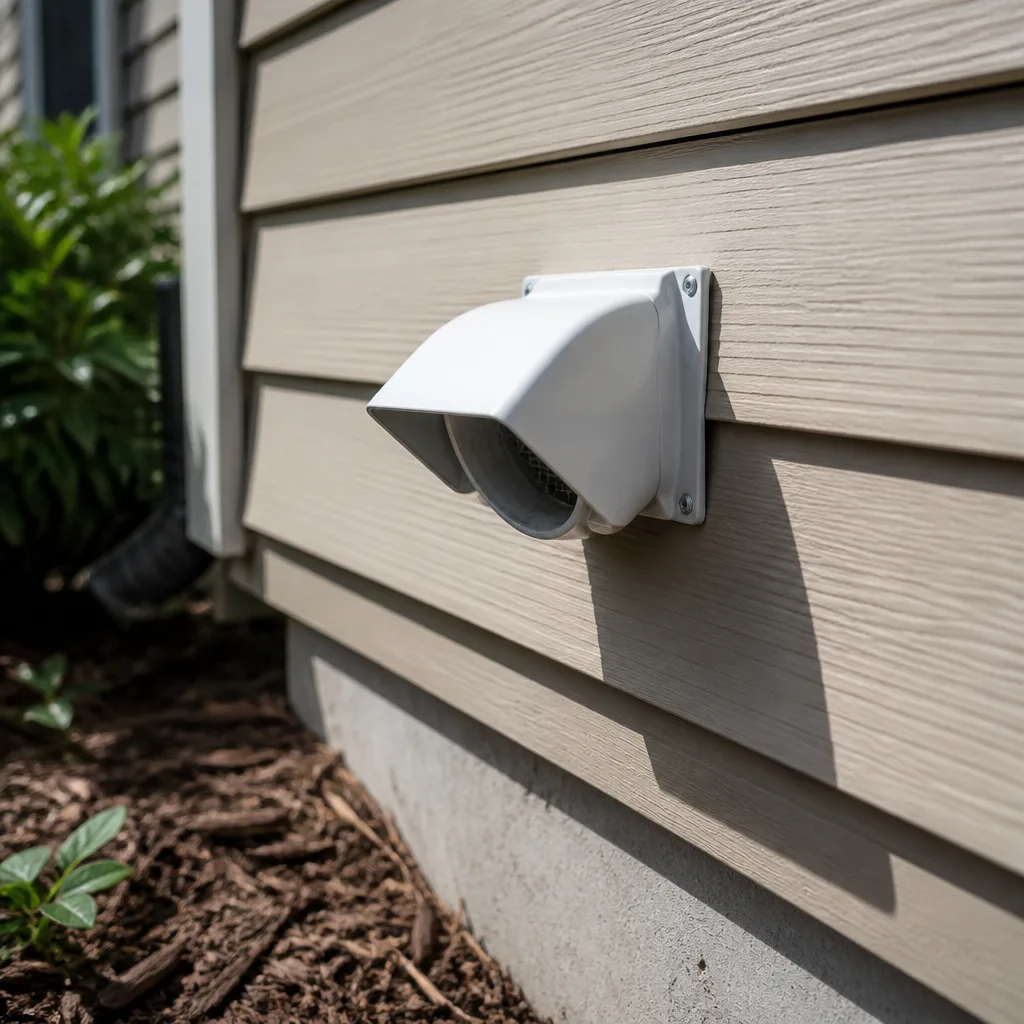 Dryer vent cleaning
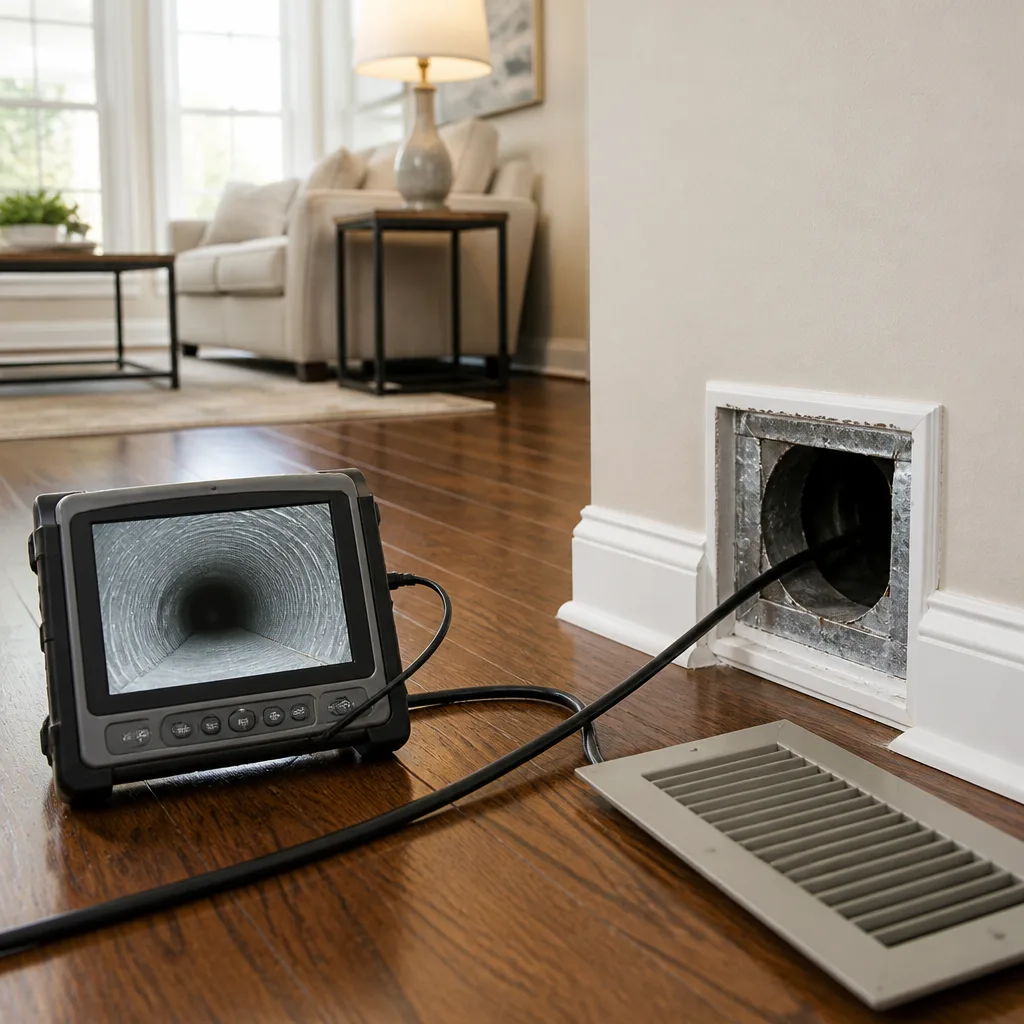 Camera inspection
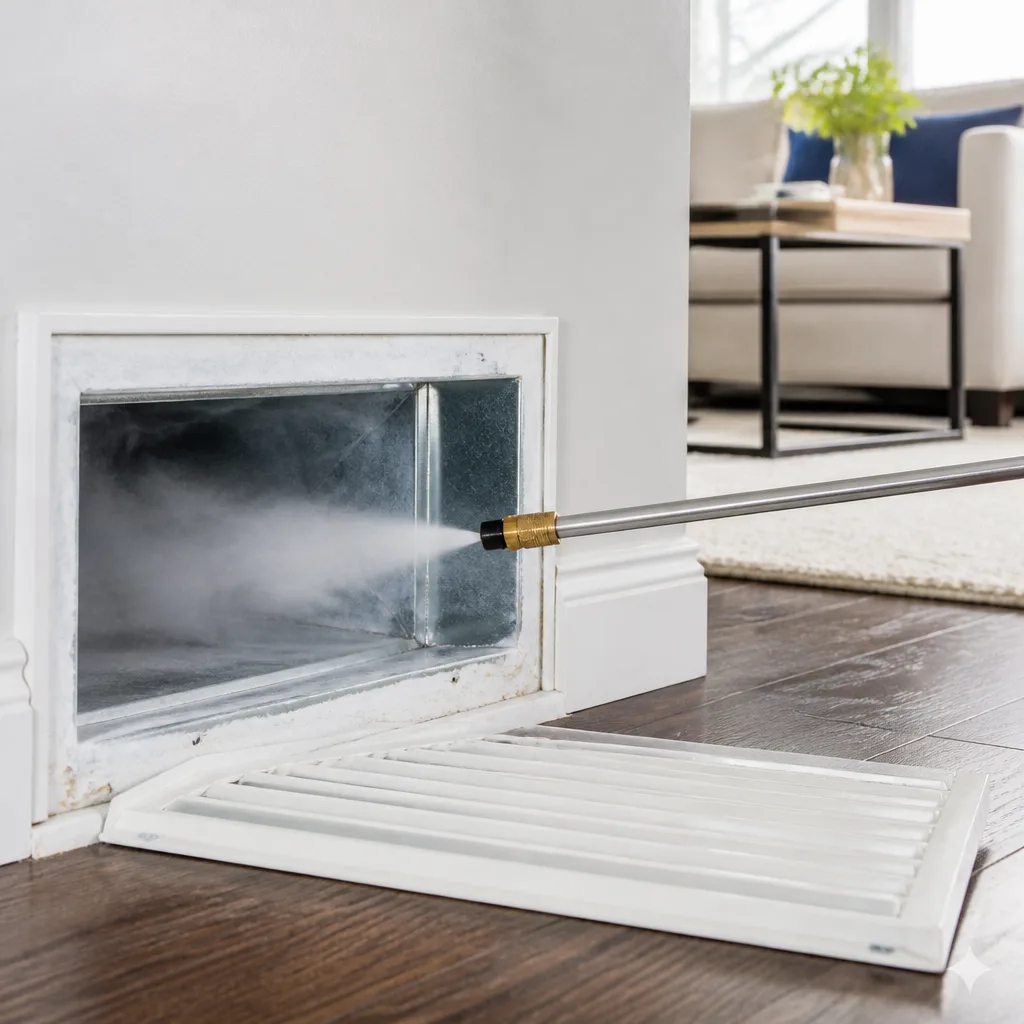 Sanitizing & deodorizing
Whole-system duct and dryer vent check with before-and-after photos - you see exactly what came out of your vents
That "$99 whole-house special" is a bait ad - the real number appears once they are in your hallway, or the "clean" is a shop-vac at the register. We photograph the inside of your ducts before and after instead.
Air Duct Cleaning Troubleshooting in Highland Creek: Common Problems and How to Fix Them
A musty smell that shows up the moment the AC kicks on is not proof you have a duct problem. It could be a drain pan holding standing water, a dirty evaporator coil, or mold that has actually colonized the inside of the ductwork, and the fix for each of those is completely different. Homeowners in Highland Creek run into this constantly: they smell something, they see dust settling on the furniture, they notice one bedroom never cools right, and they assume all three point to dirty ducts. Usually they don’t point to the same thing at all. This guide maps symptoms to causes so you walk into any service conversation already knowing which questions to ask and which answers sound like guesswork.
Quick Answer
Most duct complaints in Highland Creek trace back to one of four root causes: accumulated debris and dust in the duct runs, moisture feeding mold growth during the humid summer months, leaks and gaps at the joints and boots, or an HVAC component problem like a failing blower or a dirty coil that has nothing to do with the ducts themselves. Troubleshooting means ruling out the HVAC side first, then checking the duct system for debris, moisture and air leaks in that order. Cleaning fixes a debris problem; sealing fixes a leak problem; a damp evaporator coil or clogged condensate line needs an HVAC repair before cleaning will help at all.
Styles & brands we work with
- Whole-home duct cleaning
- Dryer vent cleaning
- Camera inspection
- Sanitizing & deodorizing
Table of Contents
- Symptom-to-Cause Matrix: What Each Complaint Usually Means
- How to Tell If Weak Airflow Is Ducts, a Collapsed Run, or the Blower
- Why Humidity Drives Odor and Mold Problems in Highland Creek
- Persistent Dust and Allergy Symptoms: Duct Debris or Something Else?
- Noise and Uneven Temperatures by Room
- What Happens When a Shop Vac Makes It Worse
- Red Flags in a Technician’s Diagnosis
- When to Call a Professional
Symptom-to-Cause Matrix: What Each Complaint Usually Means
Here’s the pattern we see repeatedly: a homeowner describes one symptom, assumes one cause, and books a service that doesn’t address it. Before anyone arrives, it helps to know that each complaint has three or four realistic causes, and only some of them live inside the ductwork.
Odor when the system starts. A musty smell that appears only when the blower runs can come from a wet drain pan, a dirty evaporator coil, mold growth on the duct liner or interior surface, or a blocked condensate trap that keeps water sitting in the unit. Only the third one is a duct problem. The other three need an HVAC technician.
Persistent dust on surfaces. Return ducts pulling from an unconditioned attic or crawlspace, leaks at the supply boots, an undersized filter that lets debris past, or simply dust generated indoors faster than the filter can catch it. Duct debris is one cause, not the only one.
Uneven temperatures between rooms. A partially closed damper, a long duct run that loses heat or cooling along the way, a crushed or disconnected flex run, or an undersized return. This is a distribution problem, and cleaning alone usually won’t fix it.
Noise at the vents. Whistling at a register often means restricted airflow from a closed damper or an undersized return, not dirt. Rattling suggests loose duct connections. In our experience, noise complaints are almost always airflow or mechanical issues, not cleanliness.
Allergy symptoms worse indoors. Dust mites and mold spores are the usual indoor suspects, and moist duct conditions make both more comfortable. This is the one case where cleaning plus moisture control directly targets the cause.
If you want a professional read on which of these applies to your home, air duct cleaning estimates are free and the inspection comes before any recommendation.
How to Tell If Weak Airflow Is Ducts, a Collapsed Run, or the Blower
Weak airflow is the single most overdiagnosed complaint in this trade. Before you call anyone, there are three quick checks that narrow it down, and none of them require opening a duct.
- Check the filter first. A loaded filter chokes the whole system and mimics duct blockage exactly. Replace it and see if the airflow at the vents improves within a few minutes of running.
- Compare vents room to room. If one or two rooms are weak and the rest are fine, the problem is in the branch runs serving those rooms. If every vent in the house is weak, the problem is upstream: the blower, the return, the coil, or the main trunk.
- Listen at the air handler. A blower that sounds strained but moves little air may have a failing capacitor or a dirty blower wheel. A blower running strong with weak output at the vents points back at the ducts.
Once you’ve narrowed it to the ducts, the likely causes are a collapsed section of flex duct (common where runs get kinked in a tight attic), a disconnected or torn run above a ceiling, or a damper that never got opened during a past repair. Flex duct collapses silently and holds its shape from the outside, so a visual check from below tells you nothing.
Debris buildup severe enough to choke airflow is real but less common than a physical obstruction. When it does happen, it’s usually at the return plenum or on the coil face. Source-removal cleaning with a rotary-brush system handles that; a vacuum at the register does not. If you’d rather skip the guesswork, the team behind Air Duct Cleaning Highland Creek diagnoses airflow complaints as part of every estimate.
Why Humidity Drives Odor and Mold Problems in Highland Creek
Highland Creek’s summers are long, humid and hard on ductwork. Relative humidity that stays high for weeks on end does two things to a duct system: it keeps the interior surfaces of the return side damp, and it leaves condensation on any duct run that crosses an unconditioned crawlspace or attic where the insulation has come loose or been pulled away.
Once moisture is present, mold colonization accelerates fast. The conditions that matter most are:
- Sustained interior humidity above the mid-50s. Ducts running through crawlspaces in Highland Creek sit in air that stays muggy through July and August.
- Cold surfaces in a humid space. Supply ducts carry air far colder than the surrounding attic or crawlspace air, which creates condensation right on the duct jacket.
- Torn or missing vapor barrier. Insulation that has been pulled back during a repair, or flex duct with no outer jacket intact, exposes the cold core.
- Air conditioning running constantly. Long runtimes keep those cold surfaces wet for hours at a time.
This is where duct cleaning and moisture control have to work together. Cleaning a mold-colonized duct without fixing the moisture source means it comes back. That’s why a proper job here pairs source-removal cleaning with HVAC cleaning of the coil and drain pan, and often with sanitizing treatment afterward. A negative-air machine such as the Abatement Technologies units we use keeps the removed material contained rather than pushing spores into the living space during the process.
Safety note: if you see visible mold on grilles, registers or inside the duct openings, don’t spray anything into the system yourself. Household sprays and foggers don’t reach the surfaces where colonization actually happens, and they can make the odor worse. Get it assessed before you treat it.
Persistent Dust and Allergy Symptoms: Duct Debris or Something Else?
Dust is the complaint that gets the most people to call us, and it’s also the one most often blamed on ducts when the ducts are only part of the story. Here’s how to separate the possibilities.
Signs the ducts are the source:
- Dust reappears on horizontal surfaces within a day or two of cleaning the house
- You can see a film of dust on the grille faces right after the system runs
- Dust is heavier in rooms closest to the air handler
- The home has never had the duct system cleaned, or it was done years ago with no record
Signs it’s something else:
- Dust is uniform through the house, including rooms with no supply vents
- It gets worse after attic work or a renovation, which usually means construction debris got into the runs
- You have returns pulling from an unconditioned space with no seal at the connection, which pulls attic air straight into the system
- Your filter is the wrong size for the cabinet and air is bypassing it
The last two are the ones homeowners miss most often in Highland Creek, where a lot of homes have attic returns. An unsealed return connection in an attic draws insulation fibers and dust directly into the airstream every time the system runs. Cleaning without sealing that connection means the ductwork is dirty again within weeks. That’s the case for pairing cleaning with duct repair and sealing rather than treating them as separate jobs.
Allergy symptoms are trickier because ducts are only one contributor. Pet dander, pollen tracked indoors, and dust mites all produce the same complaints. If your symptoms ease when you leave the house and return when you get back, moisture and air quality in the duct system deserve a close look.
Noise and Uneven Temperatures by Room
Noise and temperature imbalance are the two complaints least likely to be fixed by cleaning alone. Both are airflow distribution problems, and both have a specific set of causes worth checking before you spend money.
Why one room never cools right. In a typical Highland Creek two-story, the room that runs warm is almost always at the end of the longest duct run or on the second floor where the attic heat load is highest. The realistic causes:
- A balancing damper in the branch serving that room is partly closed from an old adjustment.
- The flex run to that room is kinked, crushed, or oversized for the register it feeds.
- The run passes through an unconditioned attic with damaged insulation, so it loses cooling before it arrives.
- The return path for that room is inadequate, so supply air can’t move through it.
Why the vents whistle or rattle. Whistling is restricted airflow, nearly always a closed damper, an undersized register, or a filter that’s too dense for the system. Rattling is mechanical: loose boot connections, unsecured flex, or a duct that has come partly loose at a joint. A loose joint is both a noise source and a leak, and leaks pull dusty attic air into the supply.
Neither of these is a cleanliness problem, and a company that recommends cleaning as the fix for an uneven room without checking dampers and duct runs hasn’t diagnosed anything. Leak testing and sealing with mastic or a proper sealant is the fix for the leak side. Installing a programmable or zoned control, or replacing an aging thermostat with something like a Honeywell or Aprilaire unit, can help you manage the imbalance while the duct work gets addressed.
What Happens When a Shop Vac Makes It Worse
A shop vac at the register feels productive. It’s also one of the most common ways homeowners make a dust problem worse, and the reason is pressure. A shop vac pulls air from the living space into the duct, which sounds right, but it also disturbs settled debris along the duct floor and throws it back into the airstream without capturing it. What doesn’t get caught ends up on your furniture, your bedding, and your lungs.
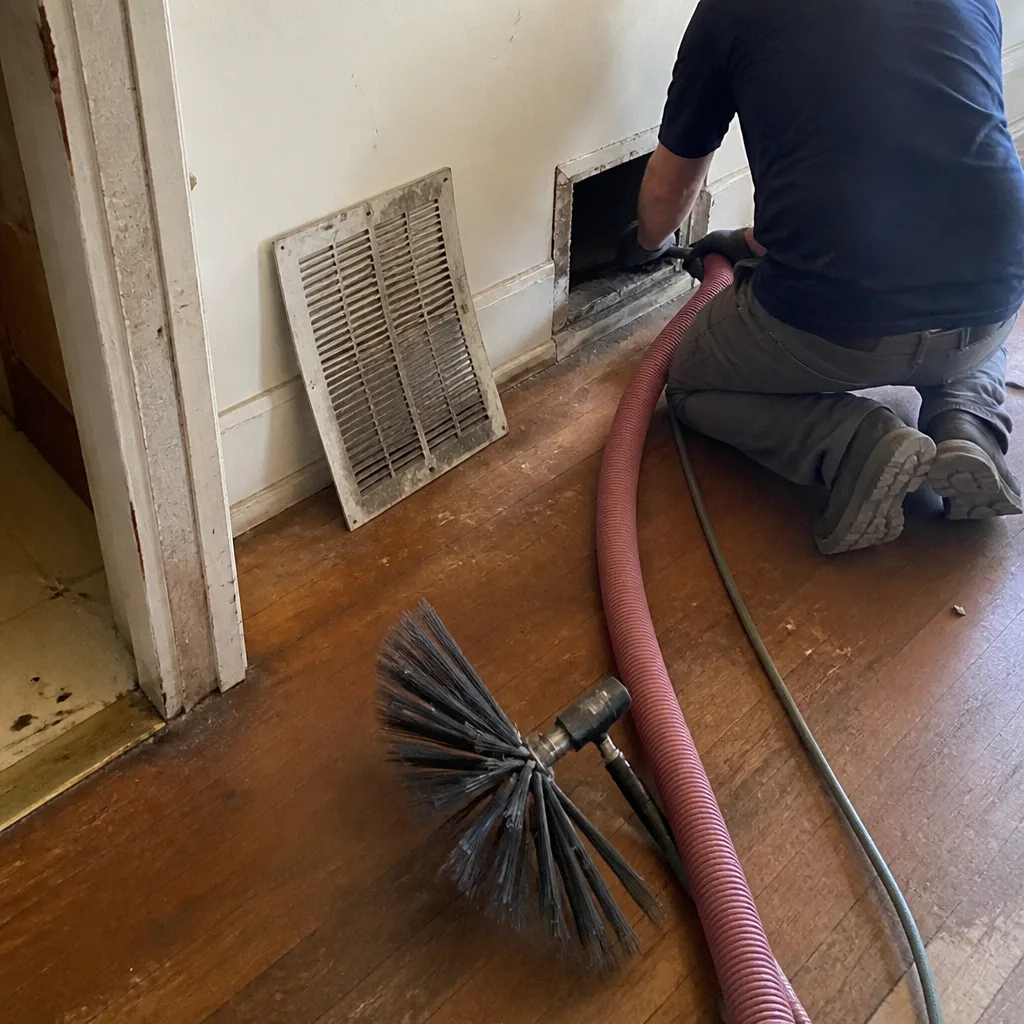
The same is true of a leaf blower, a compressor, or a shop vac with a homemade brush taped to the end. Professional equipment works the other way around. A rotary-brush system like the Rotobrush units we run agitates debris off the duct wall while a HEPA-filtered vacuum holds negative pressure on the system, so loosened material goes into the collection unit instead of into the room. Nikro cleaning units and Abatement Technologies negative-air machines serve the same purpose at a larger scale: they contain the airflow so the debris leaves the system in one direction.
If you’ve already tried a shop vac and the house got dustier:
- Don’t run the system on high fan while the dust settles; run it normally and change the filter afterward.
- Wipe horizontal surfaces rather than sweeping them, so you don’t re-suspend what’s already down.
- Check whether the filter housing was disturbed, since a loose filter door lets debris bypass the filter entirely.
- Have the system inspected before you run it hard again; dislodged debris can collect at the coil or in a branch run and cause a new restriction.
That last step matters because dislodged debris doesn’t disappear. It moves. Sometimes it lands somewhere that reduces airflow and creates a second problem on top of the first.
Red Flags in a Technician’s Diagnosis
The duct cleaning industry has a trust problem, and it’s earned. The pattern to watch for is a diagnosis delivered before any inspection, followed by a price that grows once the equipment is inside. Here’s what a real troubleshooting conversation sounds like versus a sales pitch.
Red flags:
- A price quoted before anyone looks. A legitimate estimate follows an inspection of the system, not a phone call.
- Per-vent pricing. Charging by the register rewards finding more vents, not fixing the problem. A flat price for the whole system is what you want.
- “Your ducts are full of mold” with no evidence. If someone makes that claim, ask to see it. A camera inspection or a photo of what came out is the standard of proof.
- Sanitizing sold as a standalone cure. Sanitizing treats the surface after source removal. Offered as the whole job, it doesn’t remove anything.
- No conversation about the cause. If the technician diagnoses debris but never mentions moisture, leaks, or filtration, they’re cleaning a symptom.
- Pressure to decide on the spot. A fair estimate survives the drive home.
What a solid diagnosis includes: a look at the air handler and coil, a check of the return connections and any attic runs, a conversation about moisture and filtration, and a written scope with a flat price for the full system. Before-and-after photos of your own ductwork should come with the job, not on request. If you want to compare that standard against a real estimate, dryer vent cleaning estimates follow the same inspection-first pattern and are free.
Common Mistakes to Avoid
- Assuming every smell is a duct problem. A wet drain pan or a dirty evaporator coil produces the same musty odor and needs an HVAC repair, not a cleaning. Rule out the unit before you book duct work.
- Cleaning without sealing. Unsealed joints and attic return connections pull dusty air back into the system, so a cleaning on an unsealed system in Highland Creek can be undone within months. Seal first or seal with the clean.
- Using a shop vac at the register. It stirs settled debris into the living space instead of removing it, and it can push material into branch runs where it causes a new restriction.
- Skipping the filter. A filter that’s the wrong size or loaded with dust is a bigger airflow problem than most duct debris, and it costs a fraction of a cleaning to fix.
- Treating sanitizing as the whole job. Sanitizing without source removal leaves the debris in place and the moisture source untouched, which means the growth returns.
- Ignoring the crawlspace and attic. In Highland Creek’s humid summers, ducts running through unconditioned space collect condensation and dust. If those runs aren’t inspected, the diagnosis is incomplete.
- Accepting per-vent pricing. It turns an inspection into a count and gives the company a reason to find more vents. Ask for one flat price for the system.
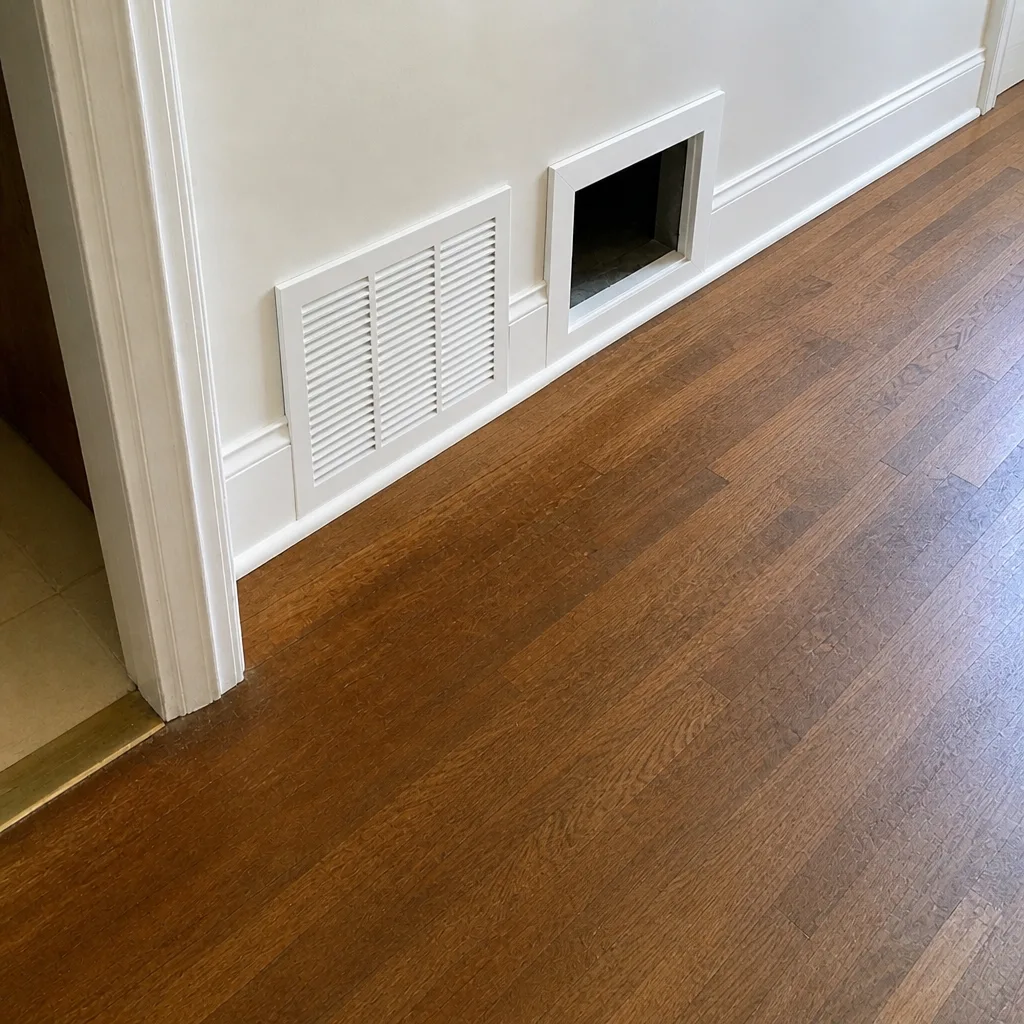
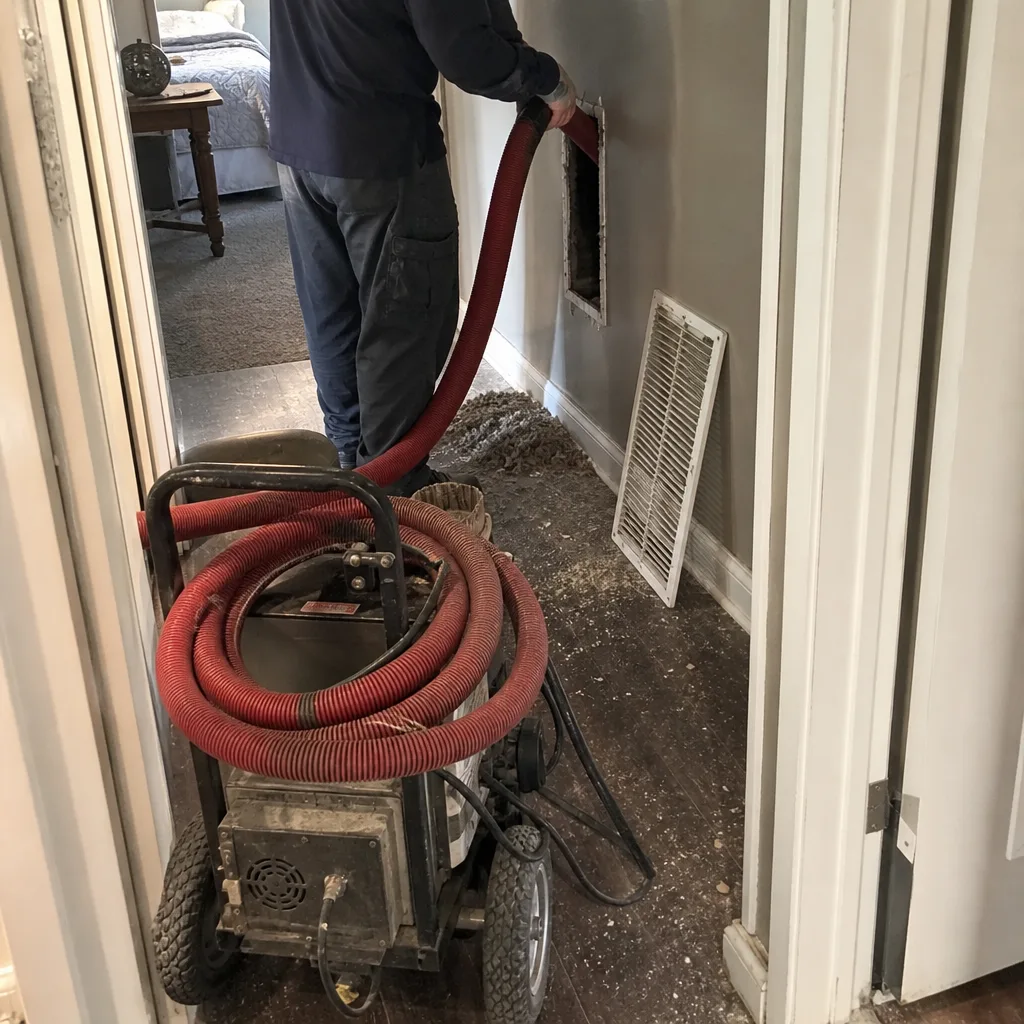
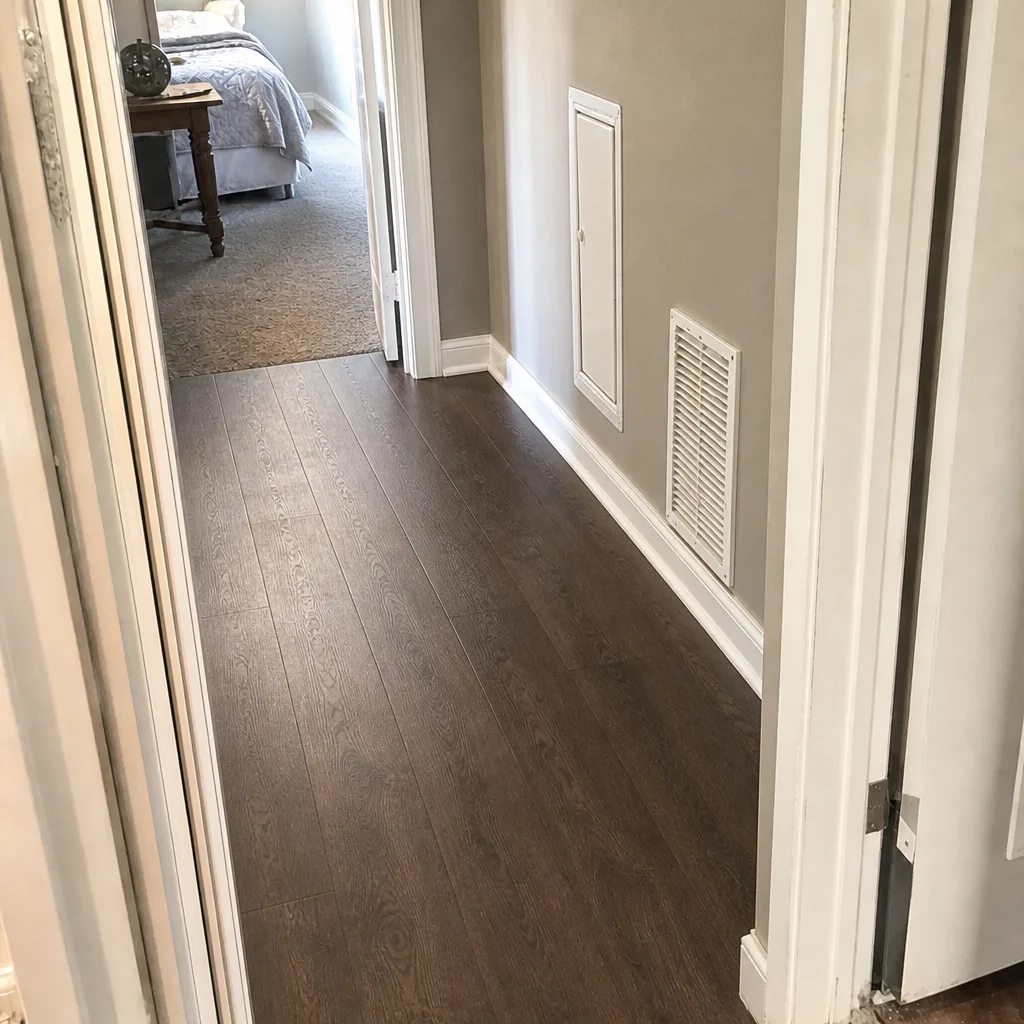
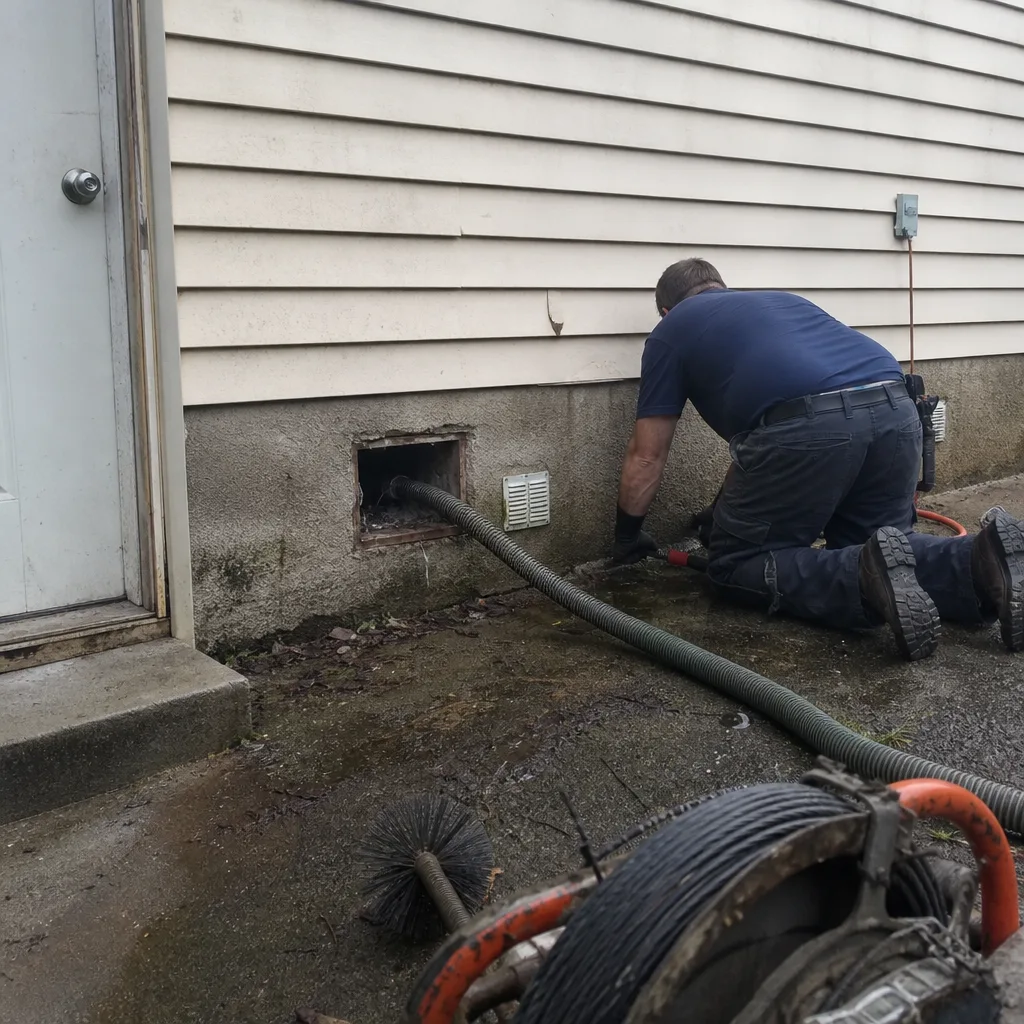
See the difference
 Before
 After
 Before
 After
 Before
 After
When to Call a Professional
Some problems are worth a phone call rather than a weekend of investigation. Call a professional if you see visible mold at the registers or inside a duct opening, if dust returns to every surface within a day of cleaning the house, if one or more rooms have never cooled properly and you’ve already checked the filter and the dampers, or if you’ve had attic or renovation work done and the system hasn’t been inspected since. The same goes for a musty odor that appears only when the blower runs and doesn’t clear after a filter change. Air Duct Cleaning Highland Creek offers free estimates in Highland Creek. Call (855) 323-8125. We answer 24/7. Fast dispatch from 7am to 7pm, Sunday through Friday.
Frequently Asked Questions
Air duct cleaning in Highland Creek typically runs on a whole-system price rather than a per-vent one, and the written estimate you get after an inspection sets the final number. We don’t quote per register, because per-vent pricing rewards counting vents instead of fixing the system. If a quote you’ve received is built on a low teaser number that grows once the technician is inside, that’s a sign to keep looking. Call (855) 323-8125 for an exact quote. Estimates are free.
Cheap quotes usually describe a different job: a vacuum at the registers with no rotary agitation, no negative-air containment, and no inspection of the coil or the return connections. That approach removes surface dust and leaves the material bonded to the duct walls. Professional-grade equipment costs more to run, and a fair price reflects the actual scope. Ask any company what equipment they use and whether the price covers the whole system. Call (855) 323-8125 for an exact quote. Estimates are free.
You should get before-and-after photos of your own ductwork, not stock images, along with a look at the collection unit when the job is finished. A legitimate company will show you what came out of the system and walk you through what they found in the coil and return connections. If photos aren’t offered, ask for them up front. Call (855) 323-8125 for an exact quote. Estimates are free.
Most homes don’t need it on a fixed schedule. It’s worth having done when there’s evidence of a problem: visible debris, a recent renovation, mold growth, a pest issue, or a system that has never been cleaned. Homes in Highland Creek with attic returns and humid summers tend to benefit from an inspection every few years, but the decision should follow what the inspection finds, not a calendar. Call (855) 323-8125 for an exact quote. Estimates are free.
Ducts can contribute, but they’re rarely the only factor. Moisture in the system encourages mold growth and dust mites, and both are common indoor triggers. Debris in the airstream adds to the load. If your symptoms follow the seasons and ease when you’re away from home, worth having the system inspected. Call (855) 323-8125 for an exact quote. Estimates are free.
Cleaning removes the debris; sanitizing treats the surfaces afterward. Sanitizing on its own doesn’t remove anything, so it’s a finishing step and not a substitute for source removal. We offer Guardsman-grade sanitizing treatments as part of a cleaning job, and only after the debris and the moisture source have been handled. Call (855) 323-8125 for an exact quote. Estimates are free.
The Bottom Line
Most duct complaints in Highland Creek have more than one possible cause, and the wrong diagnosis wastes money on a service that never addresses the problem. Rule out the HVAC unit first: the filter, the coil, the drain pan, the blower. Then check the ducts for debris, moisture and leaks, in that order. Cleaning fixes a debris problem. Sealing fixes a leak problem. Moisture control keeps both fixes from being undone by the next humid summer. And when you get an estimate, ask for a flat system price, an inspection before the quote, and photos of your own ductwork when the work is done. Those three questions separate troubleshooting from a sales pitch.
Written by the team at Air Duct Cleaning Highland Creek.