
Last updated November 23, 2026
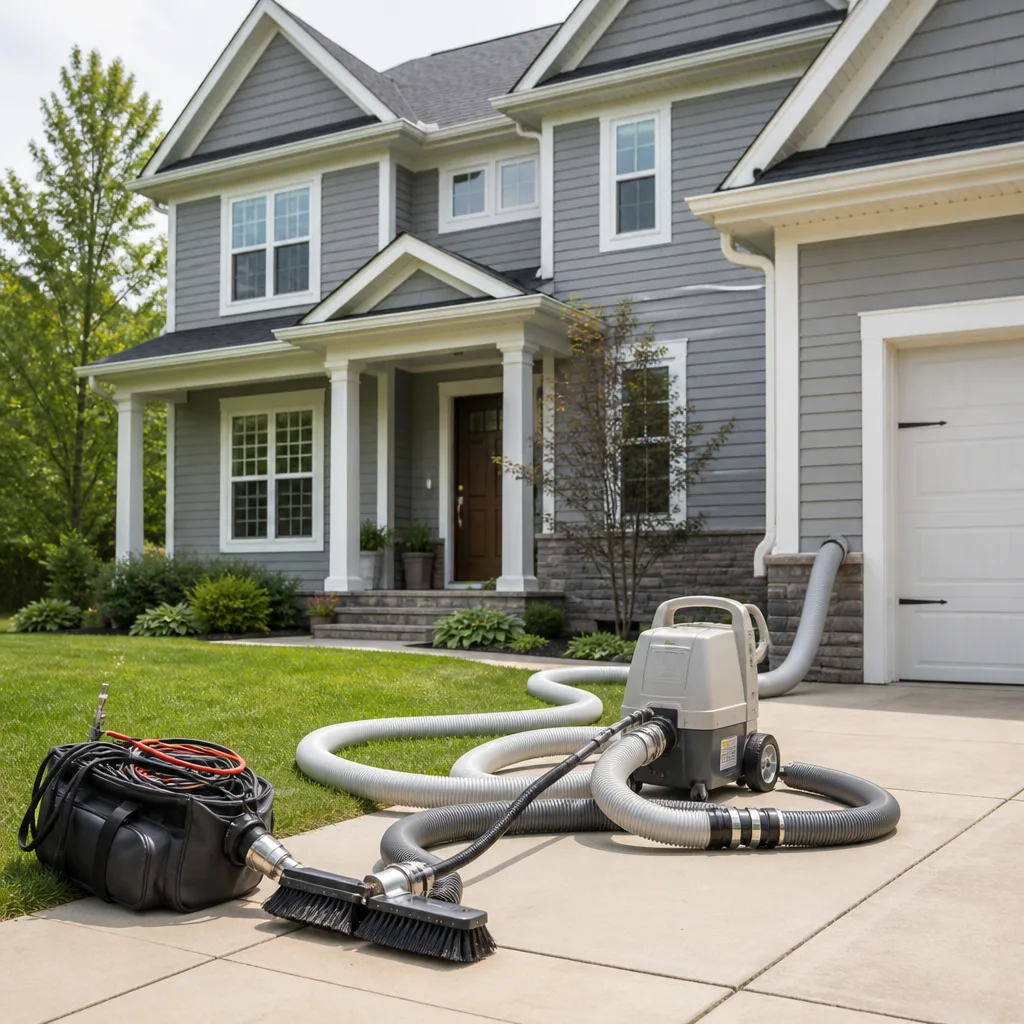 Whole-home duct cleaning
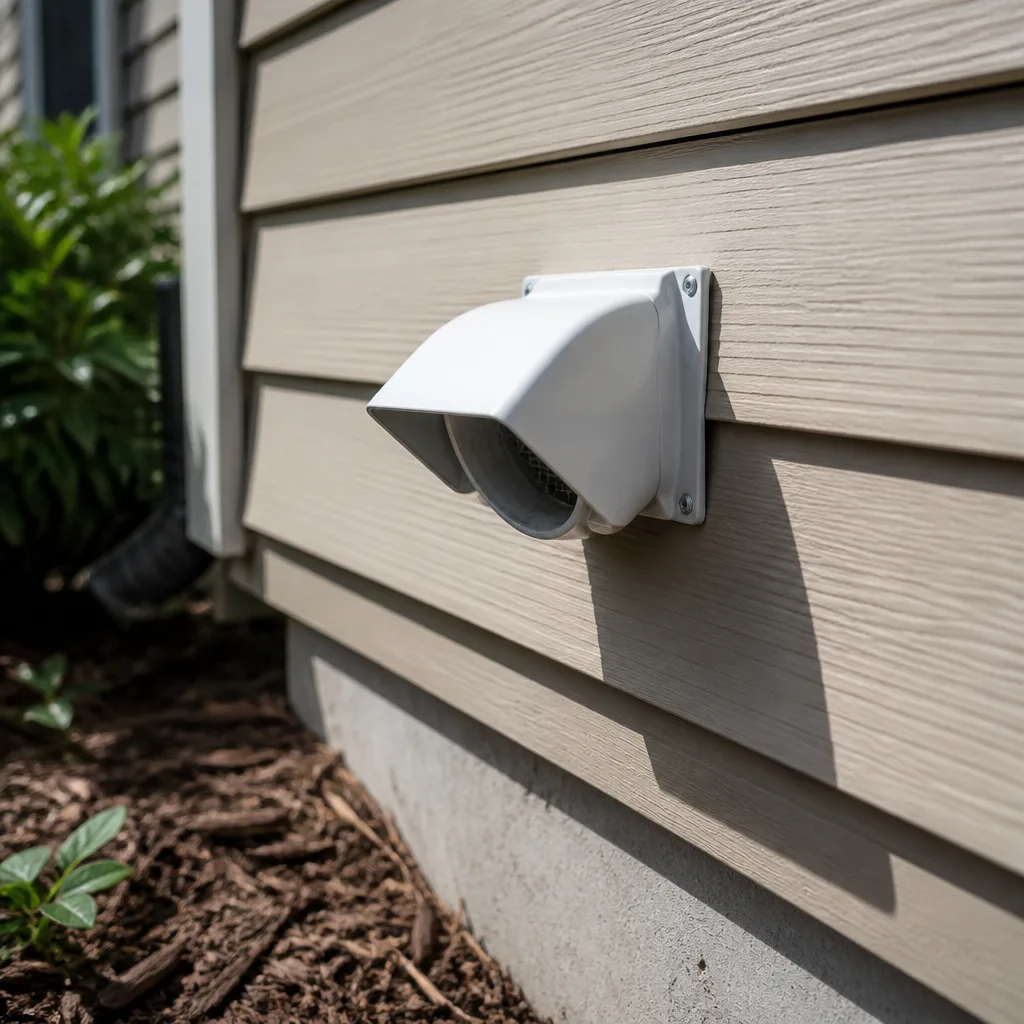 Dryer vent cleaning
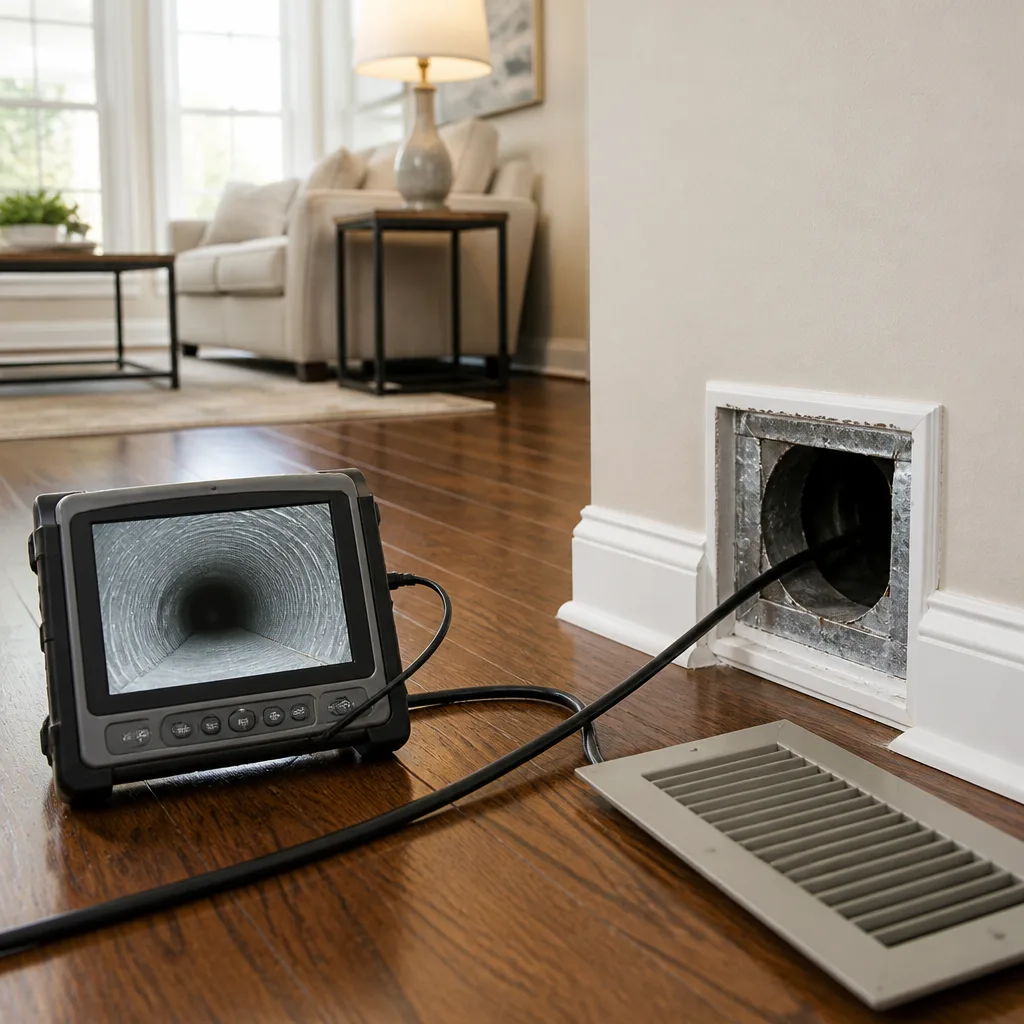 Camera inspection
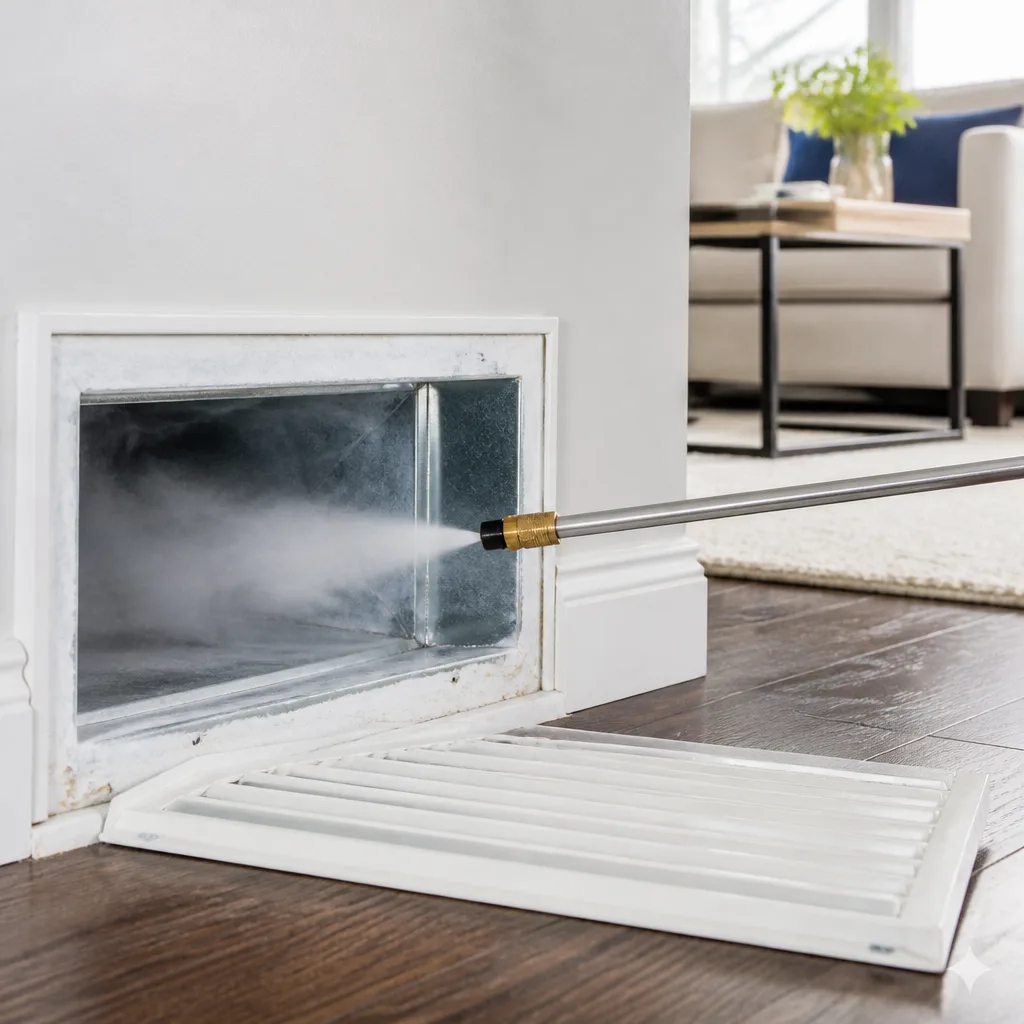 Sanitizing & deodorizing
Whole-system duct and dryer vent check with before-and-after photos - you see exactly what came out of your vents
That "$99 whole-house special" is a bait ad - the real number appears once they are in your hallway, or the "clean" is a shop-vac at the register. We photograph the inside of your ducts before and after instead.
Choosing the Right Air Duct Cleaning Brand: A Buyer’s Guide for Highland Creek
Three of the most heavily advertised duct cleaning brands operating across the Charlotte metro area don’t own a single truck-mounted vacuum system. They franchise the name, take bookings through a website, and hand the job to whichever independent operator is available that week. The brand you recognize tells you almost nothing about who shows up at your door or what equipment rolls out of the van. That gap between the logo and the actual work is where homeowners lose money and trust. In this guide we’ll walk through how to tell a franchise dispatch network from a real indoor-air-quality specialist, how to verify equipment and technician credentials yourself, and what to ask before you book anyone in Highland Creek.
Quick Answer
The right air duct cleaning company in Highland Creek is not the one with the biggest ad budget – it’s the one that can show you professional-grade equipment (Rotobrush or Nikro class), name a technician certified by NADCA and verifiable on nadca.com, and put a flat price per system in writing before anyone opens a vent. Skip any company that can’t answer those three questions plainly. Brand recognition is a poor proxy for quality in this trade.
Styles & brands we work with
- Whole-home duct cleaning
- Dryer vent cleaning
- Camera inspection
- Sanitizing & deodorizing
Table of Contents
- Why Brand Means Almost Nothing in Duct Cleaning
- National Franchise vs. Local Specialist: How to Tell Them Apart
- Equipment Disclosure: The Vetting Question Most Homeowners Skip
- Verifying Technician Credentials Separately from Company Marketing
- What a “Satisfaction Guarantee” Actually Covers
- Eight Questions to Ask Before You Book
- What Highland Creek Homeowners Should Know About Their Ducts
- Why a Locally-Rooted Specialist Usually Wins
Why Brand Means Almost Nothing in Duct Cleaning
Duct cleaning has almost no barrier to entry. A company can buy a portable vacuum, print a truck sign, and be “serving Highland Creek” by the end of the week. National franchises take advantage of that low barrier by selling the brand rather than employing the crews. When you call a 1-800 number for a well-advertised name, you’re calling a call center. The person on the phone has never seen your home and often has never met the operator assigned to the job.
We’ve seen the pattern play out across Highland Creek and the surrounding Charlotte neighborhoods repeatedly. The price quoted over the phone has no relationship to the invoice that gets handed over after the job. The technician arrives with portable equipment or in some cases with nothing more than a shop vacuum and a brush. The “seven-step process” on the website doesn’t match the work that happens in the house.
None of that means franchise names are automatically bad. It means the brand name tells you what marketing budget a company has, not what equipment or training backs the work. The real distinctions are simple:
- Equipment class: truck-mounted vacuum or professional portable system vs. a shop vacuum and a rotary brush
- Technician credential: NADCA Air Systems Cleaning Specialist (ASCS) certification held by the person in your home
- Scope of service: cleaning only, or cleaning plus sanitizing, sealing, and repair as needed
- Price structure: flat per-system estimate vs. per-vent add-ons and upsells
Base your buying decision on those four items and you’ll sidestep most of the industry’s bad actors in one pass.
National Franchise vs. Local Specialist: How to Tell Them Apart
A national franchise in Highland Creek is a name licensed to an owner who may or may not run a real duct cleaning operation. Some franchise owners are excellent and treat the equipment and training seriously. Others buy the franchise as a marketing umbrella and subcontract fulfillment to whoever answers the phone. The distinction matters because you’re hiring the same category of trade either way – you just want to know which model you’re actually getting.
Here’s a reliable way to identify what you’re hiring, whether you found the company online or through a mailer:
- Check the phone number. An 800 or 888 number routes to a call center. A local area code doesn’t guarantee local, but a toll-free number strongly suggests dispatch.
- Ask who performs the work. “Do you send your own employees, or do you subcontract?” The answer should be immediate and clear. If it involves “our network of partners,” you’re talking to a broker.
- Check the street address on the invoice. Franchise operators usually have a real local address. Dispatch networks often list a P.O. box or the address of a third-party call center.
- Search nadca.com for a nearby certified company. Locally-owned specialists tend to appear in that database. Dispatch networks usually don’t because they can’t list technician names tied to a stable crew.
- Ask what equipment is used on your specific job. A franchise with real equipment will tell you. A broker will not know.
We’re a Highland Creek indoor-air-quality specialist, not a franchise, and we’re not going to pretend that every franchise is a scam. What we’re saying is: the brand name is an unreliable signal. The questions above are reliable, and they take about four minutes to run through.
Equipment Disclosure: The Vetting Question Most Homeowners Skip
Ask any company that quotes your duct cleaning one question: “What specific equipment will you use in my house, and do you own it?” The answer separates the field fast. Renting or leasing equipment for a one-off job is a warning sign because the operator may not know how to run it correctly or how to troubleshoot the system mid-job.
The full air pathway includes ductwork, vents, register boots, the HVAC air handler, and the plenum connections. A shop vacuum can pull surface dust out of an easy straight run, but it won’t reach the debris bonded to the interior of the duct walls, and it won’t contain the dust you’re dislodging. That containment is the difference between cleaning and stirring.
Professional-grade equipment for this work typically falls into three categories:
- Rotary-brush extraction systems – Rotobrush-class equipment that scrubs the interior of the duct with a rotating brush while vacuuming simultaneously. This is the standard for residential ductwork.
- High-capacity vacuum units – Nikro-class systems built for commercial and restoration environments, capable of sustaining the airflow required during cleaning.
- Negative-air machinery – Abatement Technologies-grade equipment that keeps the work area under negative pressure so dislodged debris is captured rather than released into your living space.
When a company can name all three and describe how each is used during a Highland Creek job, you’re talking to a specialist. When the answer is vague (“we use the latest industry equipment” or “the trucks are fully equipped”), keep interviewing.
Equipment is also the reason duct cleaning should pair with duct repair and sealing. If you clean the ducts and the seams are leaking, debris re-enters through those leaks within a few months. Sealed and clean is the finish line. Cleaning without sealing is a job you’ll be paying for again.
Verifying Technician Credentials Separately from Company Marketing
Certification in this trade is held by individuals, not companies. That’s an important distinction most homeowners miss. A company page that says “certified technicians” is worth almost nothing on its own because a franchise can claim it across every location without listing a single certified person by name. What you want is the name of the technician who’s coming to your house and proof that the certification is current.
The credential that matters most is NADCA ASCS – Air Systems Cleaning Specialist. You can verify it directly on nadca.com. The site maintains a locator, and a technician or company that appears there has actually been through the training and testing. There’s no marketing department middleman.
Here’s how to check, in three steps:
- Ask for the technician’s name and certification before booking. If the dispatcher can’t provide a name, that’s information you need.
- Search nadca.com by ZIP or by name. The ASCS listing should match the person and the company.
- Confirm on the day of the visit. The technician should be able to point to their certification when asked. This is normal and reasonable – a professional expects the question.
Our technicians have up to 11 years of experience and the credentialing to match. We’re specific about that because the training and equipment skill required to clean complex residential duct systems properly is different from the training required to run a vacuum over registers. If the person you hire hasn’t been through a credentialing process, the equipment they brought won’t be used well.
What a “Satisfaction Guarantee” Actually Covers
Read the fine print on any satisfaction guarantee, and specifically look for the parts designed to be unclaimed. A guarantee that requires a written complaint within 30 days, that excludes “normal re-accumulation,” that excludes “pre-existing conditions,” and that requires you to pay for a follow-up inspection is a guarantee in name only. It exists to absorb complaint volume, not to make you whole.
Guarantees worth trusting share a few traits:
- The scope is clear. You know exactly what’s covered (for example, “if visible debris remains in any cleaned section, we return and re-clean at no charge”) and what isn’t.
- There’s no claim deadline trap. A reasonable window is stated, and the company doesn’t hide it in a bolded exclusions list.
- The remedy is real. Return visit, partial refund, or full refund – the guarantee has teeth.
- Before-and-after photos are part of the process. If a company photographs the ducts before and after cleaning, the guarantee is very nearly self-enforcing because you have evidence to compare.
We’re cautious about promising guarantees in a category where many are structured to be unclaimed. When you book with Air Duct Cleaning Highland Creek, we’ll show you the before-and-after photos of your own ducts and give you a flat price per system, agreed in writing before the work begins. What you see is what you signed off on. Ask to see any guarantee terms in writing before you book, from any company, including a national brand.
Eight Questions to Ask Before You Book
If you’re comparing companies for air duct cleaning, these questions do most of the vetting for you. Write them down. The right company answers all eight, without hesitation, and without a sales pitch around the answer.
- What specific equipment will you use in my home, and do you own it? Look for Rotobrush, Nikro, or Abatement Technologies. “Our trucks are fully equipped” is not an answer.
- Who is the technician, and are they NADCA ASCS certified? Verify the name on nadca.com before the visit.
- Do you subcontract or send your own staff? You’re looking for “our own employees.” Any variation of “our network” means you’re talking to a broker.
- What’s the flat price per system, in writing, before work starts? No per-vent pricing. No teaser coupon. A whole-system estimate.
- Do you clean the air handler, the supply and return plenums, and the register boots? Full-path cleaning, not just the accessible runs.
- What happens if you find damaged seams or leaks? A capable specialist offers duct repair and sealing. A pure cleaning crew tells you it’s out of scope.
- Will I get before-and-after photos of my ducts? The photo trail is your best evidence the job was done.
- Do you offer sanitizing if I want it? Guardsman-grade treatments are available through Air Duct Cleaning Highland Creek, and quality sanitizing is worth discussing when there’s biological growth or pet or pest history.
Bonus question, particularly relevant in Highland Creek: “Do you clean the dryer vent or just ductwork?” A dedicated dryer vent cleaning service addresses a common household fire risk. Treat it as a separate job that needs its own scope, not a line item tossed onto a duct cleaning invoice.
What Highland Creek Homeowners Should Know About Their Ducts
Highland Creek sits in the Piedmont of North Carolina, which means warm humid summers, a long pollen season that runs from late February through early spring, and HVAC systems that cycle heavily for much of the year. That combination creates a specific pattern in residential ductwork here. Pollen pulled in through the return air deposits on the interior walls of the ducts where it accumulates seasonally. Summer humidity supports biological growth on any surface where condensation gathers, usually the first few feet of duct after the air handler where the air is coldest.
What this means for duct maintenance in Highland Creek:
- Spring is the highest-pollen season here. A cleaning scheduled in late spring or early summer captures a full season’s load. Fall cleanings catch less.
- Return ducts and the air handler plenum are where most of the debris lives, not the individual branch runs in the bedrooms. Ask specifically whether the return side is covered.
- Leaky seams re-contaminate a clean system. Highland Creek homes with attic ductwork and older flex-duct connections are especially prone to this. Sealing is often the step that determines how long a cleaning lasts.
- Dryer vents deserve their own booking. In a Highland Creek house with an interior laundry room and a long vent run, lint buildup is a real fire-risk issue, not a decorative add-on to a duct cleaning invoice.
None of that is unique to Highland Creek in a dramatic way, but the timing and the emphasis are. If you schedule cleaning in April, you’re ahead of the pollen load. If you schedule in November, you’re cleaning up after it. Both are reasonable; they just ask for different expectations of what the ducts will look like when the crew arrives.
Why a Locally-Rooted Specialist Usually Wins
A locally-rooted specialist in Highland Creek usually outperforms a national brand that franchises here because the two models are structurally different. The local specialist lives in the market, uses the same equipment on every job, and can be held to the answers they gave you over the phone. The franchise dispatches work to whoever’s available, and the brand is the only consistent element between jobs.
That doesn’t mean a national brand can’t do good work. It means the specific crew doing your job matters more than the logo on the invoice. If you can verify the crew, the equipment, and the certification independently, you’re protected regardless of the brand’s size. If you can’t verify any of those, the brand is doing the reassuring for you and nothing else is backing it up.
We care about Highland Creek as a specific place, and we think that shows in how we scope jobs. A house in one Highland Creek neighborhood may need only cleaning and a quick seam check. A house in another may need cleaning, sanitizing, and a full sealing pass on the attic runs. Same post office, different scope. A company that quotes both homes from the same template isn’t really looking.
If you already have HVAC work in mind beyond duct cleaning, HVAC cleaning covers the coil and unit side of the air pathway. Ductwork and equipment are one connected system, and cleaning one without the other leaves debris behind. If you’re planning the full scope in one pass, that’s a reasonable call.
Common Mistakes to Avoid
- Booking on the phone quote alone. Phone quotes for duct cleaning very often have no relationship to the invoice. Insist on a flat price per system, in writing, before anyone opens a vent.
- Assuming a big brand means big equipment. Some of the most heavily advertised names in the Charlotte metro don’t own a single truck-mounted unit. Ask the equipment question and don’t accept a vague answer.
- Ignoring NADCA certification. Verification is free and takes two minutes on nadca.com. Skipping it is the most common way Highland Creek homeowners end up with an uncertified technician in their home.
- Cleaning without addressing leaks. Clean ducts with leaking seams re-contaminate within a few months. If the company doesn’t offer sealing, they’re leaving the job half-finished.
- Treating dryer vent cleaning as an add-on. Lint accumulation in a Highland Creek dryer vent is a fire-risk issue. Book it as a dedicated service, not a footnote on a duct invoice.
- Paying per-vent. Per-vent pricing rewards the company for counting vents, not cleaning the system. Whole-system flat pricing is the structure that protects you.
- Skipping the before-and-after photos. A photo of your own ducts before and after cleaning is your proof the work happened. Ask for it.
See the difference
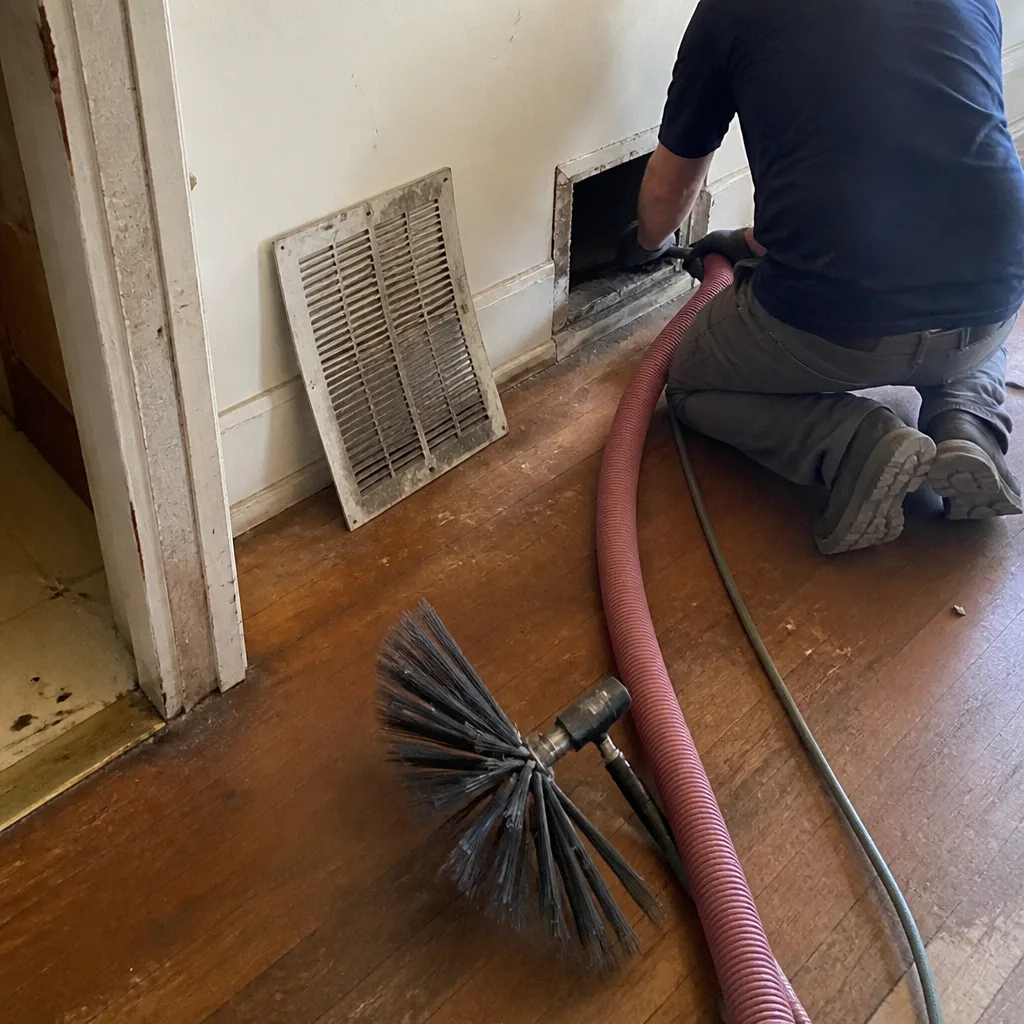 Before
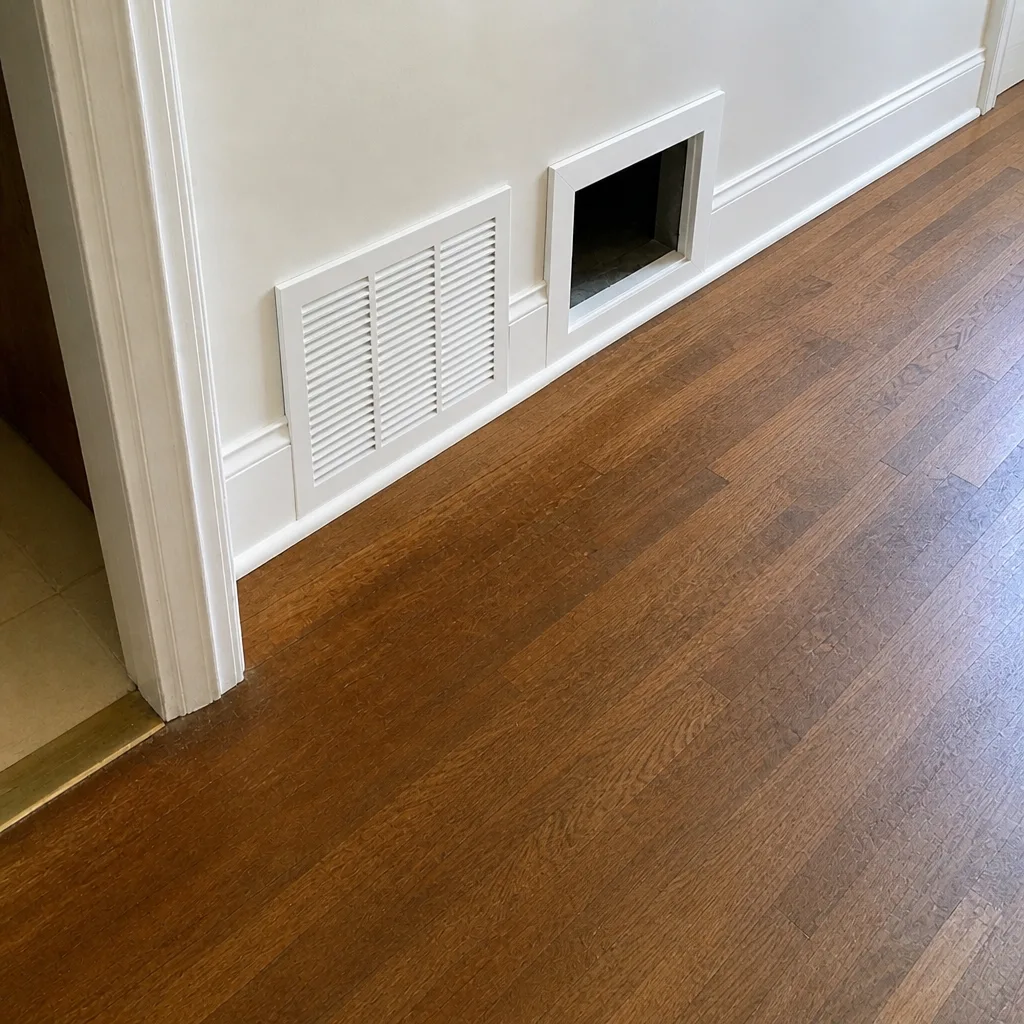 After
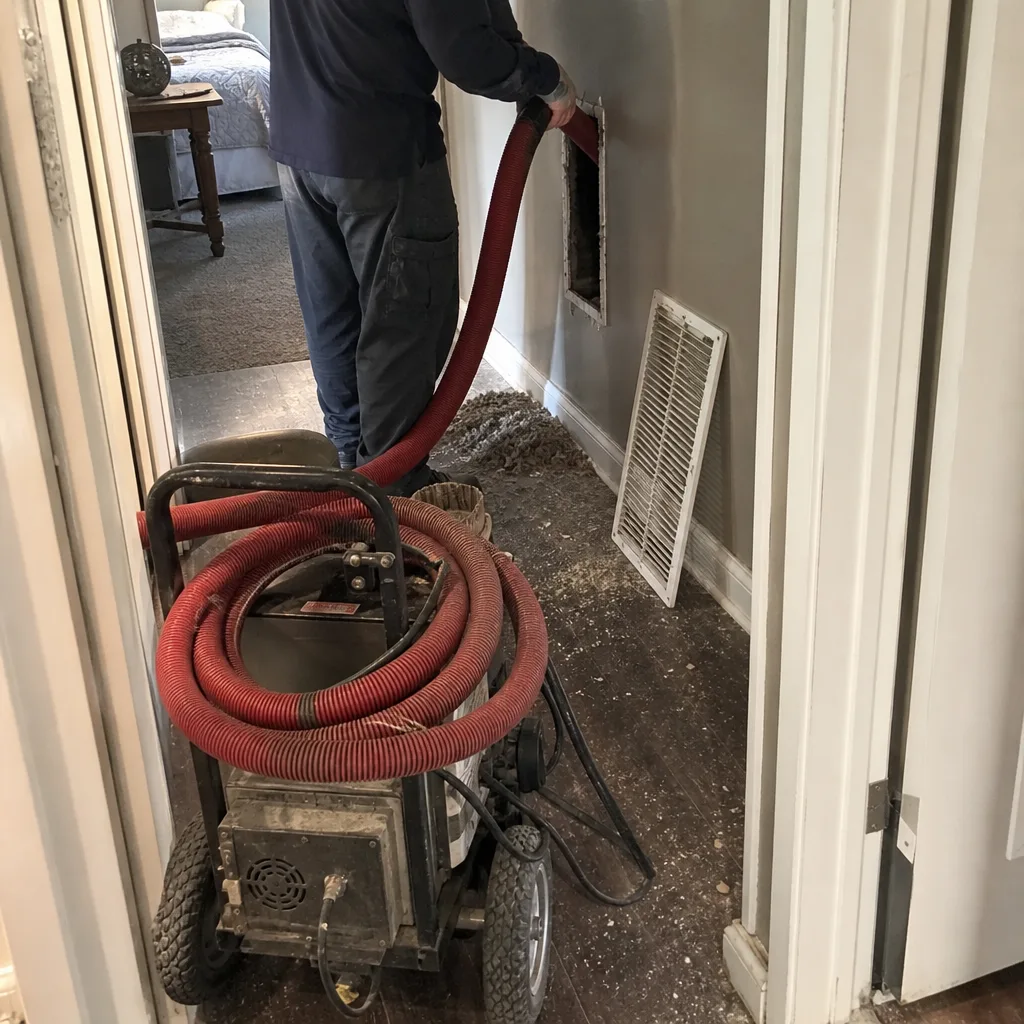 Before
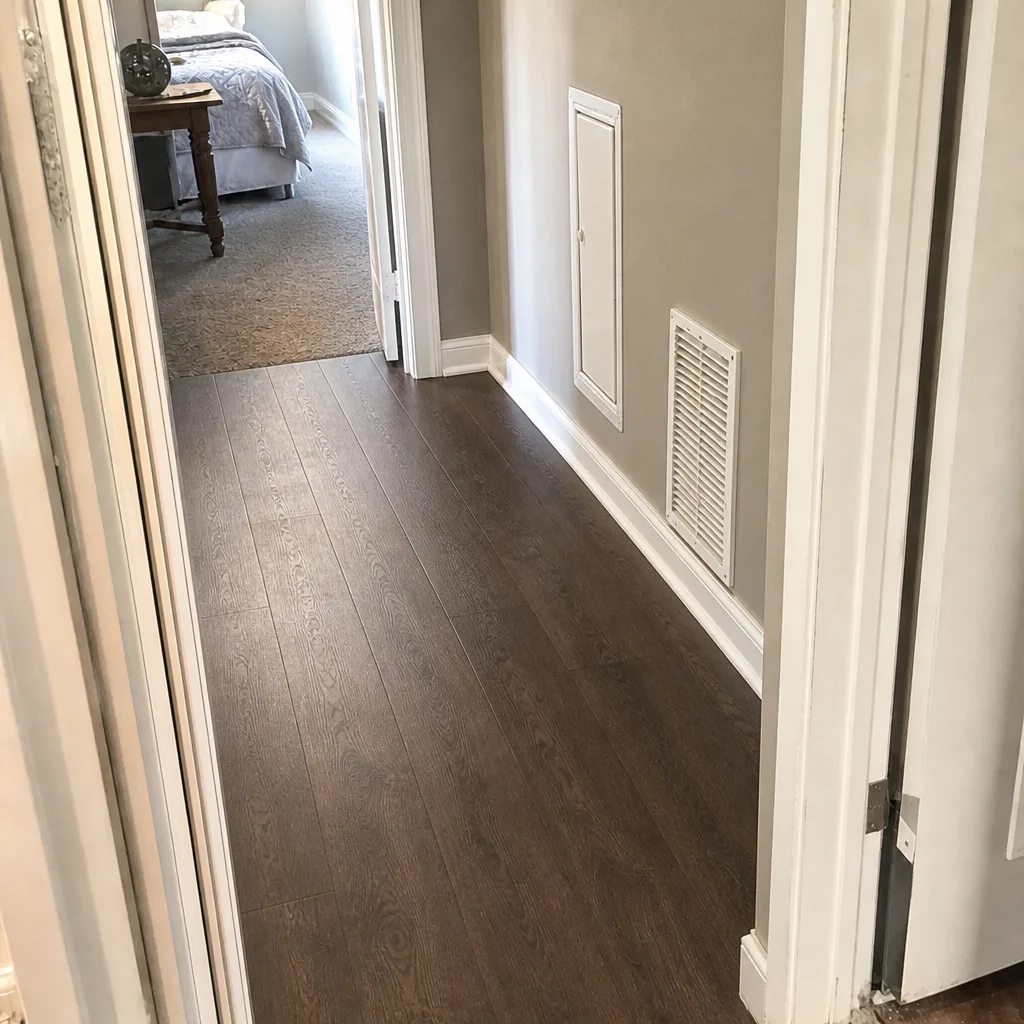 After
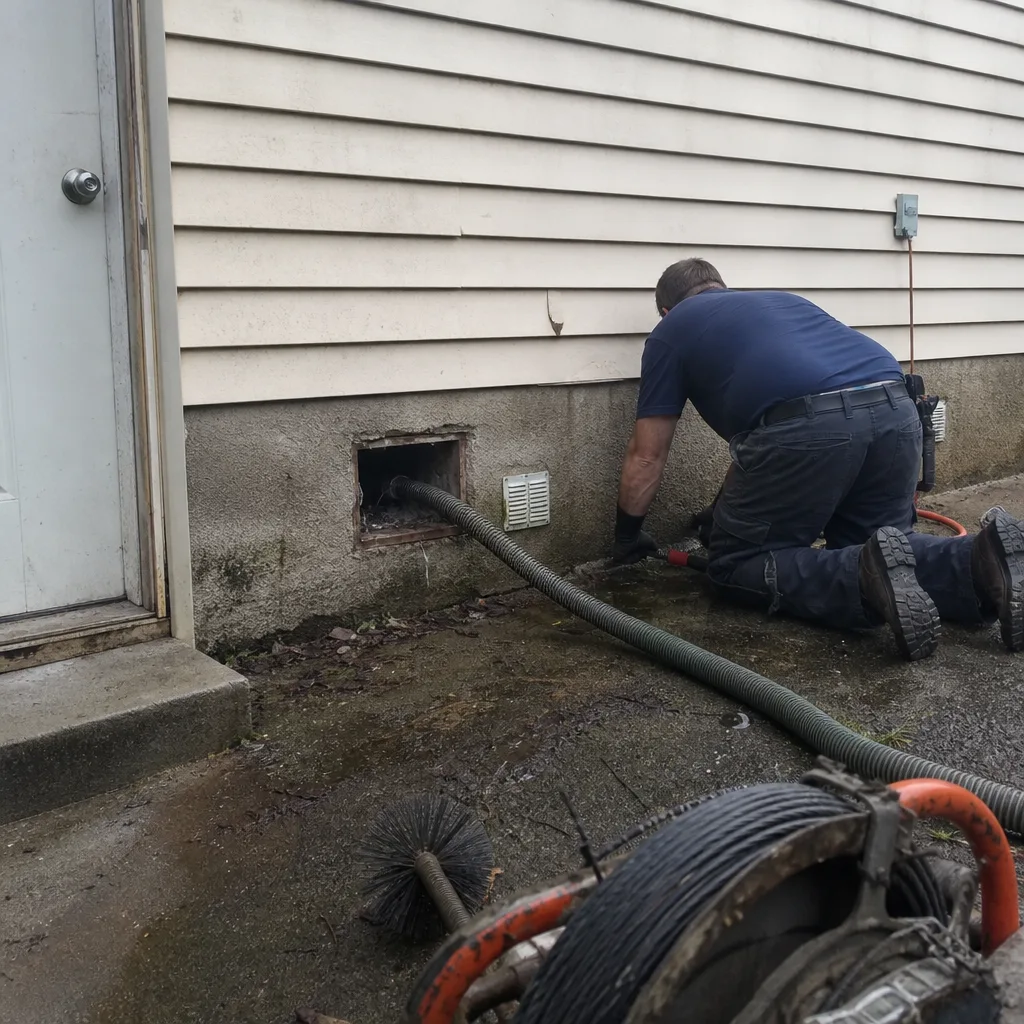 Before
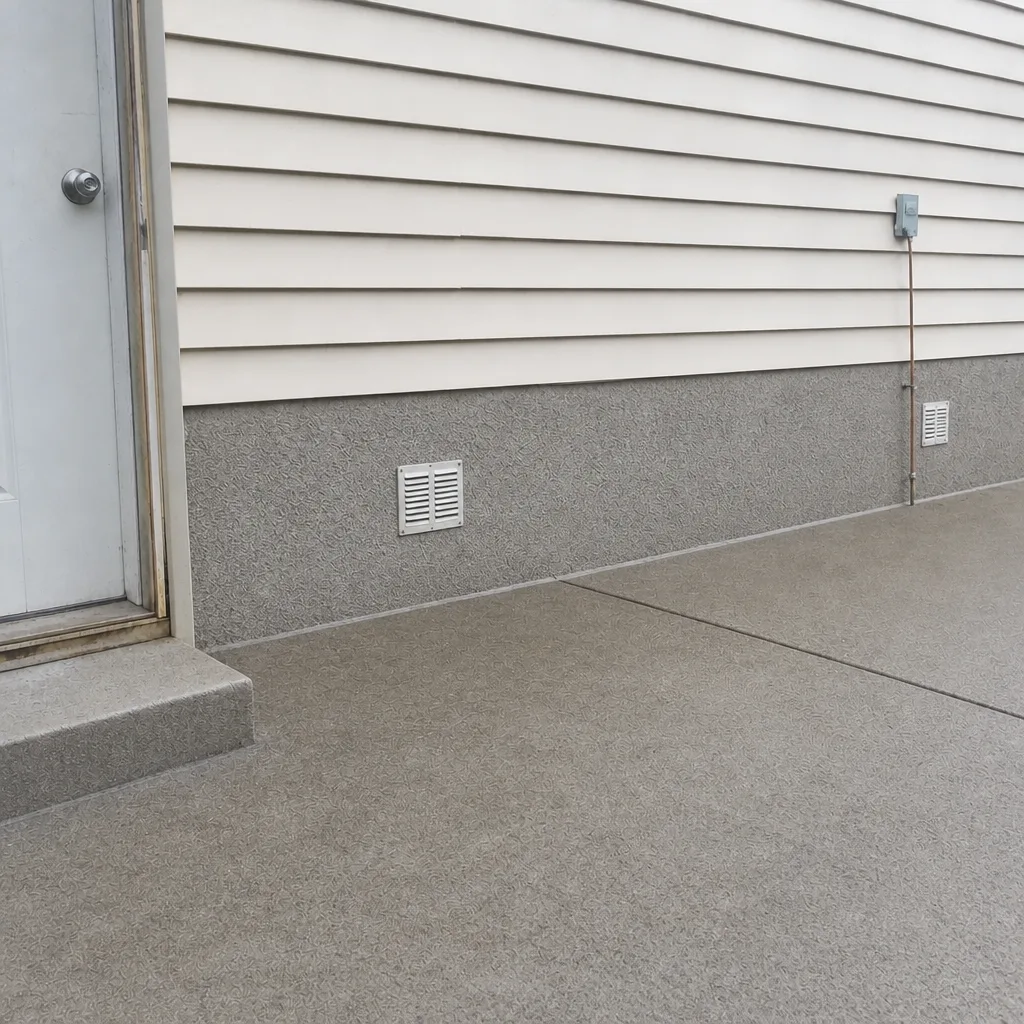 After
When to Call a Professional
Call a professional duct cleaner when you notice persistent dust settling on surfaces within a day or two of cleaning, when allergy symptoms get worse inside the house than outside, or when a musty odor comes from the registers every time the system kicks on. Visible mold inside the ductwork or around the vents, pest or rodent history in the attic runs, or a recent remodel that produced heavy drywall dust are all clear signals. Inconsistent airflow between rooms, especially when one bedroom stays noticeably warmer or cooler than the rest of the house, points to leaks or blockages worth investigating. And a dryer that takes significantly longer than it used to is a fire-risk indicator that warrants a dryer vent inspection. Air Duct Cleaning Highland Creek offers free estimates in Highland Creek. Call (855) 323-8125. We answer 24/7. Fast dispatch from 7am to 7pm, Sunday through Friday.
Frequently Asked Questions
Duct cleaning in Highland Creek is priced per system, not per vent, and the exact figure depends on the number of systems in the home, accessibility of the ductwork, and whether sealing or sanitizing is included. We give a flat price in writing before work starts, so the number you agree to is the number on the invoice. Call (855) 323-8125 for an exact quote – estimates are free.
Low quotes usually mean lower equipment class, per-vent upcharges once the technician is on site, or a scope that skips the return ducts and air handler entirely. A shop vacuum and a brush can be priced cheaply because it doesn’t do the same job as a Rotobrush or Nikro system with negative-air containment. Ask what equipment is being used and what the written estimate actually covers before comparing prices. Call (855) 323-8125 for a flat-price estimate you can compare honestly.
You know because the crew shows you before-and-after photos of your own ducts, and because the flat price you agreed to matches what you’re billed. A professional duct cleaning job is documented, not described. If a company can’t produce photos of the ducts before and after cleaning, ask why before you book.
For most Highland Creek homes, cleaning every few years is reasonable, and the timing argument favors a late-spring or early-summer schedule so you capture the pollen load. Homes with pets, recent remodels, pest history, or visible dust issues often benefit from a faster cycle. Nobody can give you a universal number that fits every house – and if a company does, ask what inspection they did to reach that conclusion.
Certification isn’t universally mandated by law for duct cleaning, but NADCA ASCS is the credential that demonstrates the technician has been trained and tested to a known standard, and it’s verifiable on nadca.com by name. Because it’s held by individuals and not companies, the question to ask isn’t “are you certified” but “who is the technician, and are they on nadca.com?” That distinction filters out most marketing-only claims.
We use Rotobrush rotary-brush extraction, Nikro high-capacity vacuum units, and Abatement Technologies negative-air equipment – the equipment class used by commercial and restoration contractors. We also install and service Honeywell and Aprilaire air-quality products, so the full air pathway gets handled in one scope. Call (855) 323-8125 and we’ll walk through exactly what equipment class your home needs – the estimate is free.
The Bottom Line
The brand on the invoice matters less than the equipment class, the technician’s name on nadca.com, and a flat price per system in writing. That’s the short version of this guide, and it’s the one that protects Highland Creek homeowners from the most common failure modes in this trade. Verify the equipment, verify the person, verify the price structure before anyone opens a vent. Franchise names aren’t automatically bad, and local names aren’t automatically good – but locally-owned Highland Creek specialists who can answer the eight vetting questions beat a dispatch network almost every time, because the answers they give you actually bind the crew that shows up. Call (855) 323-8125 for a free estimate. We answer 24/7. Fast dispatch from 7am to 7pm, Sunday through Friday. Closed Saturday.
Written by the team at Air Duct Cleaning Highland Creek.