
Last updated November 23, 2026
 Whole-home duct cleaning
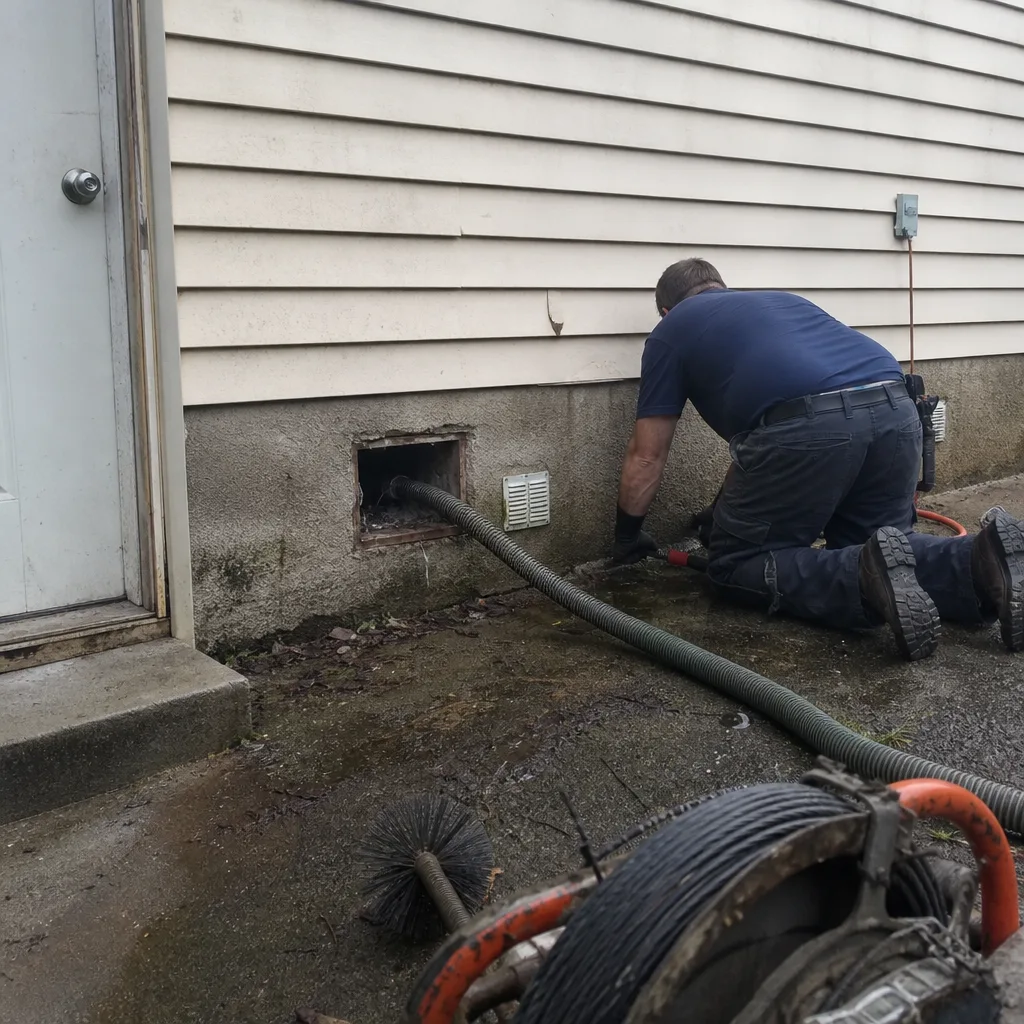
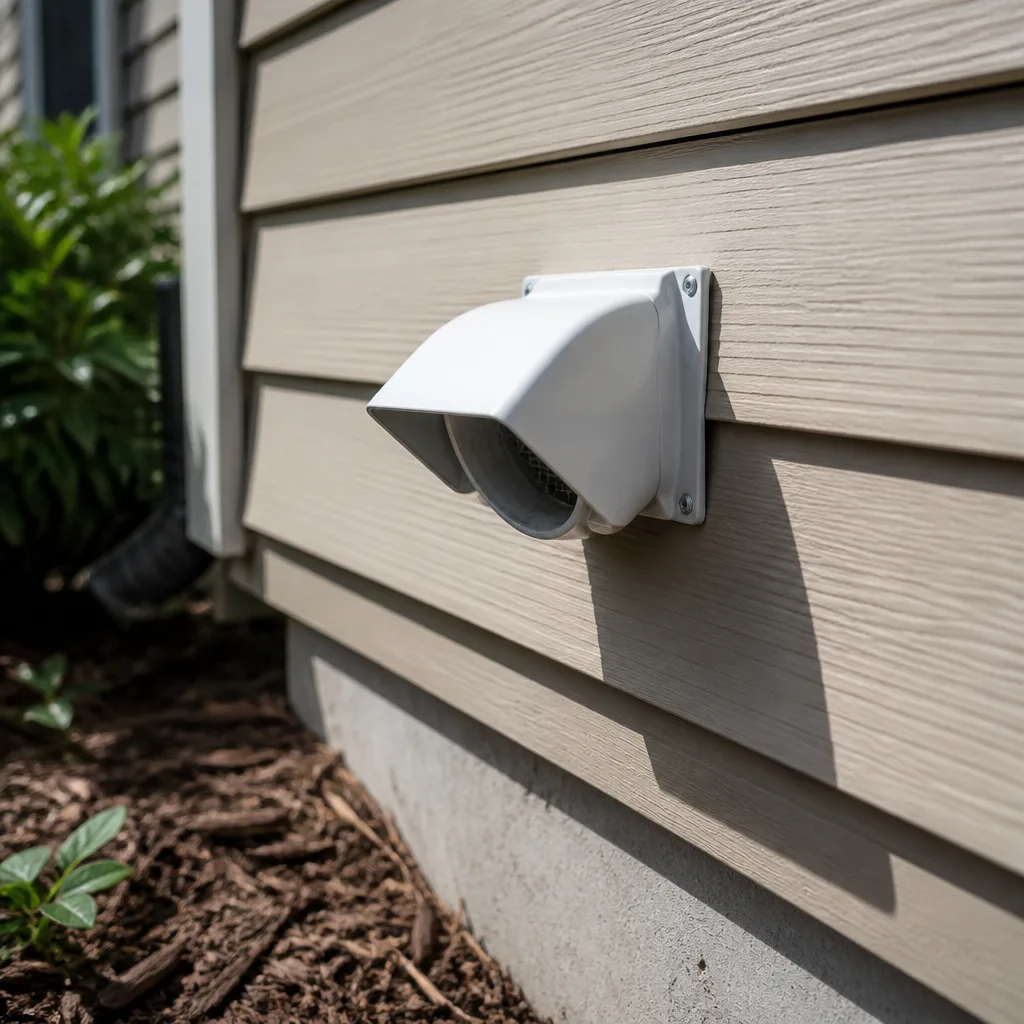 Dryer vent cleaning
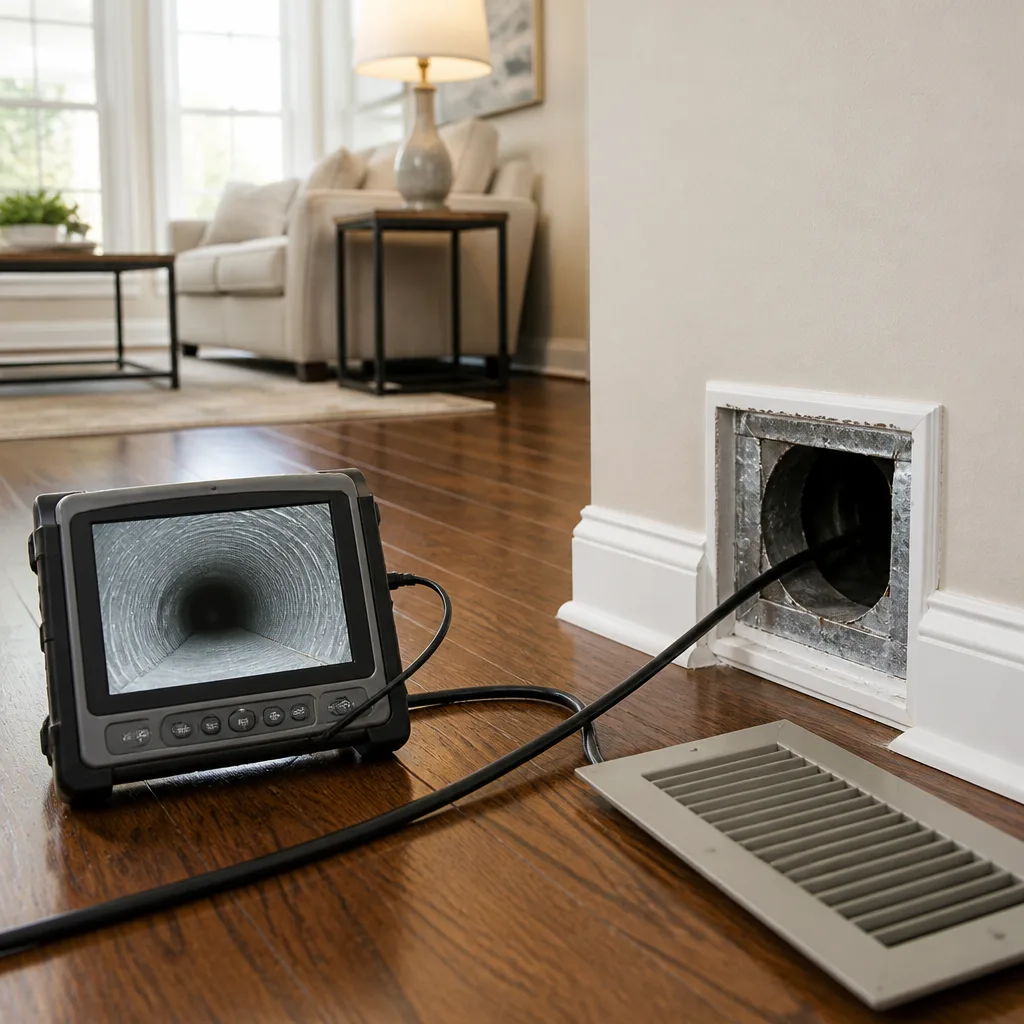 Camera inspection
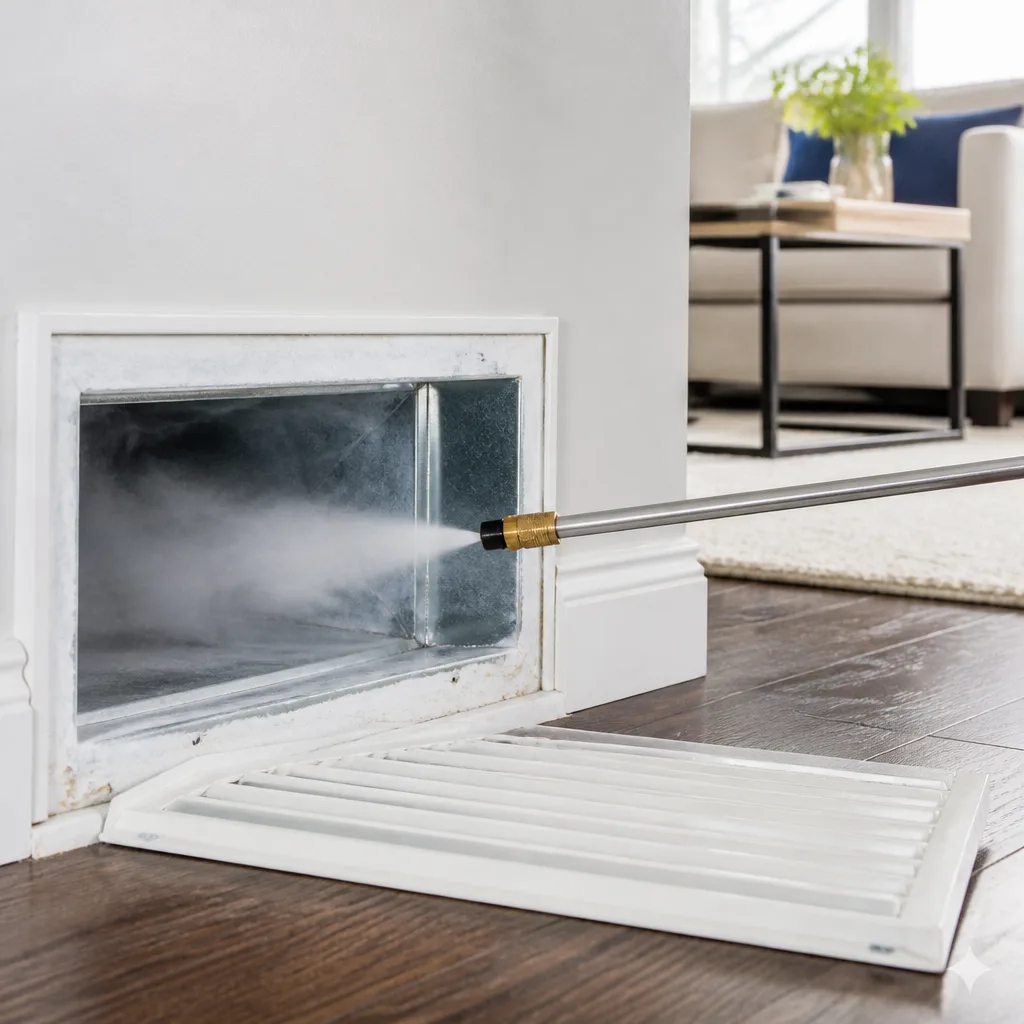 Sanitizing & deodorizing
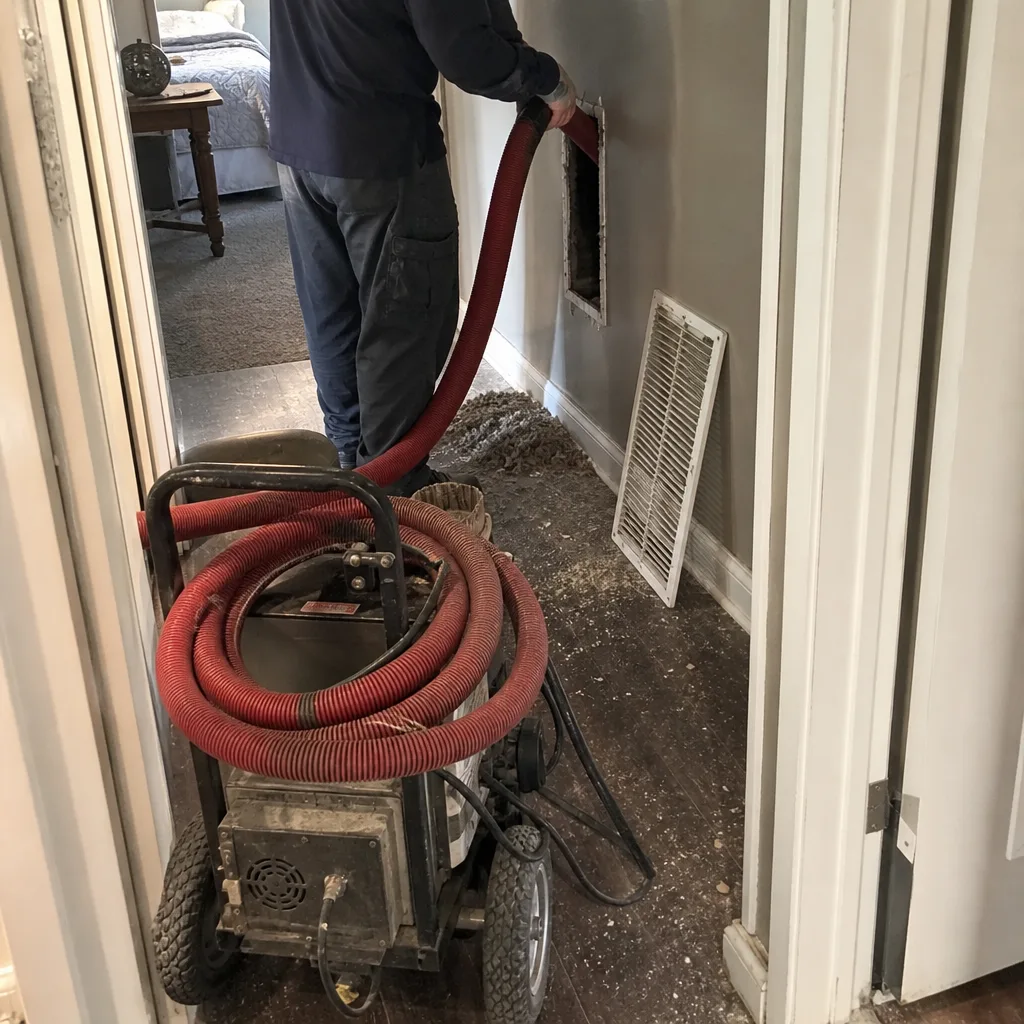
Whole-system duct and dryer vent check with before-and-after photos - you see exactly what came out of your vents
That "$99 whole-house special" is a bait ad - the real number appears once they are in your hallway, or the "clean" is a shop-vac at the register. We photograph the inside of your ducts before and after instead.
Air Duct Cleaning Maintenance Checklist for Highland Creek Homeowners
Most homeowners call for duct cleaning after something goes wrong. A smell, a rash of sneezing, a visible puff of dust from a register, a filter that keeps collapsing. By then, whatever is growing or collecting inside the system has been circulating through the house for months, and the job has often grown from routine cleaning into something closer to remediation. The checklist in this guide works the other way around. It turns duct maintenance into a monitoring routine you can run yourself between professional visits, so the early signals get caught while they’re still small. We’ll cover what to look at, what each sign means, and what’s worth documenting in Highland Creek.
Quick Answer
An air duct maintenance checklist is a set of monthly and seasonal inspections a homeowner performs at supply and return registers, on the filter, and at the outdoor and indoor HVAC equipment, paired with a documented cleaning interval and a written record of what changes. In a Highland Creek home, the core routine is 15 minutes a month: look at both sides of every register, photograph the first stretch of each duct run, and log your filter’s condition and date. Anything that shows up two checks in a row, or anything that looks wet, fuzzy, or oddly colored, is worth a professional look.
Styles & brands we work with
- Whole-home duct cleaning
- Dryer vent cleaning
- Camera inspection
- Sanitizing & deodorizing
Table of Contents
- The Monthly Register Inspection Routine
- Reading Dust: Color and Texture Tell You What’s Collecting
- Building a Photo Record of Your Duct Runs
- Tracking Your Filter Like a Maintenance Log
- The Highland Creek Seasonal Checklist
- What to Document Before a Professional Cleaning
- Common Mistakes to Avoid
- When to Call a Professional
The Monthly Register Inspection Routine
Fifteen minutes once a month, with a flashlight and a step stool, catches more than most homeowners expect. The point isn’t to clean anything. It’s to notice change. A register that looked one way last month and looks different now is telling you something about your air pathway: the ducts, the vents, the HVAC unit itself, and the seals between them.
Work through the house in the same order each time so you’re comparing like with like. For each register on your list:
- Remove the grille if it lifts or unscrews easily. If it doesn’t, don’t force it.
- Shine the flashlight into the throat of the duct and look at the first visible stretch.
- Check the supply registers (air blowing into the room) and the return registers (air going back to the system). They behave differently and collect different things.
- Look at the grille itself, both the room-facing side and the back side where it sits against the wall or floor.
- Note the condition in one line on a notepad or your phone: clear, light dust, heavy dust, dark deposit, moisture, odor, pet hair.
Returns typically load up faster than supplies. That’s expected. A return carrying a heavy mat of dust after a month of ordinary living is a normal finding in a busy Highland Creek household; a supply register suddenly throwing visible dust when it was clear last month is not. That’s the kind of change that points to a leak, a disconnected joint, or debris that’s been disturbed somewhere upstream.
Keep the routine brief and consistent. Homeowners who inspect once and then forget for a year end up with no comparison points, which makes the whole exercise useless. Put it on the same day you change the filter and it becomes automatic.
Reading Dust: Color and Texture Tell You What’s Collecting
Dust isn’t a single substance. What lands in your ductwork is a mix, and the mix changes depending on what the house, the yard, and the system are doing. Learning to read the difference is the core skill in this checklist, because it tells you whether you’re looking at normal household load or something that needs a professional’s eyes.
What the signs usually mean
- Fine, light gray, dry dust: ordinary household accumulation. Fibers from clothing and textiles, skin cells, and outdoor particulate that made it inside. Expect it, log it, don’t worry about it.
- Dark gray or black film, especially on the grille face: often soot from candles, cooking, or a fireplace, and sometimes the kind of deposit that forms near a poorly vented appliance. Worth a professional check.
- Reddish-brown or rust-colored staining: a moisture signal, not just dust. Note where it is and call.
- Fuzzy, stringy, or web-like buildup: pet hair, or in some cases microbial growth. Growth usually needs moisture to take hold, so if you see it, look hard at the surrounding area for dampness.
- Yellowish fiberglass or mineral grit: often a sign that the duct liner or the joint sealant is breaking down. That’s a duct repair question, not just a cleaning one.
- Fine white powder: could be construction dust, drywall residue, or efflorescence from moisture. Note it and let a technician identify it.
- Visible debris chunks or crumbs: something has broken loose. Builder debris left in new construction, a failed inner liner, a pest problem, or a collapsed joint can all produce this.
Texture matters as much as color. Dry dust that wipes off cleanly is the routine case. Dust that feels tacky, clumps, or stains whatever it touches suggests moisture somewhere in the system, and moisture is the single most important thing to chase down. A wet interior in a duct or an air handler is where contamination problems start.
Where to look in a Highland Creek home
Highland Creek’s climate gives dust its own character. The long warm season means the system runs hard for much of the year, and a house that’s closed up against the heat and the pollen is a house with more recirculating air and less natural ventilation. Spring pollen lines the return-side surfaces. Summer humidity cycles stress the system’s ability to keep the coil and the ducts dry. Both leave a signature in what collects at your registers, and both are reasons to log what you see rather than just wipe it away.
Building a Photo Record of Your Duct Runs
A smartphone camera and a flashlight turn guesswork into evidence. The habit is simple: photograph the first 12 inches of every duct run you can reach, from the same angle, each time you inspect. Three or four visits later you have a visual timeline of your own system, which is far more useful than anyone’s memory.
Here’s how to build a record that actually works:
- Pick a reference point. Choose one register in the house, ideally the return, and use it as your fixed comparison point for every photo. Same angle, same distance, same lighting.
- Photograph the visible run. Remove the grille and shoot straight down the duct as far as the flashlight reaches. Turn off the flash and use the flashlight as your light source so the interior reads clearly.
- Photograph the grille face and back. Both sides. The back of a grille holds deposits the front doesn’t.
- Label by location, not by date. Name the photos by room and register so they sort together over time, then add the date.
- Keep the set in one folder so you can scroll through months side by side.
- Photograph the filter too. More on that below.
This is where most homeowners get real value from the checklist. Before-and-after photos are the standard for a professional cleaning, and you can hold a contractor to that standard only if you have a “before” of your own. The same record also tells you when the system is quietly getting worse, which is the case that generic advice about annual cleanings never catches.
Sensible safety note while you’re doing this: stay away from the electrical panel, gas lines, and any part of the heating equipment you’d have to open to reach. Never reach into an air handler near a running blower. Photograph what’s visible from the register and let a technician handle anything past that.
Tracking Your Filter Like a Maintenance Log
The filter is the cheapest diagnostic tool in the house, and most people replace it on a vague schedule without looking at what it’s telling them. Treat it as a record instead of a chore.
Every time you change or check the filter, note three things: the date, the number of days since the last change, and how the filter looks. Use consistent words so the log stays useful: light dust, moderate, heavy, matted on one side, dark, damp, pleats collapsing, filter sucked out of position.
The value comes from the pattern over time. A filter that normally reaches “moderate” at eight weeks but reaches “heavy” at four is telling you something has changed. Common causes include:
- Duct leakage on the return side. A leak in the return duct pulls attic or crawlspace air straight into the system, loading the filter faster.
- Unsealed connections or a disconnected run. Debris from a crawlspace or garage entering the system will show up at the filter.
- Construction, renovation, or road work nearby. Temporary, but worth noting so you don’t overreact.
- A blower or pressure problem. Abnormal loading, or the opposite, a filter that stays mysteriously clean, can both point at airflow issues.
Filter selection matters as much as tracking it. Use the filter your system’s manufacturer specifies. Going to a higher filtration rating than the equipment is designed for can raise the pressure drop across the system and reduce airflow, which shows up as uneven cooling and an overworked blower. If you’re upgrading intentionally, that’s a conversation with a professional, not a swap you improvise.
How to log it so it’s actually useful
A note on the calendar works. A note stuck to the air handler works. So does a photo of the filter next to a coin or a ruler for scale, since a picture of the filter’s loading pattern is often more telling than a written description. Whichever you pick, do it every time. The whole point is the trend line.
The Highland Creek Seasonal Checklist
Beyond the monthly routine, the calendar drives specific checks in this part of North Carolina. The pattern here is long humid summers, a noticeable pollen season, and a stretch of cold in winter that puts the system into heating mode. Each transition is a moment to look at different things.
Spring: pollen infiltration checks
- Inspect return registers first. Pollen arrives with outdoor air, and the return is where it lands.
- Look at window and door seals, the attic access, and any return duct that runs through an unconditioned space. Loose seals let outdoor air in.
- Photograph filters during peak pollen. A faster loading rate in spring is normal, but a dramatic change is worth a note.
- Check the outdoor condenser area for debris around the unit, and the seal where the lineset enters the house.
Late summer: post-humidity cycling
- After the hottest stretch, check for any musty or earthy odor, especially when the system first starts. Odor means look further.
- Look at the air handler, the coil area, and the drain pan for standing water or staining. This is a look-only check; those components open up for trained technicians.
- Inspect the grilles and the visible duct interior for rust staining or dark spotting.
- Recheck the filter log for a loading pattern change.
Pre-heating season: before the furnace runs hard
- Do a full visual walk of every register before heating season begins, and photograph the standard set.
- Note any evidence of pests: droppings, shredded material, or fine debris that wasn’t there last month. Rodents use duct runs, and their presence is a contamination issue.
- Check that all grilles are still secure and sealed against the wall or floor. Gaps around a grille are effectively leaks.
- Confirm the filter log is current and the filter is the right one for the season ahead.
- If you have a fireplace or wood stove, look for soot staining near returns on the same floor.
These seasonal items overlap the monthly routine deliberately. The monthly check is the heartbeat; the seasonal items are the deeper look at the moment the system switches modes.
What to Document Before a Professional Cleaning
The biggest gap we see in this trade is the absence of a baseline. A homeowner who has no record of what the system looked like beforehand has no way to judge whether a cleaning did anything. Documentation is how you compare results and hold the contractor accountable to actual improvement, not just a receipt.
Before the visit, assemble the following:
- Your photo series. The standard registers, the grille faces, and the first 12 inches of each accessible run. This is your “before” set.
- Your filter log. Dates, intervals, and appearance notes. Unusual loading rates are useful context for the technician.
- A written list of the symptoms that led to the call. Dust settling on furniture faster than usual, allergy symptoms that appear only at home, a musty smell, uneven airflow between rooms, a whistling or vibrating register. Be specific about when it happens.
- Any moisture, staining, or pest evidence you’ve found, with its location noted.
- Your home’s layout basics. How many returns, how many supplies, where the air handler sits, whether ducts run through an attic or crawlspace. It helps the technician plan a contained cleaning.
- Questions in writing. What equipment will be used, whether the system’s interior will be sealed before cleaning, how the crew will protect the living space, and how they’ll show the results afterward. Ask for before-and-after photos of your own ducts, not a demo video.
Airtight cleaning starts with the right equipment. Professional crews use rotary-brush collection systems and high-volume vacuum units, both of which are standard in commercial and restoration environments, plus negative-air machines that keep the work area under contained pressure so debris leaves the building rather than settling in your rooms. Rotobrush and Nikro are the two names you’ll most often see on that equipment. If a quote is priced like a quick vacuum-and-go visit, the equipment list is the reason.
Documentation also protects you when the request is bigger than cleaning. Duct sealing changes everything downstream, because a sealed system holds the new level of cleanliness instead of pulling dust back in within months. Leaks found on the day of a cleaning are routinely the reason a system looks dirty again quickly. Ask whether sealing is included, and get it in writing either way.
Common Mistakes to Avoid
- Inspecting once and never again. A single check is a snapshot with nothing to compare against. The whole value of a monitoring routine is the second and third visit, when change becomes visible.
- Wiping a register and calling it clean. Cleaning the grille removes the evidence without addressing the duct behind it. Note the deposit first, photograph it, then ask what caused it.
- Chasing debris with a shop vac and reaching into the duct. Poking around inside a duct run risks damaging the liner, disconnecting a joint, and pushing debris further along. That turns a cleaning into a repair.
- Ignoring the return side. Returns are where the load lands. A homeowner who only looks at supply registers sees a fraction of what’s actually in the system.
- Upgrading to the thickest filter available. A filter the system wasn’t built for can strangle airflow and strain the blower. Match the filter to the equipment, then log the results.
- Not photographing before a professional visit. Without your own “before,” you have nothing to measure the contractor’s “after” against, and before-and-after photos of your own system are the standard worth insisting on.
- Treating a cleaning as the finish line. Cleaning a leaky system without addressing the leaks tends to leave you back where you started within months. Cleaning plus sealing is what makes the result last.
When to Call a Professional
Some findings belong in a professional’s hands. Call us when you see moisture, rust staining, or a musty smell anywhere in the system, even if the ductwork looks clean otherwise. Call when a filter loads dramatically faster than its own history, or when airflow between rooms has gone uneven. Call when you find pest evidence, visible debris chunks from a failed joint or liner, or fuzzy growth on a register. Call if you can see dust blowing from a supply when the system starts, or if symptoms in the house consistently improve when the system is off. And call if the system hasn’t had a documented cleaning in years and you have no idea what’s inside it.
Air Duct Cleaning Highland Creek offers free estimates in Highland Creek. Call (855) 323-8125. We answer 24/7, with fast dispatch from 7am to 7pm, Sunday through Friday. The work is done by independent local professionals who are licensed and insured as their state requires, and our technicians have up to 11 years of experience. You’ll get one flat price per system, agreed before work starts, and before-and-after photos of your own ducts when the job is done.
See the difference
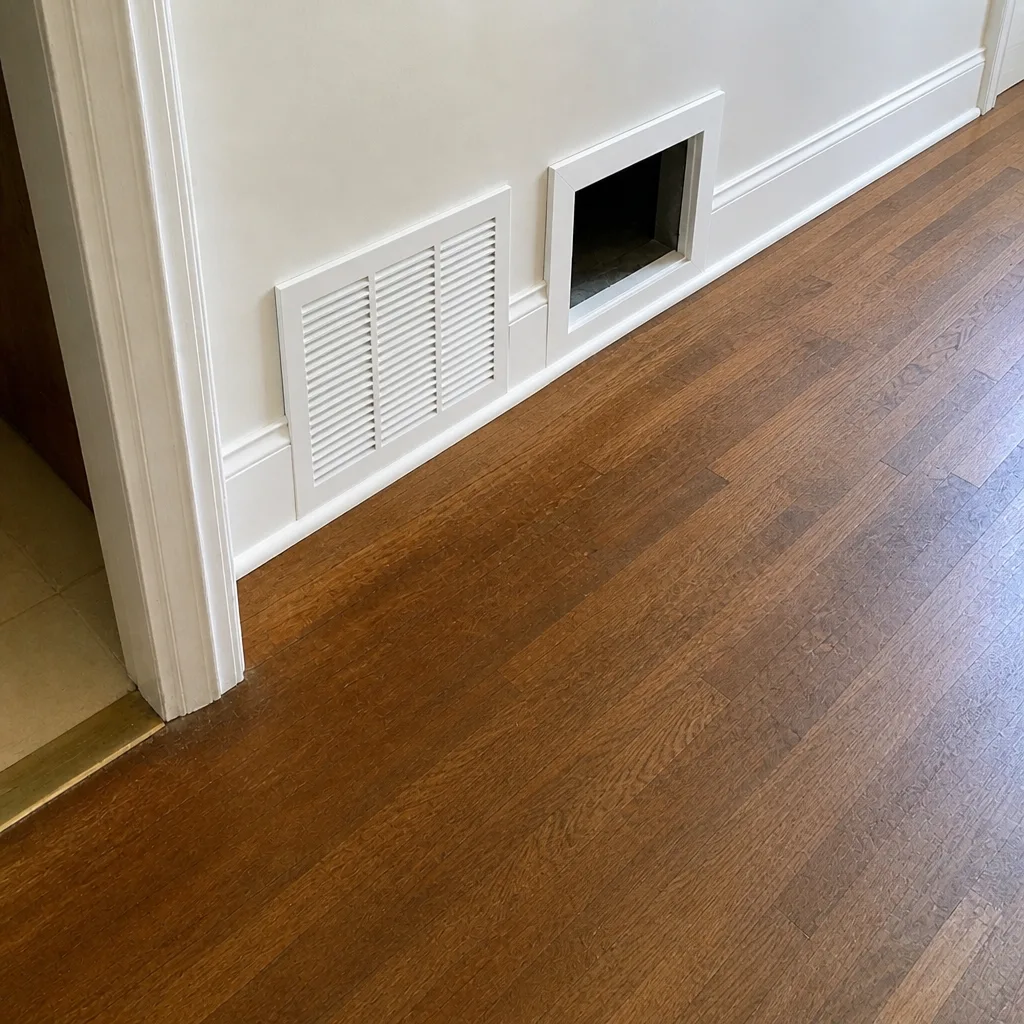
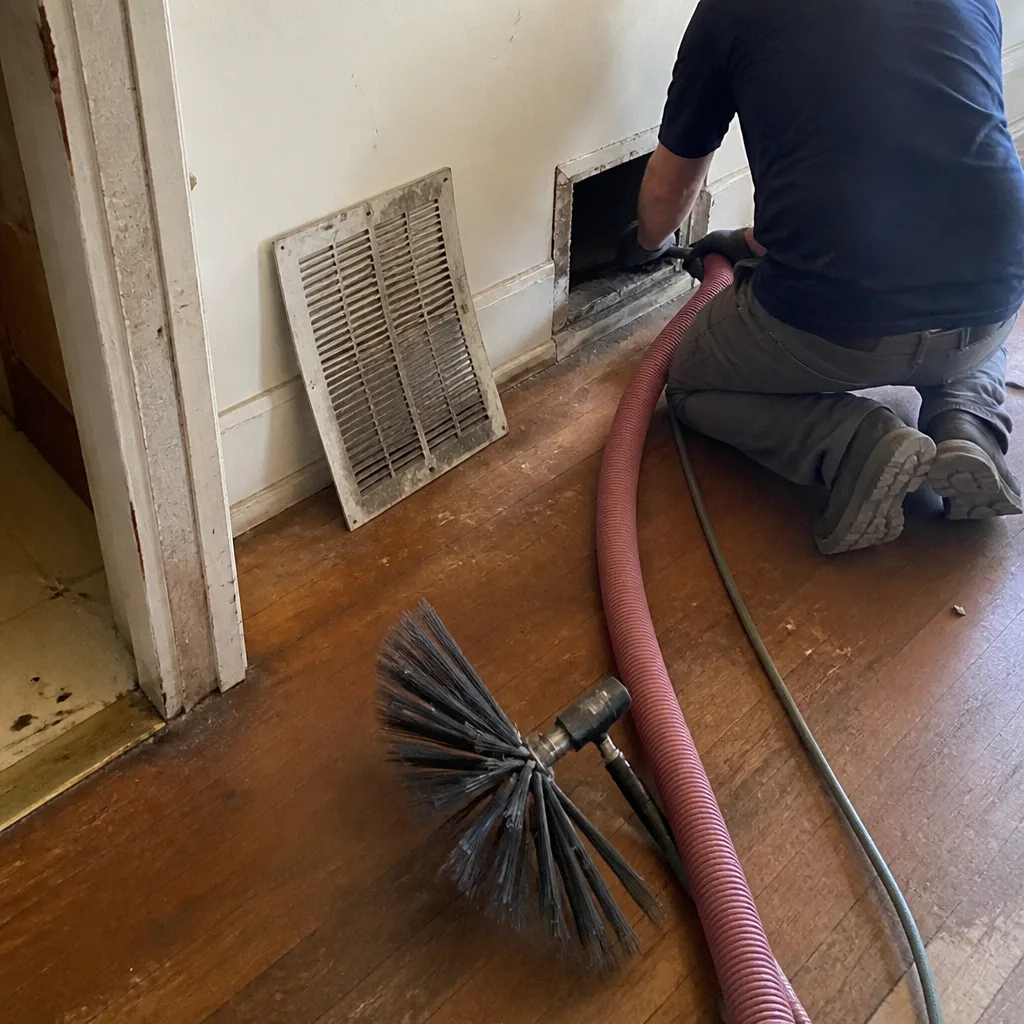 Before
 After
 Before
 After
 Before
 After
Frequently Asked Questions
For most Highland Creek homes, a documented cleaning every few years is reasonable, with the exact interval driven by your own inspection records rather than a fixed calendar. Homes with pets, recent renovation, allergy sufferers, or a system that’s never been sealed tend to need it sooner. The checklist in this guide tells you when the system is moving from normal load to something heavier, which is a better trigger than a blanket rule.
Dry, light, uniform dust is normal household accumulation; moisture, rust staining, dark film, fuzzy growth, and unusual debris are the signals that point to a deeper problem. Color and texture are the fastest read: tackle tacky, clumping, or discolored deposits as a question for a professional. If you’re unsure, photograph what you see and call us at (855) 323-8125. Estimates are free.
No. A shop vac reaches the first few inches of a register and can’t contain or extract debris from the length of the system, and pushing a vacuum hose into a run risks damage. Professional cleaning uses rotary-brush extraction and negative-air equipment to pull material out of the system rather than stir it up. Leave the interior work to a trained crew and keep your own routine to inspection and documentation.
Fast filter loading usually points to duct leakage on the return side or an unsealed joint pulling air from an attic or crawlspace into the system. Spring pollen and a long cooling season make it worse. Compare your filter’s current loading to your own log; if it’s loading much faster than usual, that’s the signal to book a professional inspection. Call (855) 323-8125 for an exact quote on having the system checked – estimates are free.
Yes, whenever leaks are found. Cleaning removes what’s inside, but leaks pull new dust and outdoor air straight back in, which is why a cleaned-but-leaky system can look dirty again within months. Sealing is the step that makes a cleaning hold. Ask for leak findings and sealing options in writing on the estimate.
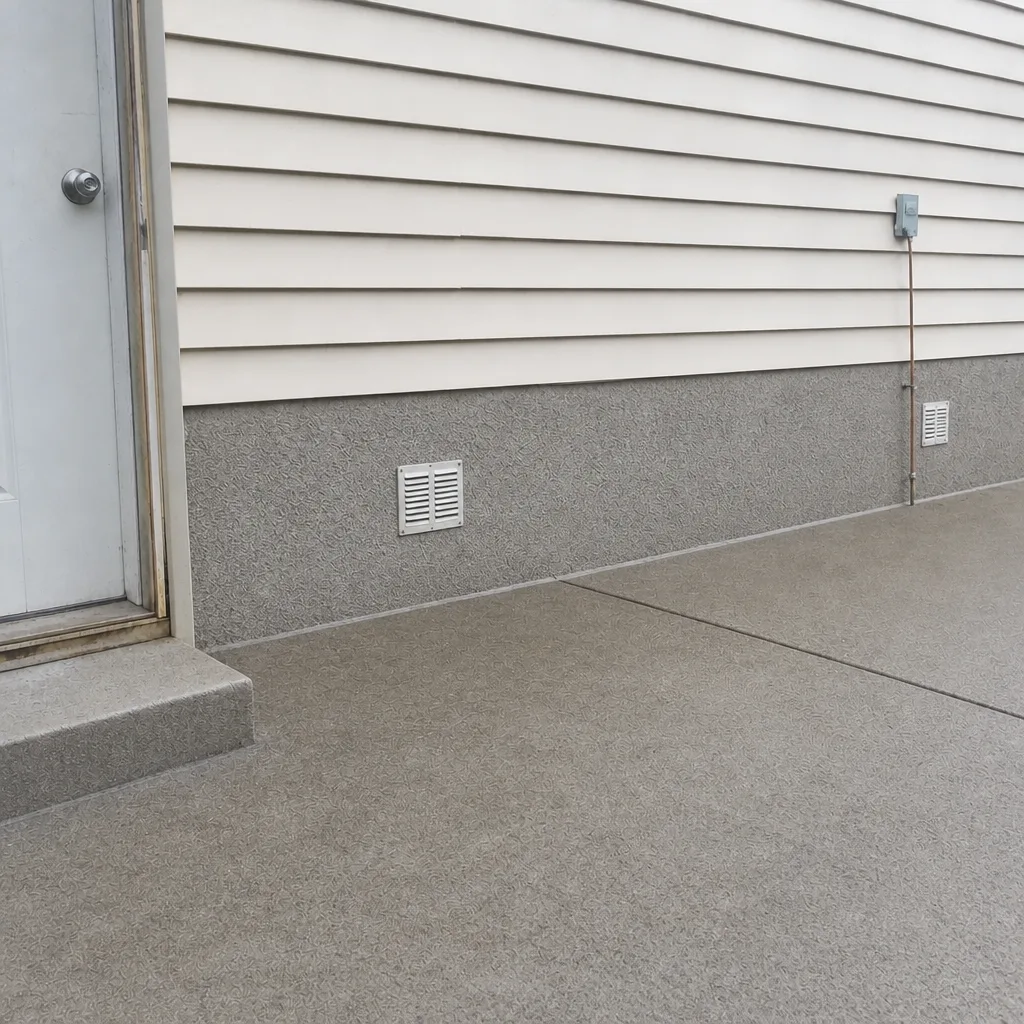
Treat dryer vent cleaning as a separate, dedicated item on the same schedule, because a clogged vent is a fire-risk issue rather than an air-quality one. Lint builds up steadily and isn’t visible from the outside. Include the dryer vent in your seasonal walkthrough and have it cleaned on its own interval, not as an afterthought on a duct visit. Call (855) 323-8125 to add it to your estimate.
The Bottom Line
Duct maintenance is mostly observation. Fifteen minutes a month at the registers, a photo record of the first 12 inches of each run, and a filter log that tracks loading rate will tell you more about your system’s health than any single cleaning can. Add the seasonal checks for Highland Creek’s pollen, humidity, and heating season, and document everything before a professional visit so you can measure the results. Clean and sealed is the goal, in that order. If your records show a problem, that’s the moment to act, not the moment after the smell has been around for months.
Call (855) 323-8125 for a free estimate. We answer 24/7. Fast dispatch from 7am to 7pm, Sunday through Friday.
Written by the team at Air Duct Cleaning Highland Creek.