
Last updated November 23, 2026
 Whole-home duct cleaning
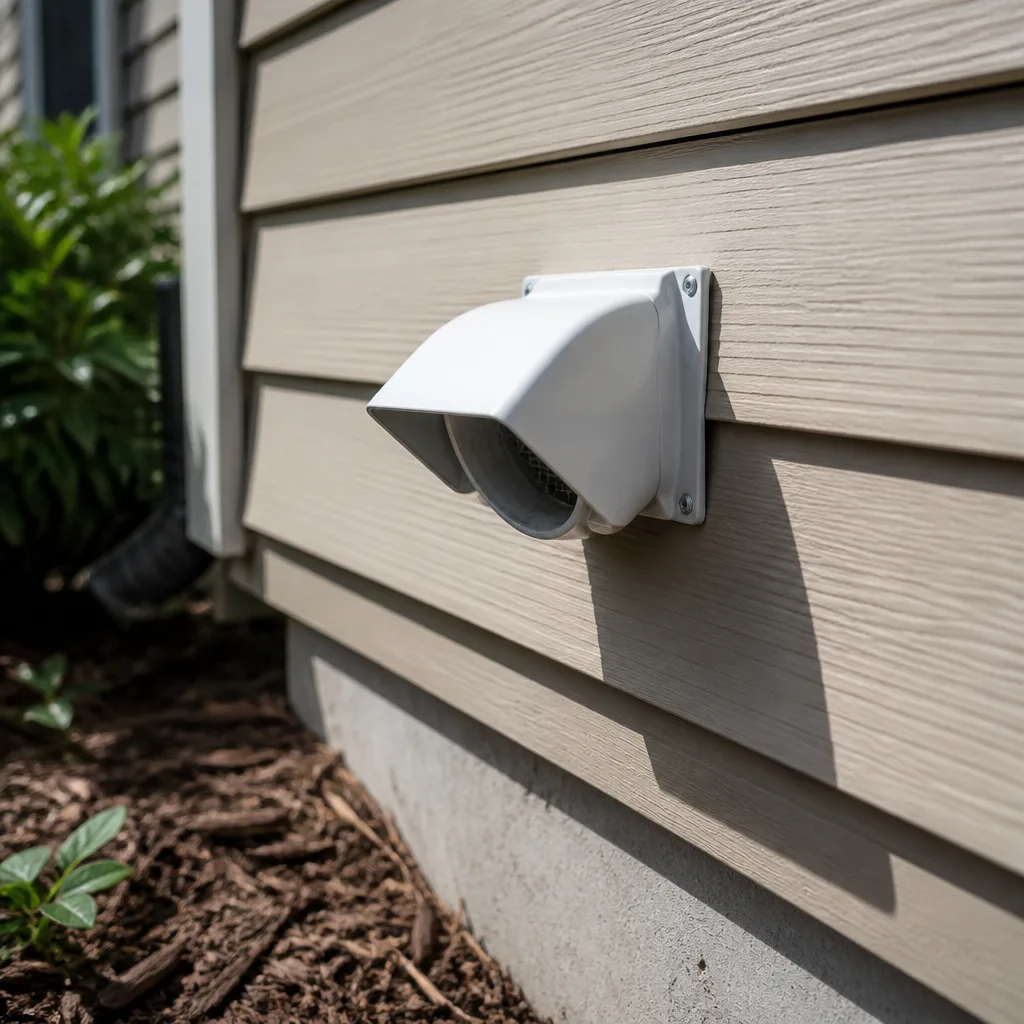 Dryer vent cleaning
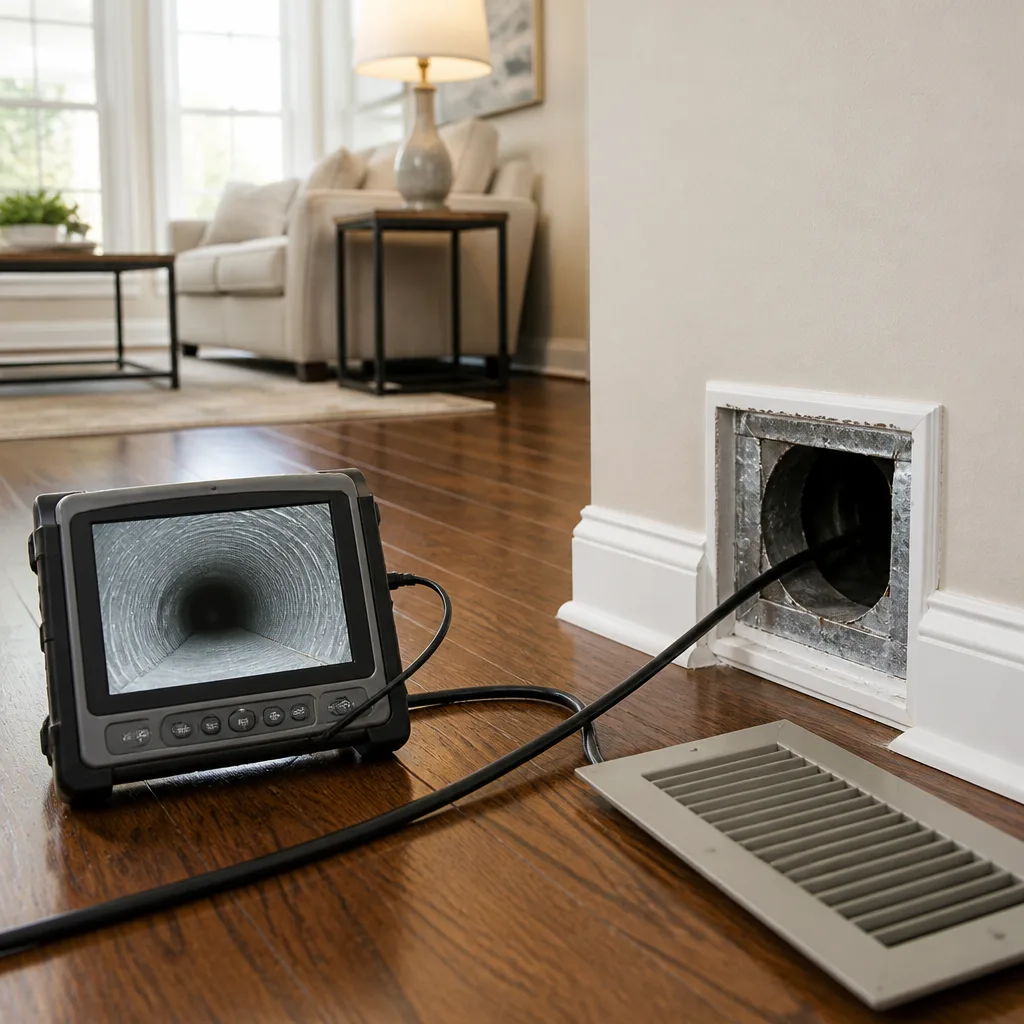 Camera inspection
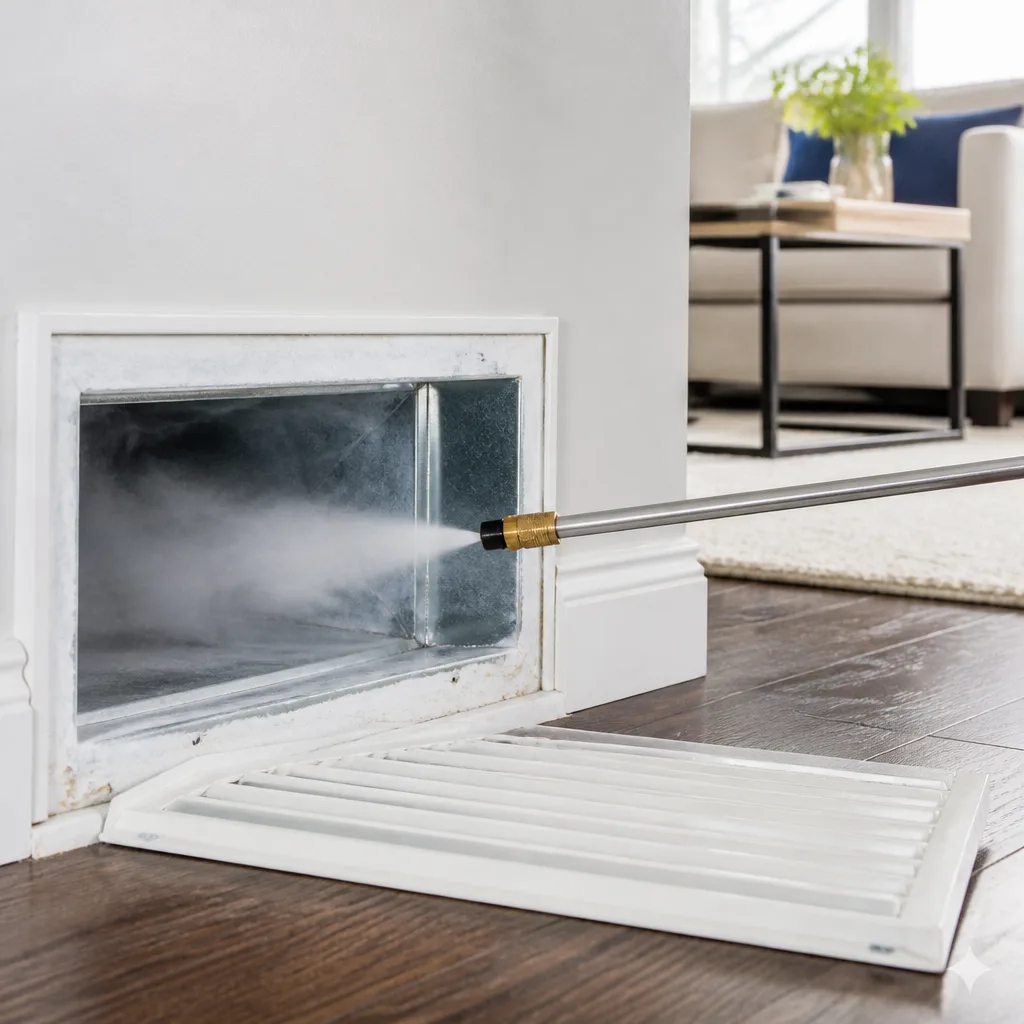 Sanitizing & deodorizing
Whole-system duct and dryer vent check with before-and-after photos - you see exactly what came out of your vents
That "$99 whole-house special" is a bait ad - the real number appears once they are in your hallway, or the "clean" is a shop-vac at the register. We photograph the inside of your ducts before and after instead.
Seasonal Air Duct Cleaning Care for Highland Creek: Year-Round Homeowner’s Guide
Most HVAC advice tells you to change your filter every 90 days. Highland Creek’s oak and pine pollen season can clog a MERV-11 filter in under three weeks, and what doesn’t get caught by the filter ends up coating the inside of your supply plenum. That single mismatch between generic advice and Piedmont reality is why so many Highland Creek homeowners clean their ducts at the wrong time of year, then wonder why dust and odor return within months. This guide maps the whole year into four distinct contamination risk windows driven by pollen load, humidity cycling, first-heat activation, and cold-weather infiltration. You’ll learn what actually stresses ductwork in each season, what to inspect and when, and how to build a 12-month maintenance calendar around your home instead of a manufacturer’s generic schedule.
Quick Answer
Air duct cleaning in Highland Creek works best when it’s timed to four seasonal stress windows rather than done once a year: spring pollen infiltration (March through May), summer humidity and biofilm growth (June through August), first-heat odor activation in October, and winter negative-pressure infiltration from December through February. A sealed, professionally cleaned system inspected at each of those windows stays cleaner longer than one cleaned on a fixed annual date. Cleaning alone without duct sealing typically loses effectiveness within months, so pair the two for a result that lasts.
Styles & brands we work with
- Whole-home duct cleaning
- Dryer vent cleaning
- Camera inspection
- Sanitizing & deodorizing
Table of Contents
- Why Highland Creek Needs a Seasonal Approach, Not a Once-a-Year Cleaning
- The Four Contamination Risk Windows in Highland Creek
- Spring (March to May): Managing Piedmont Pollen Infiltration
- Summer (June to August): Humidity, Biofilm, and Early Detection
- Fall (September to November): First-Heat Odor and Pre-Season Cleaning
- Winter (December to February): Negative Pressure and Infiltration
- Building Your Highland Creek 12-Month Maintenance Calendar
- Why Equipment Choice Changes the Outcome
Why Highland Creek Needs a Seasonal Approach, Not a Once-a-Year Cleaning
The generic advice to clean your ducts “once a year” assumes your home sees roughly the same airborne load month to month. In Highland Creek it doesn’t. Our climate runs hot, humid summers, a short shoulder season, and winters cold enough to keep the heat running for months. Each of those phases pushes a different kind of material into your ductwork, and the timing matters far more than the frequency.
Here’s the practical problem. A duct system cleaned in, say, early March is still clean going into pollen season but loaded with pollen by May. A system cleaned in October handles the heating season well but meets the following spring without a fresh start. Neither schedule is wrong; both miss the point. What you want is cleaning placed ahead of the heaviest loads, plus a sealing check so the system stops pulling new contamination in between cleanings.
We’ve seen this pattern repeatedly in Highland Creek homes. The houses that stay visibly cleaner through the year are the ones where the homeowner understood three things:
- Contamination arrives in waves, not at a steady rate. Spring pollen, summer humidity, and winter infiltration each deliver their own load.
- Leaky ducts recontaminate a clean system. If supply or return joints leak into an attic or crawl space, cleaned ducts pull dirty air back in within months.
- Odor is a signal, not a cosmetic issue. That “first heat” smell in October is usually the system baking off accumulated dust and biological material, not something a filter change fixes.
If you want the foundation for how cleaning actually works before reading the seasonal detail, our air duct cleaning overview covers the equipment and process. The rest of this guide assumes you understand the basics and want to know when and why to act.
The Four Contamination Risk Windows in Highland Creek
Every year in Highland Creek produces four distinct risk windows. Each stresses ductwork differently, and each has a different best response. Treat them as a cycle, not four unrelated events.
- Spring pollen window (March to May). Oak and pine pollen are the dominant loads. The system pulls pollen through return-air gaps and every open door and window. Filters load fast, and whatever bypasses the filter lands in the supply plenum.
- Summer humidity window (June to August). Sustained indoor humidity above roughly 70% creates conditions where condensation forms on cool duct surfaces, and that moisture feeds biofilm on duct liner and insulation.
- Fall first-heat window (September to November). When the furnace fires up for the first sustained heat of the season in October, the system heats months of accumulated dust, producing the strongest odor event of the year.
- Winter infiltration window (December to February). Tight, well-sealed Highland Creek homes develop negative pressure that pulls unconditioned air, and whatever’s in it, through penetrations and gaps into the duct system.
The value of this framework is timing. If you schedule cleaning and a sealing inspection just before each window opens, you enter that window with a clean, closed system. If you schedule reactively, after you notice the dust or the smell, you’re always working behind the problem.
Spring (March to May): Managing Piedmont Pollen Infiltration
Spring in Highland Creek is a pollen event, not a gentle season. Oak and pine release their pollen within a few weeks, and the volume is high enough that a MERV-11 filter can load to the point of airflow restriction in under three weeks. That’s the load your duct system is working against through the spring months.
Pollen enters the system two ways. The first is through the filter, which is doing its job, just not fast enough if it’s undersized or overdue for a change. The second is through gaps the filter can’t protect: return-air plenum gaps, loose duct joints, and the door-and-window cycling that comes with mild spring weather. An open window is an open invitation, and every time the system runs, it draws that pollen-laden air toward the returns.
What to inspect after peak pollen week:
- Change or check your filter. If it’s visibly grayed and matted within three to four weeks, it’s undersized for the load and worth discussing an upgrade.
- Look at return grilles. A thin gray film across the grille face is pollen and dust the system has pulled in; heavy accumulation suggests filtration isn’t keeping up.
- Check visible duct joints in accessible spaces for dust buildup at the seams, a sign of leakage pulling air.
- Watch for a persistent pollen-yellow film on registers and supply diffusers. That’s material that made it past the filter.
This is the window where a professional HVAC cleaning makes the most sense if you’re scheduling once. Cleaning at the end of pollen season, around late May, removes the load before summer humidity settles in on top of it.
Summer (June to August): Humidity, Biofilm, and Early Detection
Highland Creek summers run hot and humid, and indoor humidity above roughly 70% is the threshold where problems start. At that level, moisture condenses on cool duct surfaces, especially in unconditioned spaces like attics, and that persistent moisture creates the conditions for biofilm to form on duct liner and fibrous insulation. Biofilm is a living layer of microorganisms, and once it’s established on liner surfaces, cleaning removes it but doesn’t instantly undo months of growth.
The reason this matters is that biofilm and musty odors are the complaint that most often pushes a homeowner to call, and it’s usually discovered late, well into the season. Early detection is a matter of paying attention to signals:
- A musty smell after the system runs, especially in rooms you don’t use often, points to moisture somewhere in the path.
- Visible condensation or water staining near registers, plenum connections, or the air handler indicates a moisture problem that cleaning alone won’t solve.
- Increasing allergy-type symptoms indoors across the summer when they weren’t present in spring can track with biological growth on liner surfaces.
- Cooling performance that drops as humidity climbs can reflect restricted airflow from dust and biological loading on the evaporator side.
Detection is only half the response. Sanitizing treatments, including Guardsman-grade products applied professionally, help address microbial growth on treated surfaces. But the moisture source still has to be understood: an oversized humidity load, a drainage issue, or a leaky duct pulling humid attic air in. If the source remains, growth returns.
Fall (September to November): First-Heat Odor and Pre-Season Cleaning
There’s a specific odor many Highland Creek homeowners notice in October when they run the furnace for the first real heat of the season. It’s often described as a hot, dusty, slightly burnt smell. That’s the system heating months of accumulated dust and organic material. In our experience, first-heat activation is the single highest-odor event of the home’s year, and it’s almost always preventable with cleaning before the burners come on.
The mistake is treating that smell as normal and waiting for it to fade. It does fade, usually within a few heating cycles, but what caused it hasn’t gone anywhere. The material that produced the smell is now being circulated through your home during the season, and the system re-deposits some of it on registers and interior surfaces.
Pre-season cleaning in fall does two things:
- Removes the accumulated spring and summer load before heating season, so first-heat activation doesn’t bake it into the air.
- Gives you a chance to inspect and seal duct joints before heating season’s higher static pressures push air through the leaks at greater volume.
Fall is also the smart time to confirm the system’s physical condition before winter. A duct repair and sealing check in September or October catches gaps when they’re easy to address, not when they’re already leaking into a cold attic. It’s the same logic our air duct cleaning Highland Creek work is built around: clean and sealed beats clean and leaking every time.
Winter (December to February): Negative Pressure and Infiltration
Highland Creek homes tend to be built tight and sealed well against winter, which is good for heating efficiency but creates a different problem for ductwork. A tight home under a running furnace develops negative pressure: indoor air leaves through the exhaust, and the house replaces it wherever it can. If the duct system has penetrations, gaps, or unsealed joints in unconditioned space, that replacement air comes straight through them, bypassing the filter and carrying whatever is in the attic, crawl space, or wall cavity with it.
The mechanism is straightforward. The furnace pulls return air from the house, heats it, and pushes it out the supply side. The pressure balance inside the home shifts, and the envelope leaks. Sealed ducts wouldn’t move much; leaky ducts become a direct route for unconditioned, unfiltered air. In practice, this is why a home that got a full cleaning in October can show visible dust on registers by February. It’s not that the cleaning failed. It’s that the system kept pulling unfiltered air through its own leaks.
Winter is not usually the time for a full cleaning. It’s the time to know your ducts were sealed and clean going in. If you’re noticing dust, mustiness, or a persistent cold draft near registers through the winter, the answer is usually a sealing inspection, not another cleaning. Professional equipment, including negative-air containment from Abatement Technologies, matters here because source-removal cleaning in an occupied winter home has to control airflow rather than just dislodge material.
Building Your Highland Creek 12-Month Maintenance Calendar
The calendar that keeps a Highland Creek home’s ducts clean isn’t a fixed annual date. It’s a sequence built around the four risk windows, with a professional cleaning placed ahead of your heaviest loads and a sealing inspection placed before conditions that would exploit leaks. Here’s a workable structure, adapted to your home’s specifics.
- February: Check filters and confirm winter infiltration isn’t dumping dust on registers. If you saw a dust build-up through winter, the system needs a sealing inspection, not a cleaning.
- March: On the front edge of pollen season, verify filter condition and set a plan. If you’re considering professional cleaning this year, late May is a better target than March.
- May: Clean after peak pollen. This is the highest-value cleaning slot on the calendar in Highland Creek because it clears the spring load before summer humidity.
- June and July: Watch for summer moisture signals. If you smell mustiness or see condensation, schedule a sanitizing evaluation.
- September: Sealing inspection ahead of heating season. This is the window where undetected leaks in Highland Creek homes are most worth finding.
- October: Clean before first heat, if you didn’t clean in May, or if you saw heavy odor at first activation last year.
- November and December: Filter and register checks as the heating season settles in.
If your home has pets, runs a higher occupancy count, or has a family member with respiratory sensitivity, shift cleaning earlier in each window. If it’s a second home or low-occupancy property, the calendar can stay lighter, but sealing and inspection still matter because the systems and duct leakage don’t take the season off.
Why Equipment Choice Changes the Outcome
The seasonal structure matters only if the cleaning itself removes material instead of stirring it. That’s an equipment question, and it’s why we use professional-grade systems that most generalist crews don’t carry or know how to run.
Rotobrush rotary-brush extraction systems physically agitate and pull debris simultaneously, so the material comes out of the duct rather than being loosened into the air. Nikro cleaning units, standard in commercial and restoration work, handle the air volume and filtration that residential-scale vacuums can’t. Abatement Technologies negative-air equipment adds a containment layer, so source-removal cleaning in an occupied home controls airflow and keeps debris out of living space.
Equipment isn’t the whole answer. A cleaned system that isn’t sealed recontaminates. That’s why we pair cleaning with duct repair and sealing, and why we install and service Honeywell and Aprilaire air-quality products for homeowners who want to keep the system cleaner between cleanings. The kitchen-vent and laundry-vent side of the home gets attention too: dryer vent cleaning is a fire-risk reduction service, not an add-on afterthought, and it follows the same systematic approach as the HVAC side.
Our technicians have up to 11 years of experience, and the routine touch is one flat price per system agreed before work starts. It’s the answer to the bait-and-switch reputation that hangs over this trade: one price, agreed up front, with before-and-after photos of your own ductwork so you can see the result.
Common Mistakes to Avoid
- Cleaning on a fixed annual date without regard to season. In Highland Creek, cleaning in March means the loaded spring pollen sits in a freshly cleaned system by May. Timing to the risk windows matters more than frequency.
- Changing filters on a manufacturer’s schedule instead of your actual load. A MERV-11 filter can clog in under three weeks during peak oak and pine pollen. Inspect the filter, don’t just assume the calendar is right.
- Treating first-heat odor as normal. The October furnace smell is baked-off accumulated material, not just a seasonal quirk. Plan cleaning ahead of heating season and the smell usually doesn’t happen.
- Skipping the sealing inspection. Cleaned ducts without sealed joints recontaminate within months. If your last cleaning didn’t hold, the leaks are usually the reason.
- Assuming summer smell is cosmetic. Mustiness in a Highland Creek summer often tracks with humidity above roughly 70% and biofilm on liner surfaces. It’s worth evaluating, not just deodorizing.
- Ignoring winter dust as a cleaning failure. If dust returns through the winter, the problem is usually negative-pressure infiltration through unsealed duct penetrations, not a bad cleaning.
- Hiring on a per-vent price alone. Per-vent pricing is how cheap quotes stay cheap. A whole-system flat price agreed before work starts is what actually matches a cleaning that removes material.
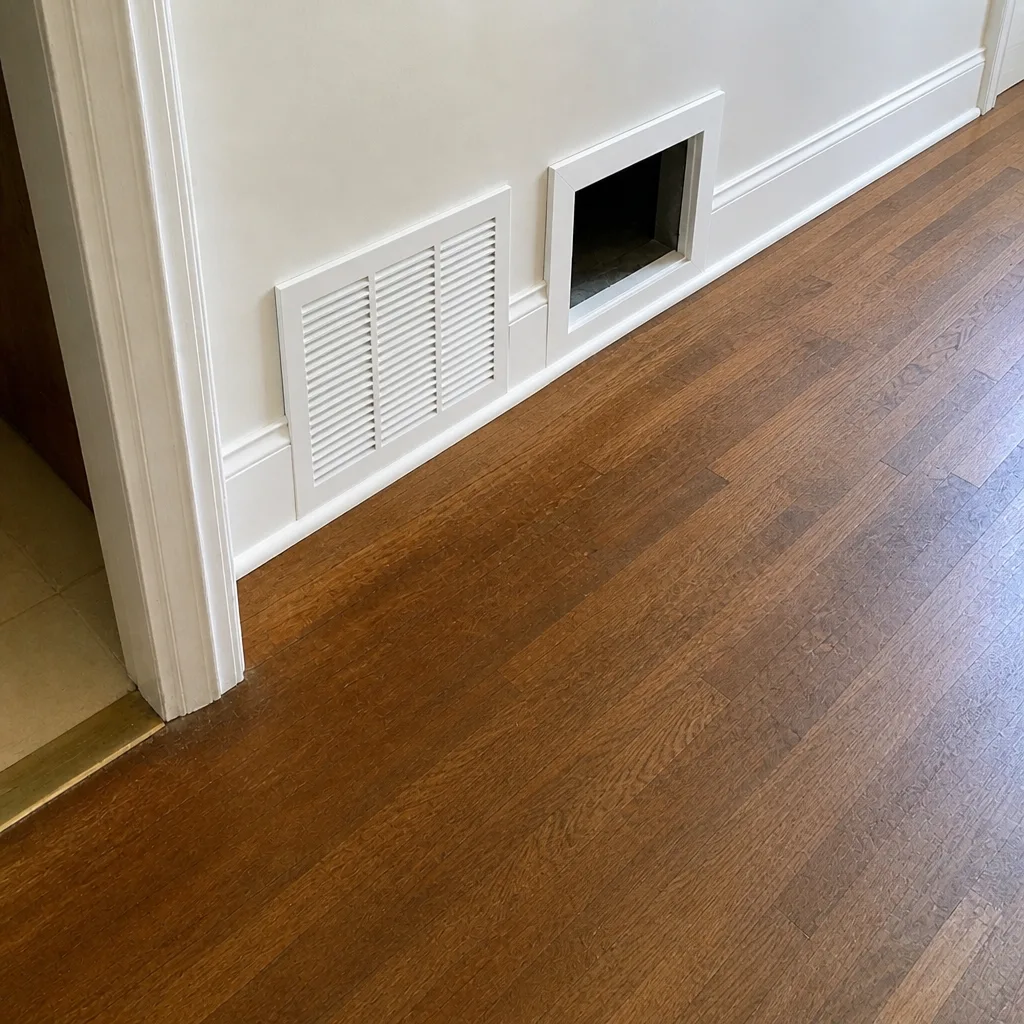
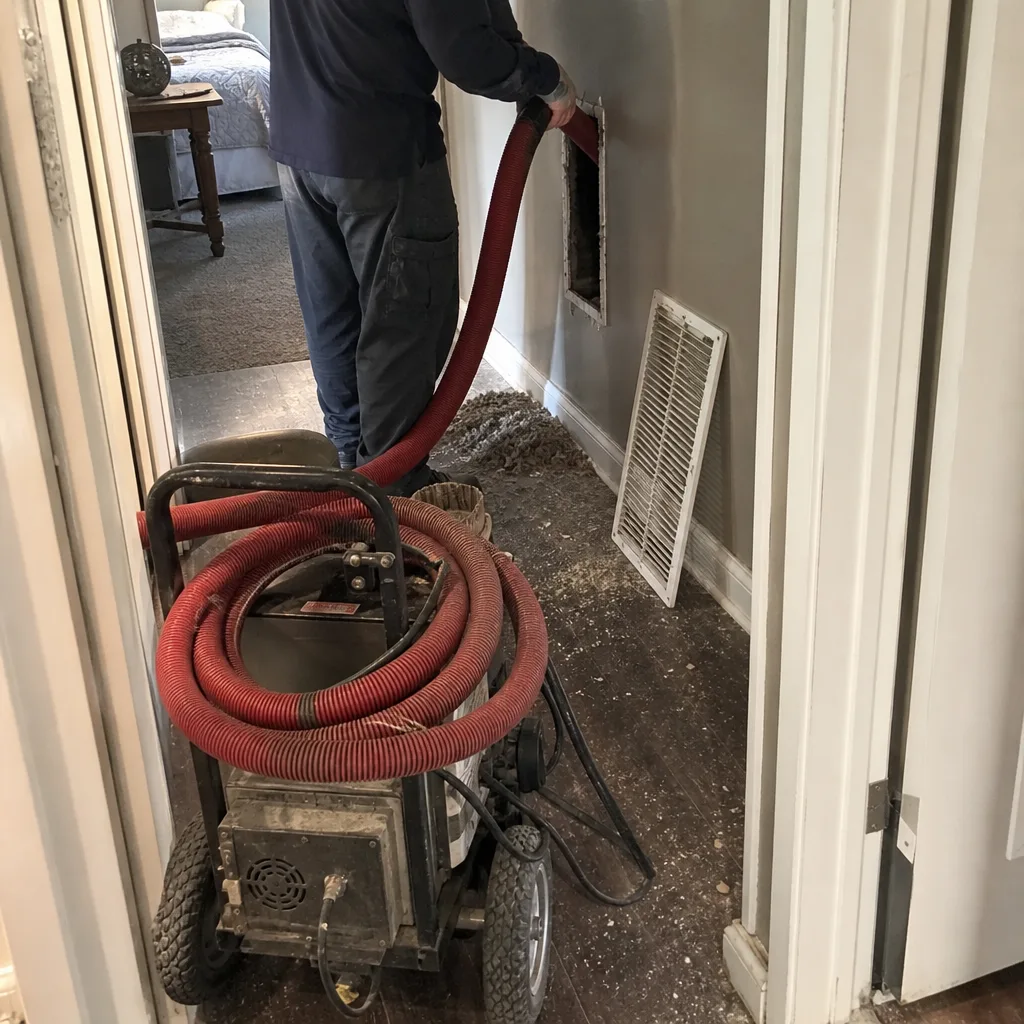
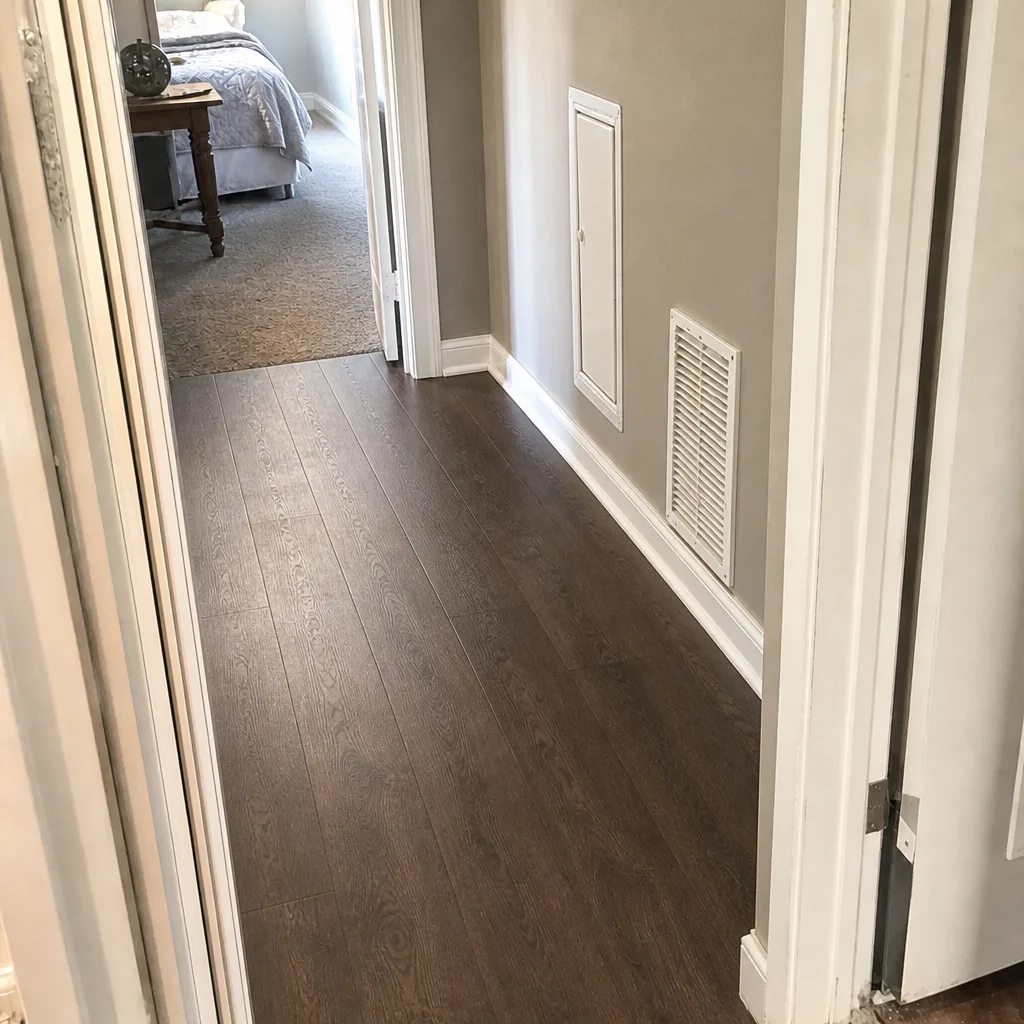
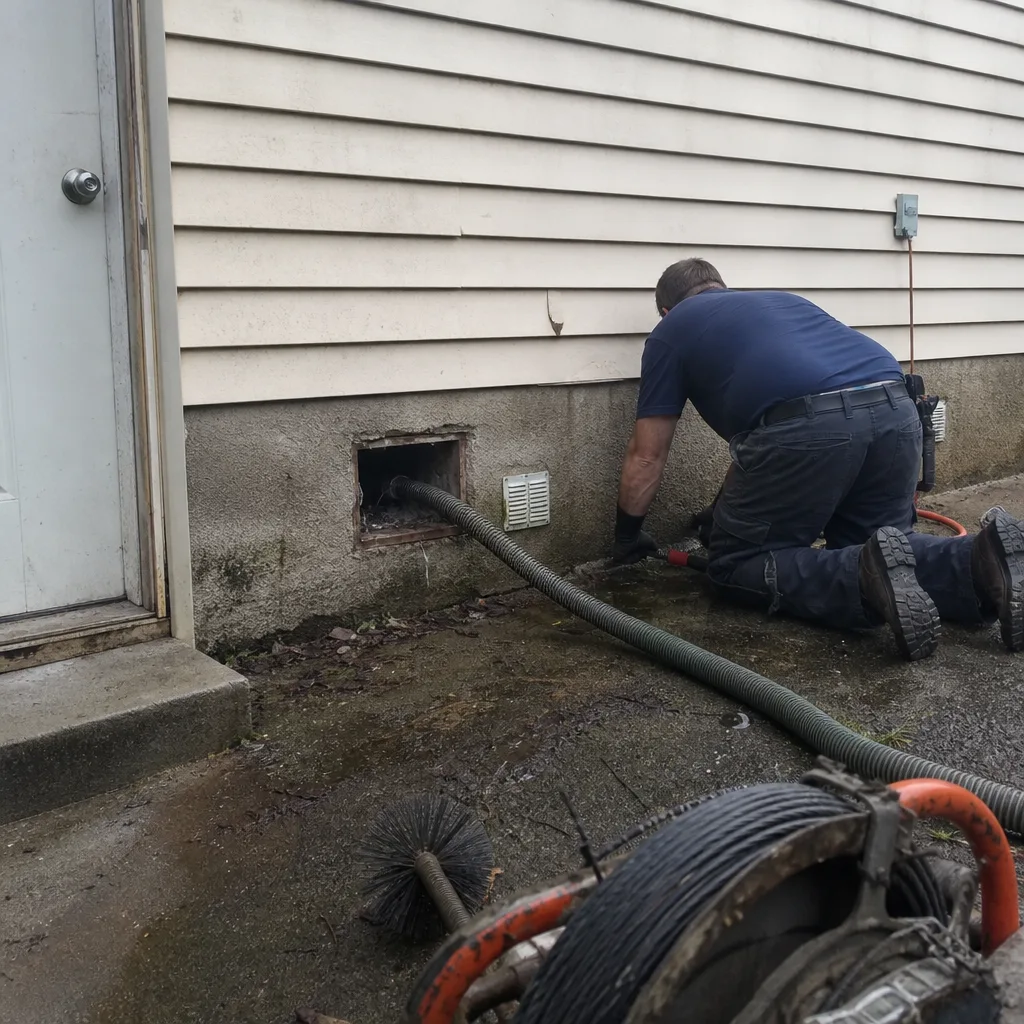
See the difference
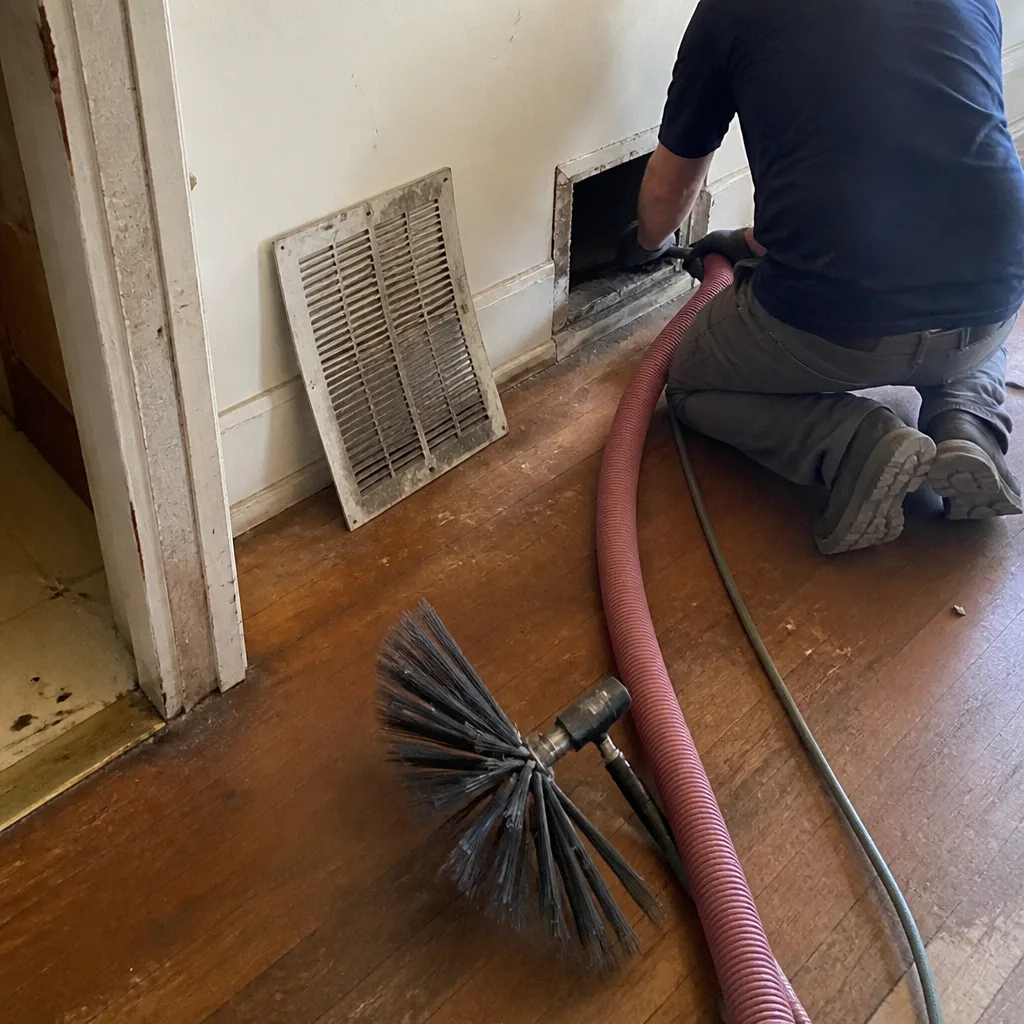 Before
 After
 Before
 After
 Before
 After
When to Call a Professional
A professional is the right call when the signals move past filter-and-register maintenance or when contamination has reached a level a homeowner can’t verify on their own. Consider calling if you notice persistent mustiness that returns after a filter change, visible dust build-up on registers within weeks of cleaning, allergy-type symptoms that worsen indoors across the summer, condensation or water staining near ductwork, or a first-heat odor that keeps coming back year after year. Winter dust that returns despite recent cleaning points to a sealing problem. Air Duct Cleaning Highland Creek offers free estimates in Highland Creek. Call (855) 323-8125. We answer 24/7. Fast dispatch from 7am to 7pm, Sunday through Friday.
Frequently Asked Questions
Most Highland Creek homes benefit from a professional cleaning once a year, timed to the spring pollen window or the fall pre-heating window rather than an arbitrary anniversary date. Homes with pets, high occupancy, or respiratory sensitivity may need attention at both windows, and every home should get a sealing inspection alongside cleaning. Cleaning frequency matters less than timing and sealing.
First-heat activation is the highest-odor event of the year in Highland Creek because the furnace heats months of accumulated dust, pollen, and biological material. The smell usually fades after a few heating cycles, but the material is still circulating. Cleaning before the heating season starts typically prevents the smell entirely. Call (855) 323-8125 for a free estimate.
Yes. When indoor humidity sits above roughly 70% through Highland Creek summers, condensation forms on cool duct surfaces and can support biofilm on duct liner and insulation. The early sign is usually a musty smell after the system runs, or visible moisture near registers and plenum connections. Sanitizing combined with fixing the underlying moisture source is the practical response.
Dust returning quickly almost always means unsealed duct joints are pulling unfiltered air into the system, not that the cleaning failed. This is especially common in winter, when negative pressure in tight Highland Creek homes pulls unconditioned air through duct penetrations. Duct repair and sealing paired with cleaning is what makes the result last.
Filter changes help, but they don’t remove what’s already inside the supply plenum, on duct liner, or at joints. During Highland Creek’s pollen season, even a well-chosen filter can load fast enough that material bypasses or lands beyond it. Professional cleaning removes accumulated material; polishing filters can’t reach it.
Whether debris was actually extracted versus dislodged and re-deposited. Ask for before-and-after photos of your own ductwork and a flat whole-system price agreed before work starts, so the invoice isn’t a surprise. Call (855) 323-8125 for an exact quote, and estimates are free.
The Bottom Line
Highland Creek’s climate doesn’t give you one good cleaning window, it gives you four risk windows, each with a different pressure on your ductwork. Spring pollen loads, summer humidity growth, fall first-heat odor, and winter negative-pressure infiltration are the four events to plan around, and a sealed, cleaned system entered into each window stays cleaner than one cleaned on a fixed date. Build your calendar around the windows, pair cleaning with sealing, and watch the filters and registers as your early signals. The result holds. If you want a home-specific plan, Air Duct Cleaning Highland Creek offers free estimates. Call (855) 323-8125. We answer 24/7. Fast dispatch from 7am to 7pm, Sunday through Friday.
Written by the team at Air Duct Cleaning Highland Creek.